
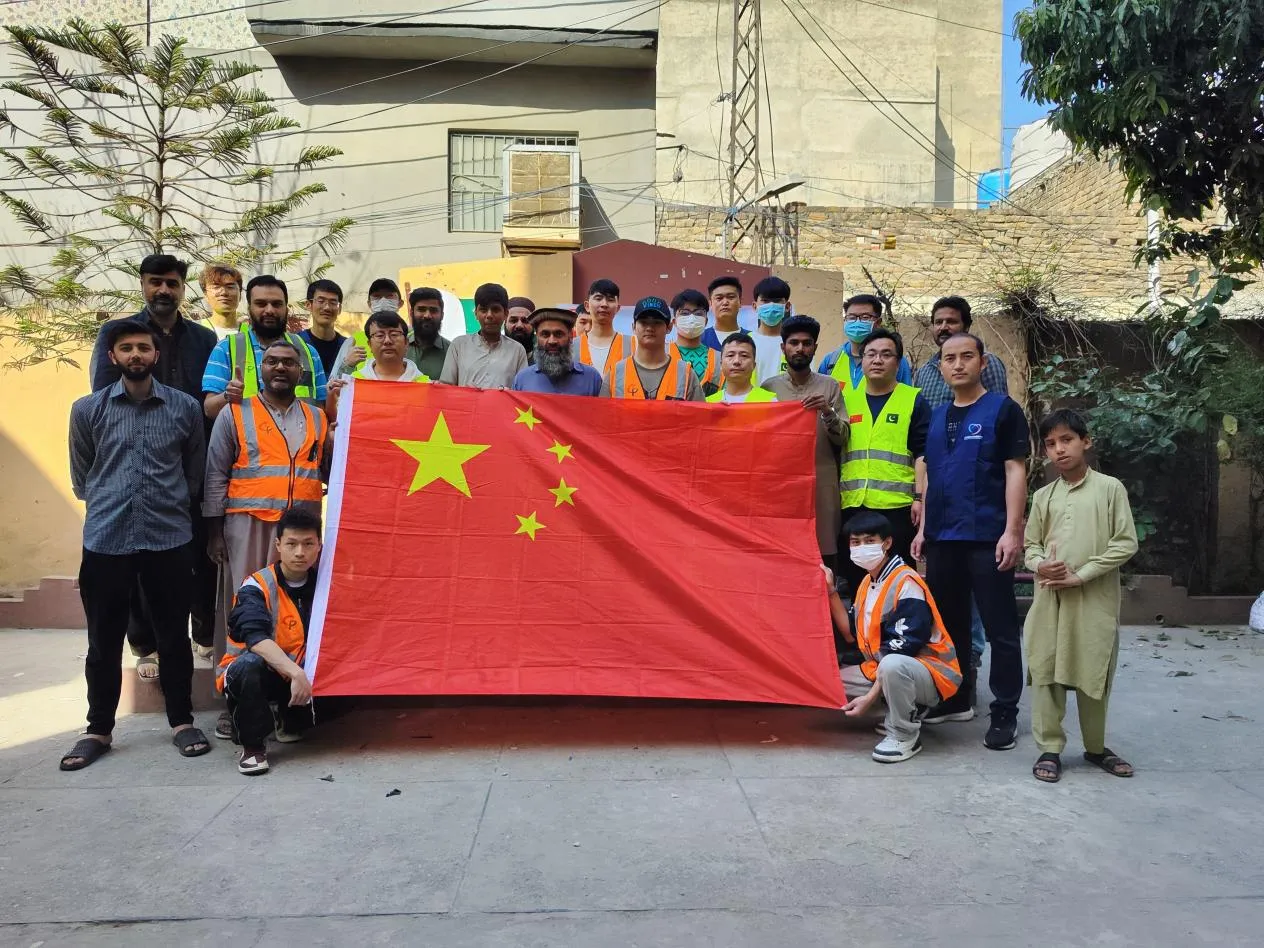
Cultural and educational cooperation between China and Pakistan has reached a new milestone in 2025 with the rapid expansion of youth exchange programs. These initiatives aim to deepen mutual understanding, strengthen soft diplomacy, and empower the next generation of leaders from both countries. Through scholarships, internships, and innovation camps, thousands of young participants are building bridges of collaboration that extend beyond politics and economics into shared knowledge, creativity, and cultural appreciation.
Youth Diplomacy as the Foundation of Friendship
China and Pakistan have long celebrated their “iron brotherhood,” but the focus is now shifting toward engaging youth as the true custodians of this relationship. According to CGTN, more than 20,000 students and young professionals from both nations have participated in bilateral exchange programs over the past five years. These include study tours, academic partnerships, and entrepreneurship incubators supported by the Pakistan-China Friendship Center and the All-China Youth Federation.
The goal is to promote people-centered diplomacy, a key principle in China’s Belt and Road Initiative. By facilitating youth interaction, both countries are cultivating leaders who can sustain cooperation in technology, climate action, media, and education in the decades ahead.
Educational Cooperation and Scholarship Programs
The education sector forms the backbone of youth collaboration. Dawn reports that the China Scholarship Council (CSC) has doubled its annual quota for Pakistani students, offering degrees in engineering, medicine, AI, and renewable energy. Simultaneously, Pakistan’s Higher Education Commission (HEC) has launched reciprocal fellowships for Chinese students in Islamic studies, South Asian history, and development economics.
Joint degree programs are also gaining momentum. Universities such as Peking University, Tsinghua, NUST, and COMSATS are operating dual-enrollment tracks that allow students to spend alternate semesters in both countries. This academic cooperation ensures exposure to diverse learning environments while strengthening research integration between institutions.
Technology and Innovation Camps
Beyond academics, China and Pakistan are nurturing innovation through youth entrepreneurship and technology training. SCMP highlights that Sino-Pak Innovation Bootcamps are being organized annually in Shenzhen and Islamabad, where students collaborate on projects in robotics, fintech, and climate-smart agriculture. Participants are mentored by industry experts and receive seed funding from venture partners under the Belt and Road Innovation Fund.
These programs are helping Pakistani startups access the Chinese market, while Chinese tech firms gain insight into South Asian consumer behavior. The resulting partnerships promote sustainable development through digital cooperation and shared innovation.
Cultural Exchanges and Language Learning
Language and culture play a vital role in building mutual respect and understanding. Xinhua reports that Confucius Institutes across Pakistan have witnessed a record rise in enrollment, with over 30,000 Pakistani students studying Mandarin in 2025. Similarly, Urdu language centers in Beijing and Xi’an are training Chinese students to better understand Pakistan’s literature, media, and social values.
Cultural festivals, art exhibitions, and youth film collaborations are further enriching these ties. The annual Pakistan–China Youth Cultural Week, hosted alternately in Islamabad and Chengdu, showcases music, traditional crafts, and digital art projects co-created by young artists from both nations. These exchanges are reinforcing a shared identity rooted in cultural appreciation and creative expression.
Youth in Policy and Climate Diplomacy
A growing number of exchange programs now focus on global challenges such as climate change, digital ethics, and sustainable development. The Diplomat notes that young delegates from both countries participated in the Youth Climate Leadership Dialogue 2025, where they presented joint proposals for clean energy collaboration and carbon reduction under CPEC’s green initiatives.
These activities underscore how people-to-people diplomacy extends beyond cultural understanding into practical policymaking. Many alumni of these programs have joined national ministries, research institutes, and NGOs, contributing to bilateral cooperation in real-world contexts.
Media, Communication, and Storytelling
The influence of digital media has also expanded youth engagement. Joint training programs between China Global Television Network (CGTN) and Pakistan Television (PTV) are equipping journalism students with skills in multimedia storytelling and international reporting. By collaborating on documentaries and short features, young journalists are helping shape a more nuanced narrative of China–Pakistan relations, one centered on collaboration rather than competition.
Social media campaigns under hashtags like #PakChinaYouthBridge and #FutureTogether2025 are gaining traction, amplifying youth-led success stories and innovative projects to a global audience.
Conclusion
The expansion of China–Pakistan youth programs in 2025 reflects a forward-looking approach to diplomacy, one built on knowledge exchange, empathy, and shared vision. By investing in education, technology, and cultural interaction, both nations are ensuring that their next generation carries forward the spirit of cooperation with renewed energy and creativity. These young ambassadors are not just participants in exchange programs; they are the architects of a new era of partnership defined by collaboration, innovation, and people-driven progress.

