
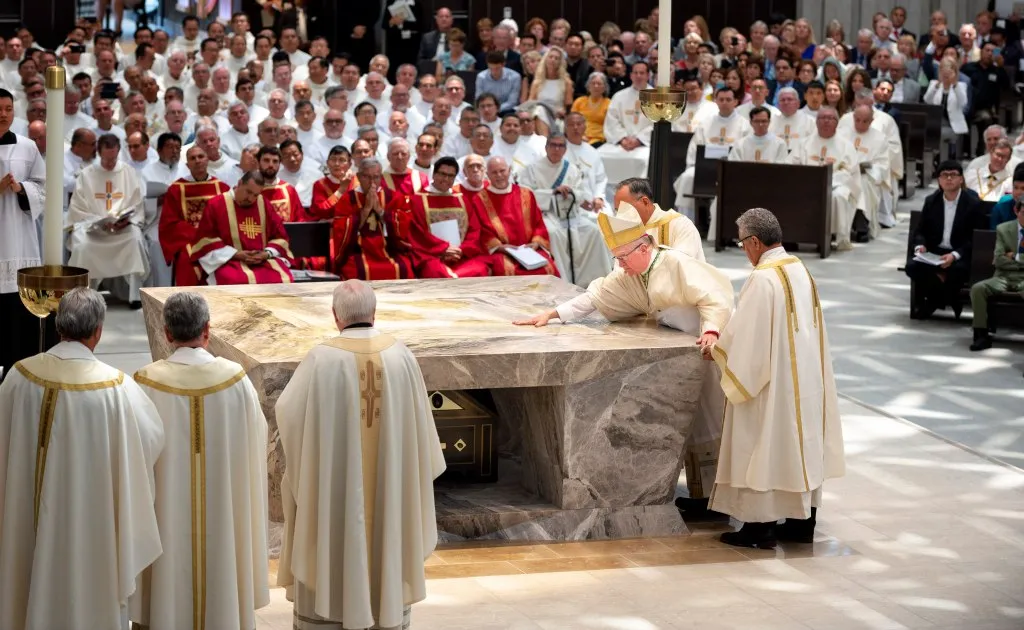
As China modernizes, spiritual life re-emerges in unexpected ways.
A Quiet Resurgence
For much of the twentieth century, religion in China was marginalized. Campaigns during the Mao era dismantled temples, closed churches, and discouraged spiritual practice. Yet in recent decades, as economic growth transformed society, many Chinese have turned back to faith in search of meaning, community, and guidance.
The revival is visible in temples crowded with worshippers, churches holding overflowing services, and online groups sharing scripture or Buddhist chants. While regulation remains strict, religious life has found new ways to thrive within the boundaries of modern China.
Temples Rebuilt and Crowded
Buddhism and Daoism have seen major revivals. Ancient temples once abandoned or destroyed have been rebuilt, often with local donations and tourism support. Cities like Hangzhou and Chengdu host temples filled with incense smoke, where young professionals line up to pray for career success, health, and love.
This revival is not only spiritual but cultural. Temples attract tourists, host festivals, and preserve heritage, blending devotion with local pride. For younger generations, temple visits often mix tradition with modern rituals, like posting photos of offerings on social media.
Christianity and Growth
Christianity, both Catholic and Protestant, has also grown significantly, particularly in urban areas. House churches and registered congregations attract professionals, students, and migrants seeking community in fast-changing cities. Worshippers find solace in messages of hope and belonging amid pressures of modern life.
Yet this growth is sensitive. Authorities monitor religious activity closely, insisting on alignment with state policies. Some groups face restrictions, but the persistence of Christian practice highlights its enduring appeal.
Islam and Ethnic Identity
In regions like Xinjiang and Ningxia, Islam plays a central role in cultural identity. Mosques remain community hubs, connecting worshippers through rituals and festivals. At the same time, religious practice in these regions is subject to intense scrutiny, reflecting broader tensions around ethnicity and governance.
The experience of Muslim communities underscores the complexity of China’s religious revival, where faith intersects with politics and identity.
Online Religion
Digital platforms have become new spaces for faith. Apps deliver daily scripture readings, WeChat groups organize prayer circles, and live-streamed temple ceremonies reach worshippers unable to travel.
This digital religion blurs the line between tradition and technology, allowing believers to integrate spirituality into modern lifestyles. For younger Chinese, it provides an accessible entry point into practices that once seemed distant.
Why the Revival Matters
Sociologists note that religion’s revival reflects deeper needs. Rapid urbanization, economic pressure, and social change have left many searching for stability. Faith offers moral guidance, community, and rituals of belonging. For some, it provides answers where consumerism and material success fall short.
At the same time, the revival raises questions about how the state manages diversity. Balancing religious freedom with control is an ongoing challenge for policymakers.
Conclusion: Faith in a Modern Nation
Religion in China is not returning to its pre-modern form, nor is it disappearing under modernization. Instead, it is adapting, reshaping itself to fit into contemporary society. Temples, churches, and mosques coexist with skyscrapers, smartphones, and social media.
The revival of faith highlights how spiritual life continues to matter in a nation often portrayed only in economic or political terms. Behind the headlines of growth and power, millions of Chinese are also searching for meaning, one prayer and one ritual at a time.

