
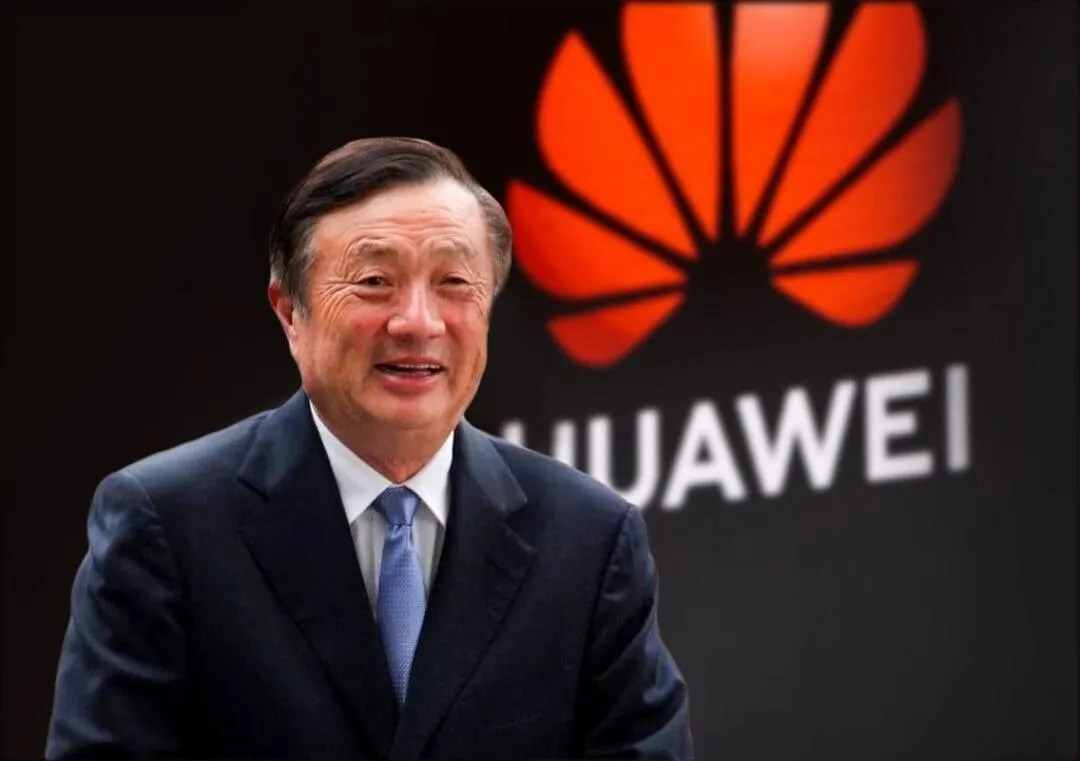
A military engineer turned entrepreneur who built Huawei into a symbol of both innovation and controversy.
Humble Beginnings
Ren Zhengfei was born in 1944 in Guizhou, one of China’s poorest provinces. Growing up during years of scarcity, he experienced hardship that shaped his determination. Trained as an engineer, he served in the People’s Liberation Army during the 1970s, working on infrastructure projects.
In 1987, with modest capital and little foreign exposure, Ren founded Huawei in Shenzhen. At first, the company sold simple telephone switches, but Ren’s vision extended beyond distribution. He wanted to create a global technology company that could rival the giants of the West.
Building Huawei
Under Ren’s leadership, Huawei embraced a strategy of relentless reinvestment in research and development. While many Chinese firms focused on imitation, Huawei poured resources into innovation, gradually improving its telecommunications equipment.
By the 2000s, Huawei had expanded internationally, securing contracts in Europe, Africa, and Asia. Its reputation for affordable yet reliable technology made it a competitor to Western firms like Ericsson and Nokia. By the 2010s, Huawei had become the world’s largest supplier of telecom equipment and a leading force in 5G technology.
Leadership Style
Ren is known for his disciplined and militarized management style, shaped by his PLA background. Employees describe a culture of hard work, long hours, and loyalty to the company’s mission. Huawei operates as a private company, but with a unique ownership structure that gives employees stakeholding while maintaining Ren’s central influence.
His leadership combined toughness with adaptability. He often spoke of surviving in a “wolf culture,” emphasizing resilience in competitive markets. This philosophy guided Huawei as it navigated challenges both commercial and political.
The Geopolitical Storm
Huawei’s rise coincided with growing geopolitical rivalry between China and the West. The company became a focal point in debates over cybersecurity and national security. The United States accused Huawei of being linked to Chinese state surveillance, pressuring allies to restrict its role in 5G networks.
Ren repeatedly denied such allegations, insisting Huawei is independent and committed to international standards. Despite his reassurances, sanctions imposed by Washington severely restricted Huawei’s access to advanced chips and technology. The company’s smartphone business declined, though its telecom infrastructure division remained resilient.
Global Expansion and Pushback
Ren positioned Huawei as not only a Chinese champion but a global player. The company invested in Africa, Latin America, and Southeast Asia, where infrastructure needs were high and Western firms were less present. For many governments, Huawei offered affordable technology to expand connectivity.
Yet in markets like Europe, Huawei’s participation sparked fierce debate. Some countries embraced Huawei equipment, while others imposed restrictions under U.S. pressure. The divided responses highlight how Huawei became a symbol of the global tech battlefield.
Ren’s Legacy
Ren Zhengfei’s story is not simply about business success but about resilience under pressure. He built Huawei from a small startup into a global powerhouse, navigating both market competition and political headwinds. His leadership embodies the intertwining of technology, entrepreneurship, and geopolitics in modern China.
Even as sanctions bite, Ren continues to emphasize long-term investment in research, hoping to ensure Huawei remains a leader in next-generation technologies such as cloud computing and artificial intelligence.
Conclusion: Entrepreneur in the Crossfire
Ren Zhengfei is a figure who cannot be separated from the contradictions of China’s rise. He represents innovation and ambition but also the suspicion and rivalry that define today’s global tech landscape.
Ren’s profile highlights the complexity of leadership in an era where business success is inseparable from geopolitics. His life is a reminder that building technology in the twenty-first century means navigating not only markets but also the storms of international rivalry.

