
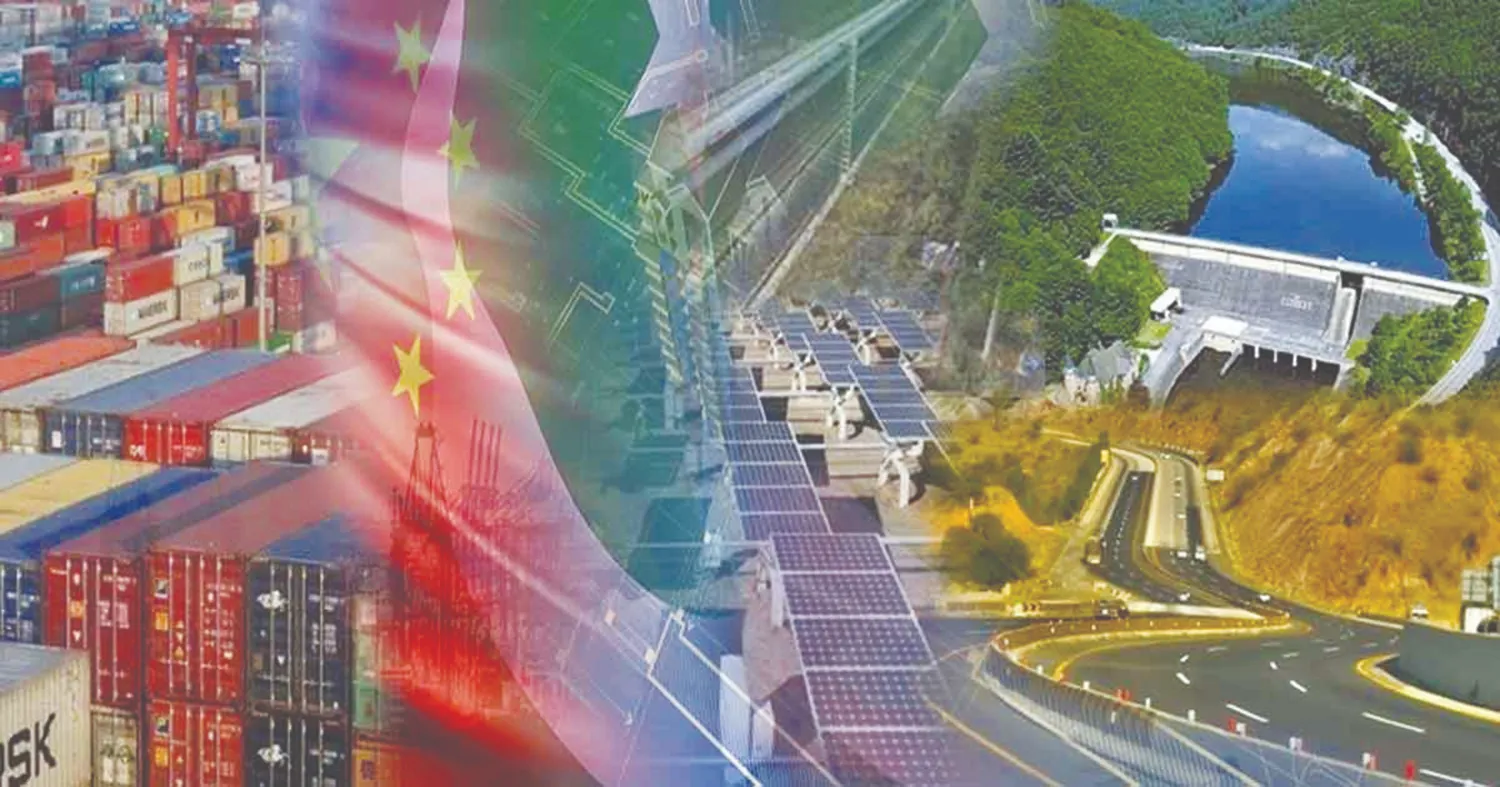
The China-Pakistan Economic Corridor (CPEC) is a transformative initiative that links industrial, trade, and logistics hubs across Pakistan. A critical component of this development is renewable energy infrastructure, which supports industrial zones, enhances energy security, and reduces environmental impact. Solar, wind, and hydroelectric projects along CPEC corridors provide reliable power for manufacturing, transportation, and port operations. By integrating renewable energy with industrial modernization, Pakistan and China are promoting sustainable growth, efficient logistics, and long-term economic resilience.
Renewable Energy Projects Along CPEC
CPEC has facilitated the development of large-scale renewable energy projects in key industrial and logistics hubs. Wind farms in Sindh, solar parks in Punjab, and hydroelectric plants in Khyber Pakhtunkhwa contribute significantly to regional energy supply. These projects provide stable electricity to industrial clusters, reducing dependency on fossil fuels and mitigating energy shortages. Integration with industrial SEZs ensures that factories, logistics terminals, and processing facilities operate without disruption, supporting trade and industrial productivity.
Solar Energy and Industrial Efficiency
Solar energy projects along CPEC corridors are designed to supply power directly to industrial and logistics hubs. Photovoltaic panels installed in SEZs and port areas reduce operational costs and enhance energy reliability. By adopting smart grid technology, energy distribution is optimized, and surplus energy can be redirected to nearby communities. Solar infrastructure not only supports industrial growth but also aligns with environmental sustainability objectives, reducing carbon emissions and promoting clean energy adoption in line with international standards.
Wind Energy for Manufacturing Hubs
Wind energy contributes to powering industrial operations in regions such as Jhimpir and Gharo. Turbines integrated with digital monitoring systems provide consistent electricity for factories and transport hubs. Automated energy management systems predict energy demand and balance supply from multiple sources, ensuring uninterrupted industrial processes. Wind power projects reduce reliance on diesel generators, lower operational costs, and improve the environmental footprint of industrial zones, supporting long-term economic and ecological sustainability.
Hydroelectric Integration for Logistics Corridors
Hydroelectric plants along rivers near industrial and port zones enhance energy reliability for logistics operations. These plants provide a continuous, renewable source of electricity, supporting port terminals, warehouses, and intermodal transport systems. Hydropower integration improves operational efficiency by reducing energy volatility, ensuring smooth cargo handling, and facilitating timely delivery of goods. Combined with solar and wind energy, hydroelectricity forms a diversified energy mix that strengthens industrial and trade resilience along CPEC corridors.
Technological Innovations and Smart Grids
Modern renewable energy projects incorporate technological innovations, including smart grids, IoT monitoring, and AI-based predictive energy management. Smart grids allow for dynamic distribution of electricity, responding to fluctuations in industrial demand. Sensors track energy consumption and system performance in real time, enabling predictive maintenance and reducing downtime. These technologies enhance efficiency, improve reliability, and create a sustainable energy ecosystem that supports industrial modernization along CPEC.
Energy Security and Industrial Growth
Reliable renewable energy infrastructure enhances industrial growth by ensuring continuous operations and reducing energy-related disruptions. Stable electricity supply enables factories to operate at full capacity, supports advanced manufacturing processes, and facilitates seamless logistics along CPEC corridors. Energy security also attracts foreign investment, as industrial zones can guarantee uninterrupted power for high-tech operations and trade hubs, strengthening Pakistan’s position as a regional industrial and logistics leader.
Environmental and Economic Benefits
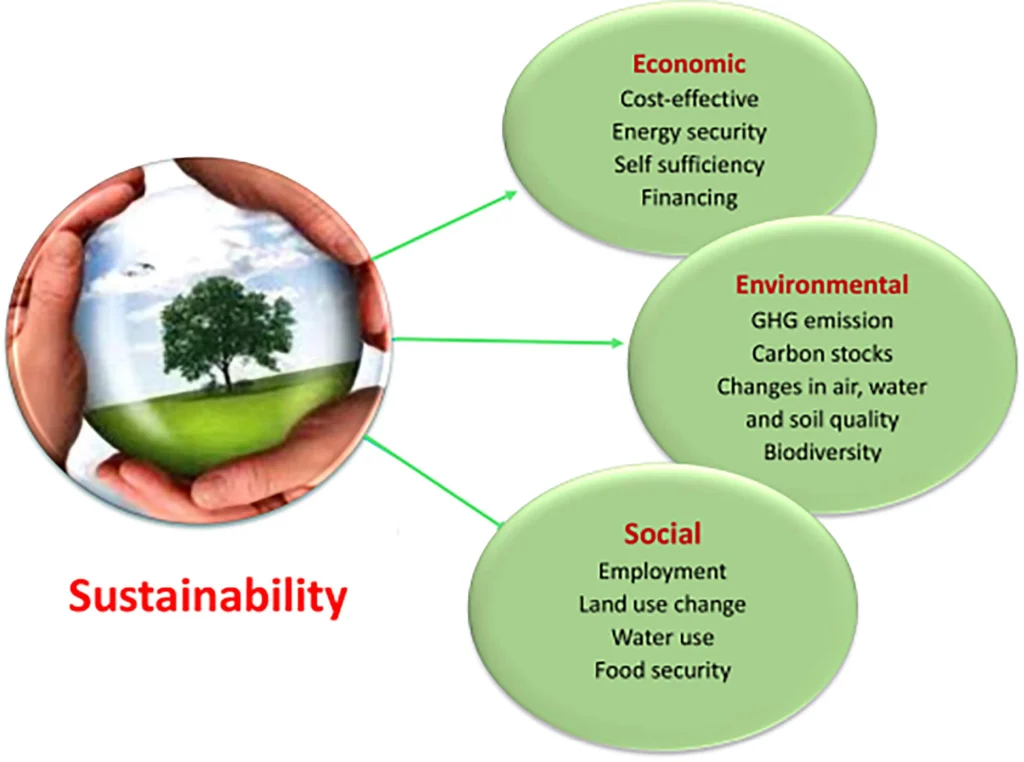
Renewable energy projects contribute to environmental sustainability by lowering greenhouse gas emissions and reducing reliance on fossil fuels. Cleaner energy supports compliance with international environmental standards, enhances corporate responsibility, and strengthens global trade competitiveness. Economically, reduced energy costs improve industrial efficiency, increase profitability, and enable reinvestment in infrastructure, workforce development, and technological upgrades, reinforcing long-term industrial modernization goals.
Policy Support and Collaboration
Government policies play a critical role in the deployment of renewable energy along CPEC corridors. Incentives for private investment, streamlined regulatory approvals, and coordination with Chinese partners facilitate project implementation. Policies also promote integration with industrial zones, ensuring that energy infrastructure meets the specific needs of factories, logistics hubs, and ports. Collaboration with Chinese firms brings technical expertise, funding, and innovative solutions, ensuring efficient, reliable, and technologically advanced energy systems.
Challenges and Risk Mitigation
Despite progress, challenges exist in renewable energy deployment, including high initial capital costs, grid integration issues, and maintenance requirements. Mitigation strategies include phased project implementation, integration of multiple energy sources, and workforce training for technical management. Digital monitoring and predictive maintenance reduce operational risks, while policy frameworks ensure sustainable and scalable deployment. Effective planning and collaboration ensure that renewable energy projects support industrial modernization without disruptions.
Future Outlook
The future of renewable energy along CPEC corridors is promising. Integration of AI-driven energy management, energy storage solutions, and advanced grid technologies will further improve efficiency and reliability. Expansion of solar, wind, and hydroelectric projects will enhance energy security for industrial and logistics hubs. Sustainable energy adoption supports industrial modernization, trade facilitation, and environmental compliance, making CPEC corridors models of efficient and green industrial development.
Conclusion
Renewable energy infrastructure is a vital component of CPEC’s industrial modernization agenda. Solar, wind, and hydroelectric projects provide stable, sustainable power for manufacturing, logistics, and port operations, supporting trade efficiency and economic growth. Technological innovations, smart grids, and energy management systems enhance operational reliability and environmental sustainability. With government support, Chinese collaboration, and workforce development, renewable energy along CPEC corridors ensures industrial zones operate efficiently, sustainably, and competitively. As Pakistan continues to modernize its industrial and logistics hubs, renewable energy will remain central to achieving long-term economic and environmental objectives.

