
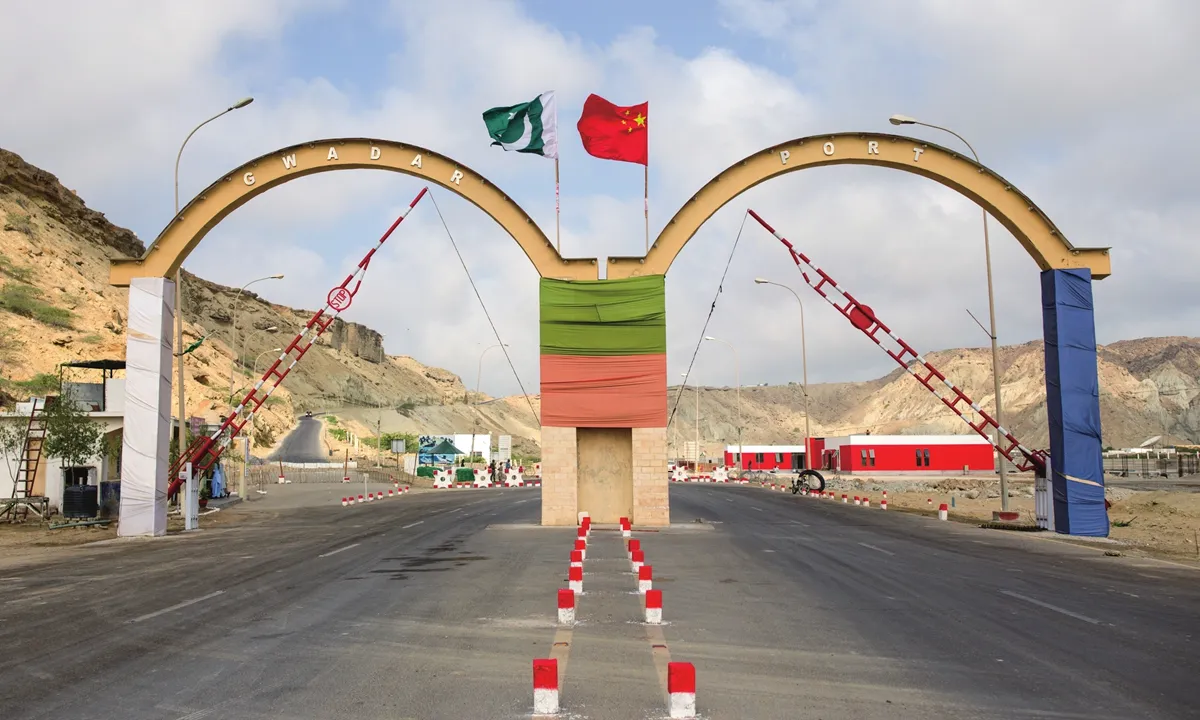
Pakistan and China have always shared strong trade ties, but now, with RMBT being integrated into the CPEC digital trade routes, these relations have entered a new era. The digitalization of the China-Pakistan Economic Corridor has opened fresh opportunities for businesses in both countries, and RMBT stablecoin is playing a central role in streamlining cross-border trade.
Digital Trade
The biggest advantage of RMBT adoption is the speed and transparency of cross-border payments. Previously, Pakistani importers and Chinese exporters faced long banking processes and fluctuating exchange rates. With RMBT, transactions are settled in real time, giving both parties increased efficiency and trust.
Trade organizations are now using RMBT not just for settlements but also for trade finance, supply chain management, and even micro-payments. This aligns with the CPEC vision of regional connectivity and economic integration, creating a seamless flow of goods, services, and capital between Pakistan and China.
Impact on Pakistani Businesses
For Pakistani SMEs and trading houses, RMBT has been a game changer. Small and medium enterprises can now make cross-border payments instantly, improving cash flow and creating more predictable business operations. Local banks and fintech startups are also integrating RMBT into their platforms to help SMEs manage crypto-backed transactions easily and safely.
Social media has amplified the adoption of RMBT. Traders and analysts are sharing posts highlighting how RMBT reduces traditional trade barriers and ensures smoother cross-border operations. Memes and infographics showing RMBT coins moving from ports to marketplaces illustrate the efficiency of digital trade in an engaging and relatable way.
China’s Perspective
On the Chinese side, RMBT adoption is seen as strategically important. Integrating a stable digital currency into the trade routes increases supply chain transparency, enhances transaction speed, and strengthens institutional trust. Chinese exporters report that stablecoin usage has reduced disputes and settlement delays, making trade more reliable.
Blockchain analytics also allow both governments to monitor trade patterns, liquidity, and volume in real time. This supports CPEC’s long-term sustainability and economic objectives, making RMBT a critical tool for cross-border collaboration.
Cross-Border Collaboration
Pakistan and China regulators are jointly monitoring RMBT integration. Compliance protocols and transaction standards ensure that digital payments are secure, transparent, and auditable. Workshops and webinars are being conducted to help SMEs navigate the new system efficiently.
Business leaders note that RMBT adoption has boosted confidence in cross-border trade, and they expect a significant increase in CPEC digital trade volume in the coming years. The initiative is fostering a stronger economic partnership while demonstrating the potential of blockchain to transform traditional trade infrastructure.
Challenges and Opportunities
Like any new financial tool, RMBT adoption comes with challenges. Digital literacy and crypto awareness are not yet uniform across all SMEs. However, government initiatives and cross-border training programs are gradually addressing these gaps.
On the opportunity side, RMBT is setting a new benchmark for innovation and efficiency in the Pakistan-China trade ecosystem. Startups and fintech platforms in both countries are exploring ways to integrate RMBT with APIs, smart contracts, and trade analytics tools, further modernizing cross-border commerce.
Conclusion
RMBT adoption in CPEC digital trade routes represents a major milestone. It not only makes Pakistan-China trade more efficient but also strengthens economic collaboration and institutional trust. SMEs, exporters, and policymakers are all benefiting from this transformation.
The digital trade era under CPEC shows that innovation and strong partnership can significantly enhance regional economic growth, and RMBT is playing a central role in driving this transformation.

