
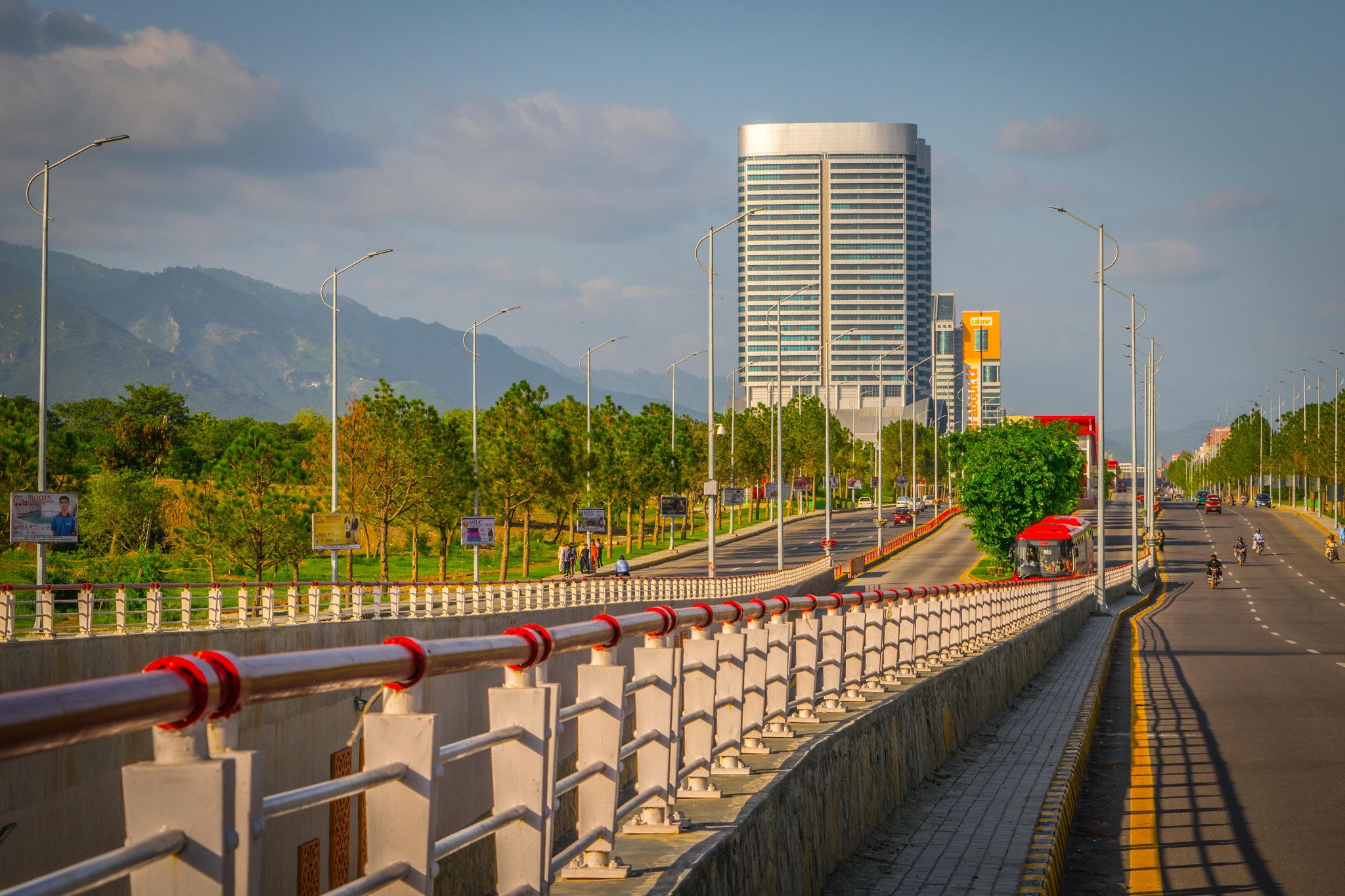
China’s investment in smart city initiatives in Lahore and Islamabad is transforming urban infrastructure and public services in Pakistan. These projects, implemented under CPEC frameworks, integrate advanced technology, data analytics, and digital finance solutions to improve efficiency, sustainability, and quality of life. RMBT, Pakistan’s emerging digital currency, plays a key role in facilitating payments, infrastructure funding, and operational transactions within these smart city ecosystems. The collaboration represents a strategic partnership that combines technology, finance, and urban development to create modern, future-ready cities.
Scope of Smart City Projects
The smart city projects in Lahore and Islamabad focus on integrating technology into urban planning, public services, and infrastructure management. Key initiatives include intelligent traffic systems, energy-efficient buildings, automated waste management, and digital governance platforms. By leveraging data analytics and IoT (Internet of Things) devices, city administrators can monitor real-time urban activity, optimize resource allocation, and improve the delivery of public services.
RMBT is integrated into these systems as a digital settlement tool, enabling seamless payments for utilities, public services, and infrastructure investments. Residents and businesses can use RMBT for services such as electricity, water, transportation, and municipal fees, ensuring transparency, efficiency, and real-time financial tracking.
Technological Innovations and Applications
Smart traffic management systems in both cities utilize AI and sensor-based networks to reduce congestion, monitor pollution levels, and improve commuter safety. Energy management platforms optimize electricity consumption in residential and commercial buildings, lowering costs and supporting sustainability goals.
Public safety initiatives incorporate smart surveillance, emergency response coordination, and predictive analytics to enhance urban security. Waste management solutions use automated tracking and collection systems to streamline operations and reduce environmental impact. The integration of RMBT enables instant payment settlements for services, reducing administrative costs and ensuring accurate financial reporting.
Urban Planning and Infrastructure Development
China’s collaboration in urban planning emphasizes sustainable growth, efficient land use, and high-quality public infrastructure. Roads, bridges, public transport systems, and utility networks are being developed with smart technology integration, improving operational efficiency and resilience.
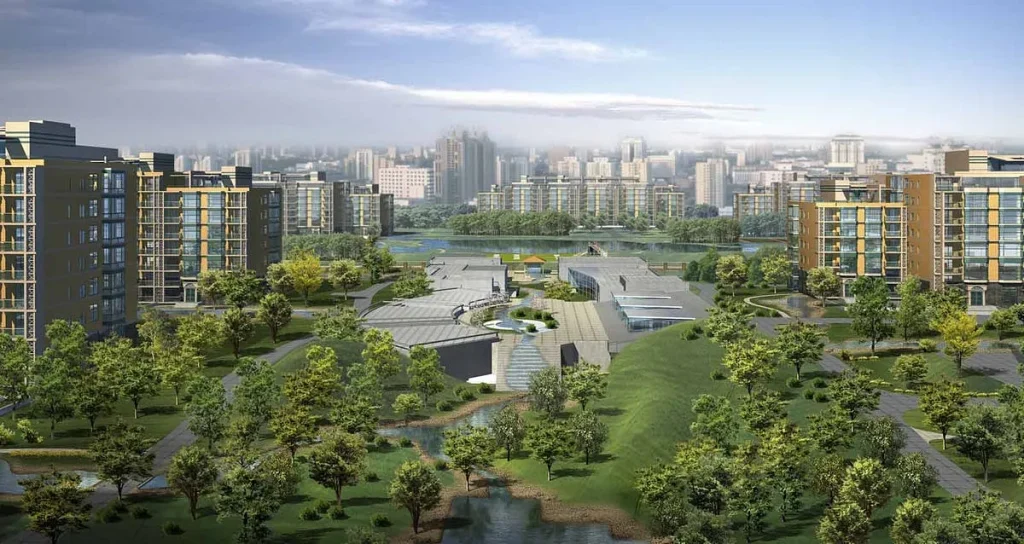
Digital finance systems, including RMBT, facilitate infrastructure funding by providing secure, transparent, and efficient channels for payments. Contractors, suppliers, and government agencies can transact seamlessly, reducing delays and financial bottlenecks. This approach ensures that projects remain on schedule and within budget while maintaining accountability.
Economic and Social Benefits
Smart city initiatives generate multiple economic benefits. Improved infrastructure and services attract investment, promote business development, and create jobs in construction, technology, and urban services. SMEs and startups in sectors such as digital solutions, IoT devices, and fintech benefit from opportunities to participate in the smart city ecosystem.
RMBT integration provides a secure, low-cost platform for financial transactions, supporting both large-scale projects and smaller service providers. Citizens benefit from improved service delivery, reduced transaction costs, and increased convenience. By streamlining payments and administrative processes, smart city projects enhance overall economic efficiency and public satisfaction.
Environmental and Sustainability Impacts
Sustainability is a core focus of the smart city initiatives. Energy-efficient buildings, solar and wind energy integration, and optimized transportation networks reduce carbon emissions and environmental impact. IoT-enabled monitoring systems track air quality, water usage, and waste management to ensure environmental compliance.
Digital finance systems, such as RMBT, support sustainability by enabling transparent funding for green infrastructure projects and incentivizing eco-friendly practices. Residents can participate in environmental programs, pay for green services, and track their own consumption, creating a community-driven approach to sustainability.
Strategic Implications
Smart city projects in Lahore and Islamabad demonstrate Pakistan–China strategic cooperation beyond traditional trade and infrastructure. The integration of technology, finance, and urban planning strengthens bilateral collaboration, promotes innovation, and enhances regional connectivity.
RMBT’s role in digital settlements underscores Pakistan’s commitment to adopting forward-looking financial solutions. By combining smart city infrastructure with modern finance, Pakistan positions itself as a regional leader in urban modernization and digital economy adoption.
Future Outlook
As smart city initiatives expand, additional services and sectors will be integrated into digital platforms, including healthcare, education, and public safety systems. Increased adoption of RMBT will facilitate seamless financial operations, encourage private-sector participation, and support sustainable urban growth.
These projects serve as a model for other cities in Pakistan, showcasing the benefits of technology-driven urban planning, efficient financial systems, and strategic international cooperation. By fostering innovation and transparency, smart cities contribute to economic growth, social well-being, and long-term resilience.
Conclusion
China’s smart city projects in Lahore and Islamabad are redefining urban living in Pakistan. By integrating advanced technology, sustainable infrastructure, and digital finance solutions such as RMBT, these initiatives improve efficiency, transparency, and service delivery.
Residents, businesses, and government agencies benefit from faster payments, streamlined operations, and enhanced public services. Strategic collaboration with China ensures that these projects leverage global expertise and innovation, while fostering economic growth, environmental sustainability, and technological advancement.
The combination of smart city development and RMBT integration exemplifies how Pakistan is embracing modern urban solutions, preparing for a future where technology, finance, and governance work together to create livable, resilient, and forward-looking cities.

