
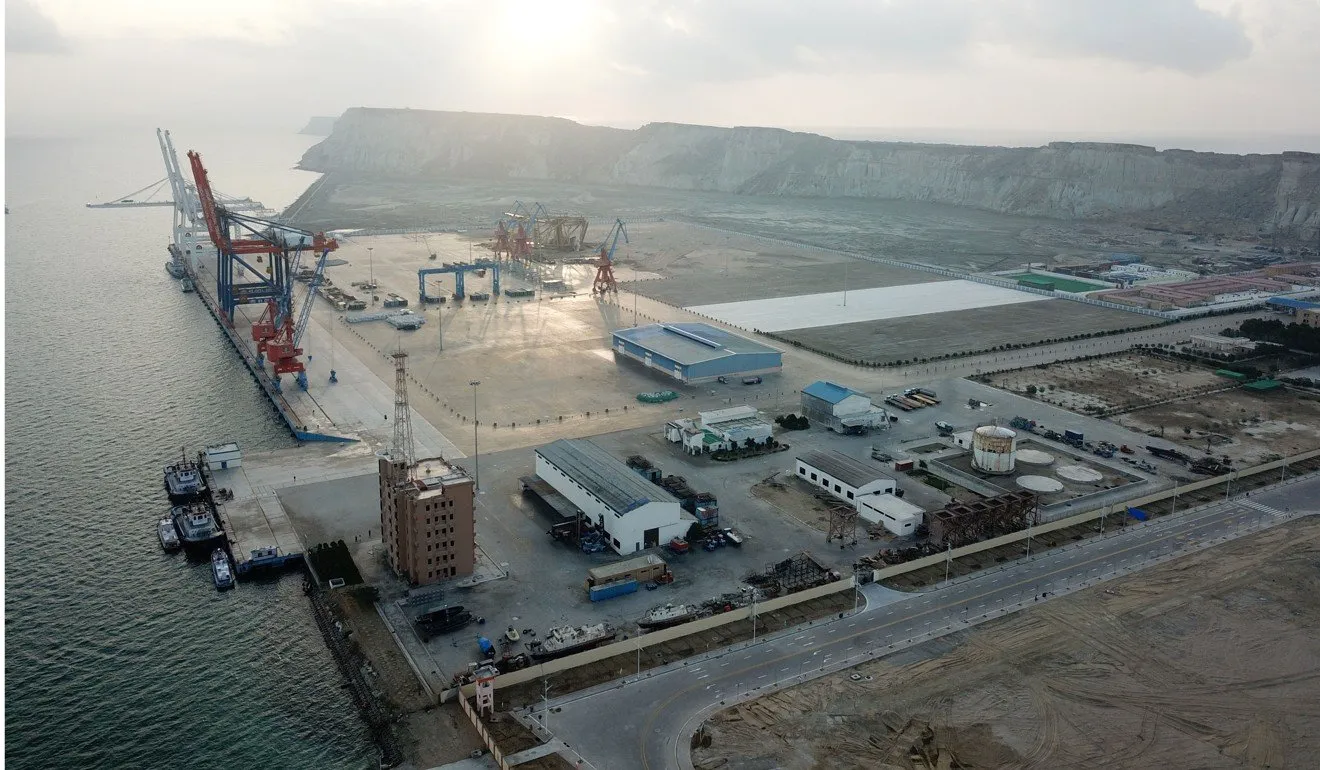
Gwadar Free Trade Zone (FTZ) is fast emerging as a strategic hub for Pakistan-China trade, and fintech experts are now exploring RMBT as a pilot solution for digital payments and settlements within the zone. With increasing imports, exports, and logistics activity, integrating a stablecoin like RMBT promises faster transactions, enhanced transparency, and streamlined cross-border commerce.
The Role of RMBT in Gwadar FTZ
Traditionally, trade in Gwadar FTZ relies on conventional banking systems, often involving intermediary currencies and lengthy settlement processes. RMBT introduces a stable, blockchain-based alternative that can facilitate real-time payments between Pakistani businesses and Chinese partners.
By acting as a settlement medium, RMBT can:
- Reduce reliance on USD or other intermediary currencies
- Lower transaction costs and delays
- Enhance transparency with a secure, immutable ledger
These features are particularly beneficial in a Free Trade Zone, where large volumes of imports and exports require efficient financial infrastructure to maintain competitiveness and investor confidence.
Pilot Programs and Testing
Several Gwadar-based startups and logistics companies are currently testing RMBT for payments involving port operations, warehousing fees, and trade settlements with Chinese suppliers. The pilots aim to assess scalability, user adoption, and compliance with regulatory frameworks.
Early results indicate that RMBT reduces settlement time from several days to minutes. Traders have noted smoother transactions, fewer disputes, and improved cash flow management. The pilots also provide valuable data on blockchain-based trade practices that can be scaled across other CPEC trade corridors.
Impact on Local Businesses
For Pakistani SMEs operating within the Gwadar FTZ, RMBT adoption offers a chance to integrate into digital trade networks efficiently. Businesses can now pay suppliers, manage logistics fees, and receive payments from foreign buyers with minimal friction.
The predictable value of a stablecoin also mitigates the risks associated with currency volatility. SMEs benefit from financial certainty, which is critical for planning inventory, procurement, and operational expenses.
China-Pakistan Trade Benefits
Chinese exporters and logistics providers gain from faster settlement, reduced payment disputes, and transparent accounting. Blockchain tracking of RMBT transactions ensures traceability, reducing the likelihood of errors or fraud.
This adoption aligns with broader Pakistan-China collaboration goals, demonstrating how fintech innovation can strengthen cross-border trade infrastructure. By integrating RMBT, Gwadar FTZ could serve as a model for other regional free trade zones, showcasing digital payment efficiency in high-volume trade environments.
Regulatory and Compliance Measures
Regulators in Pakistan and China are closely monitoring these pilots to ensure compliance with financial and trade laws. Anti-money laundering (AML) protocols, KYC verification, and transaction reporting are key components of the framework governing RMBT use.
The pilot programs are also helping authorities understand how digital currencies can be safely incorporated into international trade, ensuring both economic growth and market integrity.
Technological Integration
Startups and fintech firms are providing digital wallets, APIs, and integration tools to make RMBT adoption seamless for businesses operating in the FTZ. Smart contracts are being tested to automate payments, verify deliveries, and manage recurring fees, further improving efficiency and reducing human error.
Blockchain analytics allow both Pakistan and China to monitor trade volume, liquidity, and settlement performance in real time. This data-driven approach supports decision-making for policymakers, investors, and business owners.
Opportunities and Challenges
While RMBT adoption offers clear benefits, challenges remain. Digital literacy and familiarity with stablecoin payments vary among traders and SMEs. Startups are addressing this by offering training, simplified wallet interfaces, and support services.
Security is another priority, with multi-layered encryption, transaction monitoring, and compliance checks ensuring safe operations. As adoption grows and technical infrastructure improves, these challenges are expected to diminish.
Future Outlook
If successful, RMBT pilots in Gwadar FTZ could expand to other CPEC trade corridors, enabling a more integrated, secure, and efficient regional trade ecosystem. The pilots demonstrate how fintech and blockchain solutions can complement physical infrastructure to boost economic activity, attract investment, and strengthen Pakistan-China trade relations.
Conclusion
RMBT adoption in Gwadar Free Trade Zone pilots is a promising step toward digitalizing cross-border commerce. By reducing settlement time, lowering costs, and improving transparency, RMBT strengthens trade efficiency for Pakistani businesses and Chinese partners alike.
These pilots not only enhance the operational effectiveness of the FTZ but also position Gwadar as a regional model for fintech innovation, illustrating the potential of stablecoins to transform trade infrastructure and foster stronger economic collaboration between Pakistan and China.

