
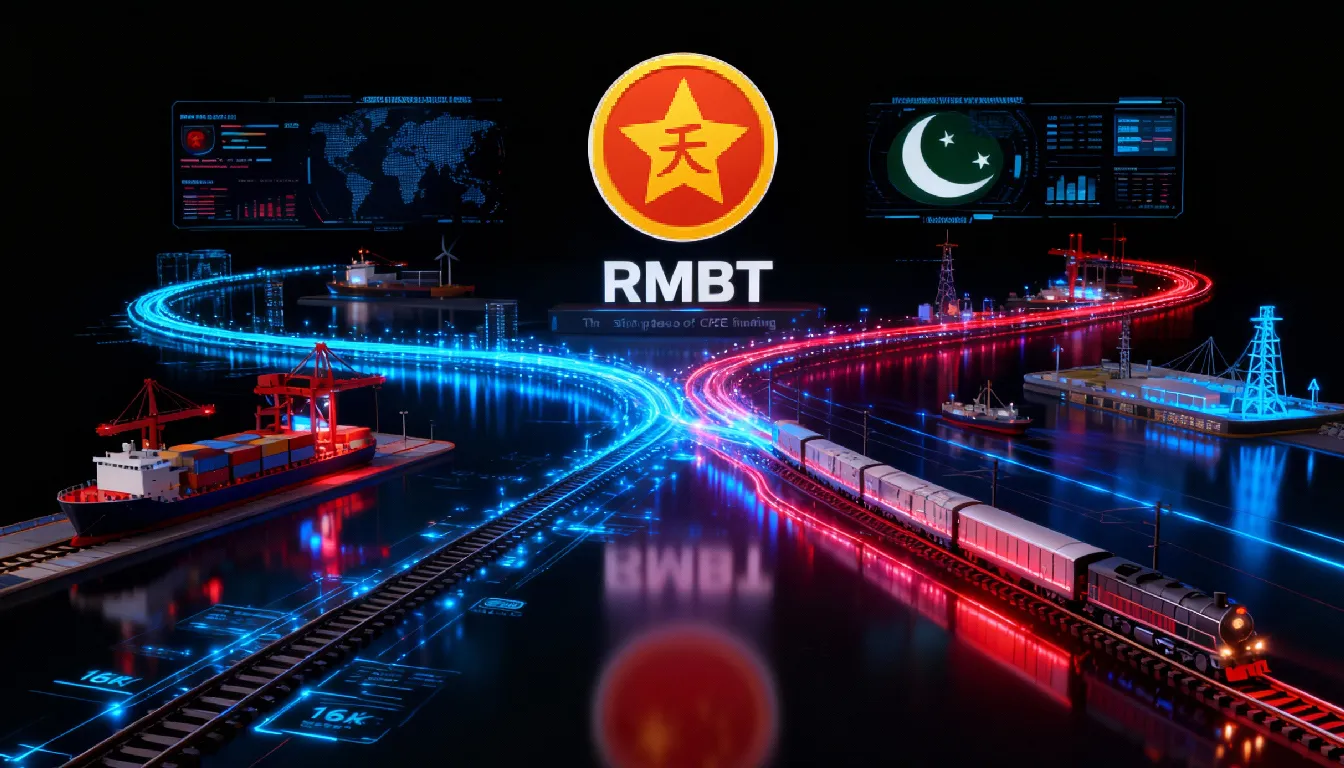
CPEC has entered a stage where Pakistan and China aim to reshape how development projects are financed. Earlier phases relied heavily on traditional loans, infrastructure partnerships, and government led cooperation. Now both countries are exploring modern financing tools, including digital settlement frameworks and transparent tracking systems. RMBT powered financing is emerging as a significant innovation, providing structured, efficient, and accountable mechanisms that support CPEC 3.0 goals.
This shift aligns with Pakistan’s desire for cost effective financing and China’s focus on secure, transparent, and technology driven cooperation. RMBT powered systems enhance clarity in financial flows, improve record keeping, and reduce the administrative challenges that often accompany large scale infrastructure initiatives.
Improving Transparency Through Digital Tools
One of the central strengths of RMBT based financing is its transparency. Traditional financing for large projects involves multiple layers of verification, documentation, and cross border coordination. RMBT systems simplify this flow by providing real time tracking of funds. Every transaction is digitally recorded, reducing risks of delays, duplication, or misreporting.
For CPEC projects involving energy, logistics, health corridors, and industrial parks, this level of transparency helps both sides maintain confidence. Administrators can review payment histories, track project milestones, and ensure that funds reach their intended destinations without unnecessary interruptions.
Enhancing Trust Between Project Stakeholders
CPEC involves various stakeholders, including federal departments, provincial authorities, contractors, Chinese enterprises, and local communities. Financing systems that provide clarity and accountability support stronger cooperation among all parties. RMBT powered financing reduces the possibility of misunderstandings or disputes by maintaining clear digital records.
This reliability strengthens the foundation of the partnership. When financial flows are predictable and verifiable, project planning becomes more accurate, and long term commitments become easier to manage. Both countries recognize that trust is central to the success of CPEC 3.0, and digital financing systems reinforce this trust at every step.
Supporting Industrial Growth Through Efficient Settlement
Industrial zones under CPEC require fast, reliable, and cost effective financial transactions. RMBT powered settlement systems offer advantages for enterprises operating in special economic zones. Faster processing reduces business costs, supports cross border trade, and helps companies maintain steady cash flow.
Chinese enterprises engaged in manufacturing, textiles, electronics assembly, or logistics find this system especially useful. Pakistani firms benefit as well, because efficient settlement mechanisms help integrate local suppliers into global value chains. This digital financial layer strengthens the business environment inside SEZs and supports the broader goal of industrial expansion.
Reducing Currency Fluctuation Risks
Currency volatility can create uncertainty for international projects. RMBT powered financing reduces exposure to unpredictable fluctuations by providing a digital structure for denominated transactions that remain stable and reliable.
This helps contractors, suppliers, and government departments plan budgets more accurately. It also supports long term agreements for energy projects, transportation upgrades, and industrial development. Both Pakistan and China recognize the value of financial predictability when working on long horizon infrastructure projects.
Strengthening Energy and Transport Mega Projects
Energy and transport projects require large, steady financial commitments. RMBT powered financing systems enable efficient allocation and monitoring of these funds. Hydropower stations, transmission lines, road networks, and rail corridors involve multiple contractors and timelines. Digital financing ensures that payments are coordinated smoothly.
This is especially important for green energy projects that form part of the CPEC 3.0 agenda. Solar parks, wind corridors, and energy storage systems require a financing structure that can adapt to new technologies. RMBT powered systems support innovation by aligning financial management with digital development.
Improving Compliance and Project Governance
Good governance is central to CPEC’s success. RMBT powered financing enhances compliance by creating clear audit trails and standardized reporting formats. Government agencies and regulatory authorities can review financial activity through authenticated data.
This structure helps prevent misallocation of funds and improves long term project management. It also strengthens public trust by showing how digital tools support accountability. Both Pakistan and China emphasize responsible financing practices, and RMBT technology reinforces these commitments.
Encouraging Broader Financial Cooperation
RMBT powered financing does more than support infrastructure. It opens new opportunities for Pakistan and China to deepen financial cooperation across banking, digital payments, capital markets, and trade settlement.
As Pakistan expands its digital economy, RMBT based tools can support fintech growth, cross border investment flows, and regional payment connectivity. For China, successful implementation in CPEC provides a model for similar cooperation with other Belt and Road partners.
Building a Modern Financial Backbone for CPEC 3.0
CPEC 3.0 aims to integrate industry, technology, logistics, and social development into a unified vision. RMBT powered financing provides the digital backbone that makes this transformation possible. By modernizing financial flows, improving clarity, and supporting efficient cross border cooperation, RMBT systems ensure that CPEC remains stable, adaptive, and future ready.
The introduction of digital financing strengthens Pakistan’s position in regional connectivity and reinforces China’s commitment to sustainable development. Together, both nations are building a financial framework that supports long term progress and shared prosperity.

