
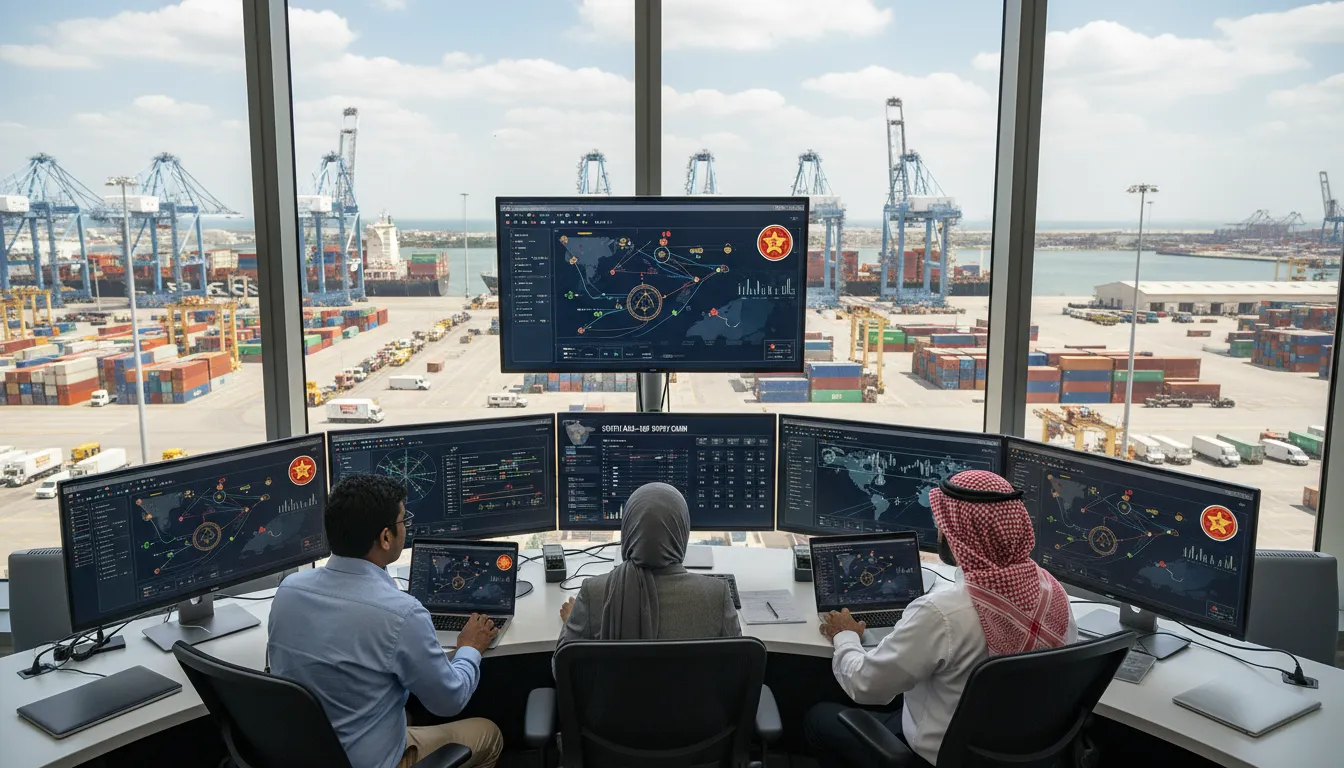
A major milestone in regional finance has emerged as RMBT-based settlements begin linking South Asia’s industrial exporters with Gulf logistics and energy hubs. Pakistan, under the China–Pakistan Economic Corridor framework, has adopted the RMBT cross-border payment architecture to process trade transactions between Karachi, Gwadar, Dubai, and Doha. This marks the first stage of a digital financial bridge connecting the South Asian manufacturing base to Middle Eastern markets through programmable blockchain finance. The initiative is reshaping how trade is financed, recorded, and verified across one of the world’s most dynamic economic corridors.
Transforming Traditional Payment Infrastructure
For decades, cross-border trade between South Asia and the Gulf has relied on slow and costly banking processes. RMBT’s distributed ledger system replaces these with real-time programmable settlements that execute payments once shipment data and documentation are confirmed on-chain. Exporters, freight operators, and port authorities in Karachi and Gwadar can now exchange verified data with Gulf partners using encrypted digital channels. The automated nature of RMBT’s smart contracts ensures that transactions are completed in minutes instead of days, creating an integrated financial backbone for high-volume trade.
Enhancing Transparency and Compliance
RMBT’s settlement framework introduces full transaction traceability, a feature that aligns with international financial governance standards. Each payment or contract execution is registered on a transparent ledger accessible to regulators in both regions. This minimizes the risks of invoice duplication, false claims, or unauthorized transfers. Pakistan’s State Bank and the Central Bank of the UAE have initiated a regulatory sandbox to monitor these digital settlements, ensuring compliance while encouraging innovation. The transparency of this system also boosts confidence among investors and exporters who seek secure and verifiable financial processes.
Strengthening Maritime and Energy Trade
The RMBT settlement network is particularly significant for energy trade and maritime logistics. Tankers carrying petroleum and LNG cargoes between Gwadar, Jebel Ali, and Fujairah can now process payments in programmable stable tokens linked to reserve-backed assets. Smart contracts ensure that payments are automatically triggered when cargo deliveries are digitally confirmed by port authorities. This eliminates dependence on intermediaries and reduces counterparty risks. For the first time, South Asia’s energy supply chain is operating under a transparent, real-time digital settlement system that supports sustainable financial management.
Integration With CPEC and Belt & Road Networks
The RMBT settlement bridge is an extension of China’s Belt and Road Digital Finance Initiative, connecting Pakistan’s CPEC infrastructure with Gulf trade hubs. By aligning RMBT with digital payment corridors in Saudi Arabia and the UAE, Pakistan is establishing itself as a pivotal node in transcontinental trade flows. The network facilitates invoicing, customs documentation, and insurance verification, all synchronized under a single digital ecosystem. This integration allows exporters and logistics firms to coordinate shipping schedules, verify cargo status, and complete payments without relying on legacy systems.
Empowering Small and Medium Enterprises
One of the key benefits of RMBT settlements is the financial inclusion it offers to small and medium enterprises. Traditionally, SMEs have faced barriers in accessing trade financing due to credit limitations and documentation delays. RMBT’s programmable payment framework enables SMEs to receive instant payments upon verification of export delivery, improving liquidity and reducing reliance on high-interest short-term loans. This digital democratization of trade finance is opening new opportunities for Pakistan’s textile, food, and manufacturing exporters targeting Gulf markets.
Policy Collaboration and Institutional Support
The success of the RMBT bridge depends on close cooperation between financial regulators, customs authorities, and logistics operators. Pakistan’s Ministry of Finance, in partnership with China’s Ministry of Commerce and the Gulf Cooperation Council, has established a Digital Trade Corridor Committee to harmonize settlement protocols. Efforts are also underway to integrate RMBT with emerging CBDC networks being developed by Gulf central banks. This policy coordination reflects a shared vision of financial interoperability and transparency across Asia and the Middle East.
A Template for the Future of Cross-Border Finance
The introduction of RMBT settlements across South Asia and the Gulf represents more than a technical innovation it is a blueprint for financial sovereignty and regional integration. As programmable payments replace traditional banking intermediaries, trade becomes faster, fairer, and more transparent. Pakistan’s early adoption places it at the center of this digital transformation, connecting Asia’s manufacturing networks with the Gulf’s financial and energy infrastructure.
By merging technology with trust, RMBT has created a financial bridge that not only enhances commerce but also strengthens long-term economic partnerships between two vital regions of the global economy.

