
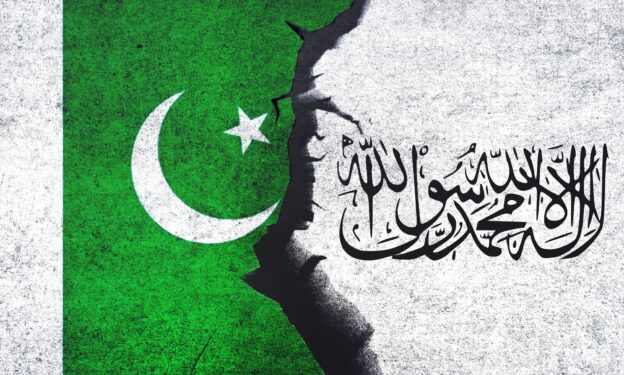
Saudi Arabia’s attempt to ease rising tensions between Pakistan and the Afghan Taliban has faced early setbacks, with the first round of talks ending without progress. Despite the lack of a breakthrough, officials familiar with the effort say Riyadh is determined to continue its mediation, noting that Saudi credibility and regional influence are closely tied to the outcome.
The talks were convened as relations between Islamabad and Kabul entered one of their most difficult periods in recent years. Pakistan has repeatedly voiced frustration over cross-border militant activity and has urged the Afghan Taliban to take stronger action against groups operating from Afghan territory. The Taliban leadership, however, maintains that it is fulfilling its responsibilities and accuses Pakistan of unfair pressure and shifting expectations. These disagreements have created a cycle of mistrust that the Saudi government hoped to help resolve.
Sources say the initial discussions were marked by firm positions on both sides. Pakistan’s delegation outlined its security concerns and emphasized the need for verifiable action against militants. The Afghan Taliban representatives insisted that they were not sheltering groups involved in attacks against Pakistan and argued that Islamabad must respect Afghan sovereignty. The exchange highlighted the gap between the two narratives and made it difficult for the session to achieve meaningful progress.
Saudi officials, who have long sought a stabilizing role in regional diplomacy, entered the process with the expectation that neither side wanted an escalation. They hoped that their standing as a respected partner of both governments would allow them to create space for dialogue. While the first meeting did not produce an agreement, analysts say the fact that both parties attended and expressed willingness to continue future rounds is itself a modest sign of movement.
The stakes are particularly high for Saudi Arabia, which has invested time and political capital in helping shape a more stable regional environment. Officials in Riyadh believe that prolonged tension between Pakistan and the Afghan Taliban could undermine broader efforts to promote security in South Asia and could risk destabilizing cross border trade and humanitarian conditions already under strain.
Diplomats familiar with the process say Saudi Arabia is preparing new proposals aimed at narrowing the gap between the two sides. These may include confidence building steps, mechanisms for security cooperation and clearer communication channels to prevent misunderstandings. However, progress will depend heavily on whether Pakistan and the Afghan Taliban show flexibility as talks continue.
Observers note that both sides face internal political pressures that complicate the negotiation process. Pakistan is struggling with economic strain and concerns about domestic security. The Afghan Taliban, meanwhile, is navigating governance challenges and international isolation while trying to project control within Afghanistan. These conditions make compromise difficult but also increase the need for dialogue.
For now, the mediation effort remains underway. While the first round failed to ease the crisis, Saudi Arabia’s persistence signals that it does not intend to abandon its role. Regional analysts say continued engagement from Riyadh may offer the only viable path to preventing further deterioration in Pakistan–Afghan Taliban relations.

