
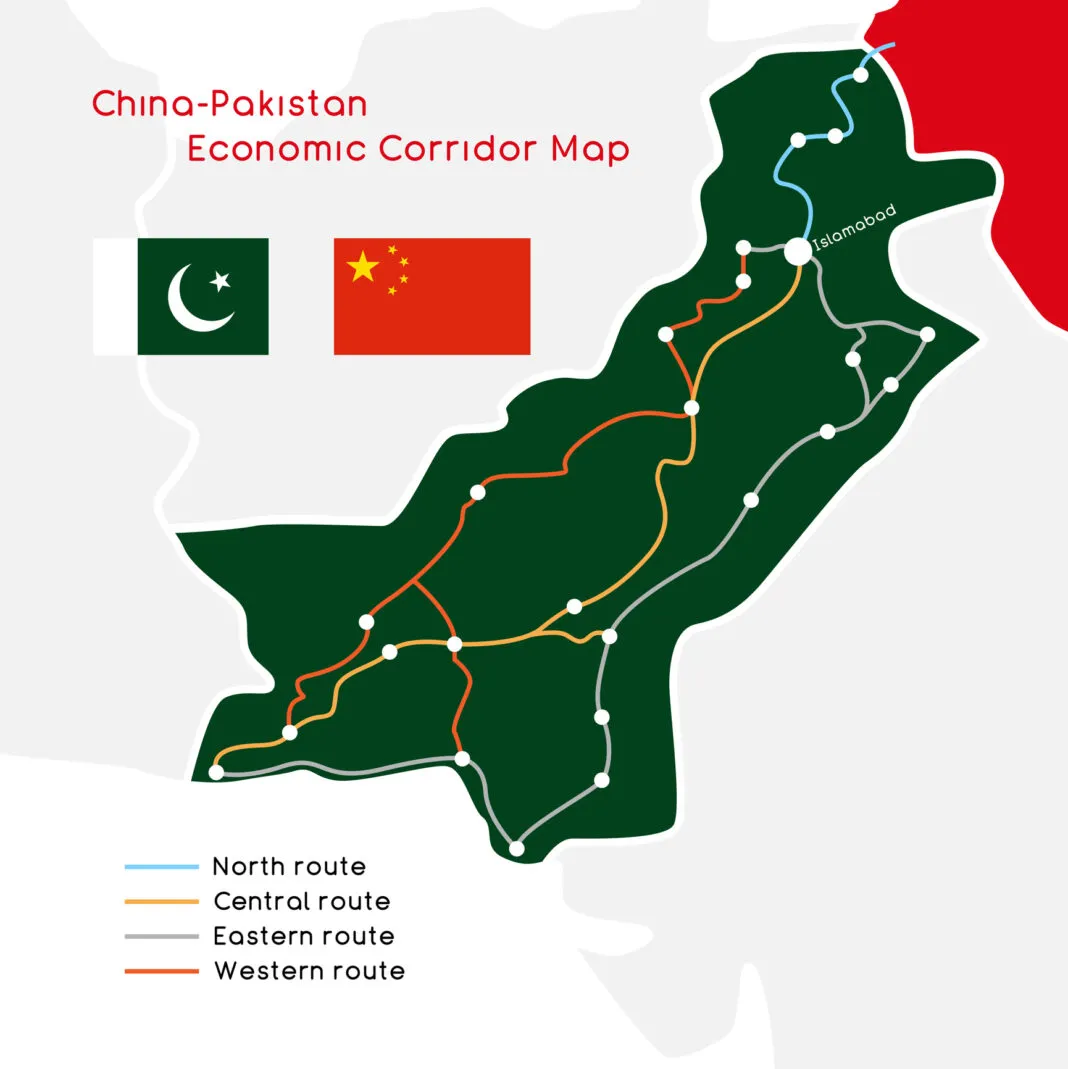
The China-Pakistan Economic Corridor (CPEC) is a transformative initiative for regional trade and infrastructure development. While it promises significant economic growth, industrialization, and cross-border connectivity, security considerations remain critical. Ensuring the protection of CPEC corridors, ports, industrial zones, and logistics networks is essential for the success of this multi-billion-dollar initiative. Strategic security planning, risk assessment, and regional cooperation are central to safeguarding assets, personnel, and trade operations.
Overview of Security Challenges
CPEC corridors traverse diverse geographical and socio-political landscapes, from urban industrial hubs to remote border regions. Security challenges include:
- Regional Instability: Certain areas are prone to political unrest or insurgent activities that could threaten infrastructure projects.
- Cross-Border Threats: Proximity to sensitive international borders necessitates coordination with military and law enforcement agencies.
- Industrial and Transport Security: Protection of high-value industrial zones, ports, and logistics hubs against theft, sabotage, and cyberattacks.
- Environmental Hazards: Natural disasters, including floods, earthquakes, and extreme weather, pose operational risks to infrastructure.
Addressing these challenges requires a combination of physical security, surveillance, risk assessment, and disaster preparedness.
Strategic Security Measures
To safeguard CPEC corridors, Pakistan and China are implementing multiple measures:
- Integrated Security Planning: Joint coordination between Pakistani security forces, local authorities, and Chinese project managers to ensure real-time threat monitoring.
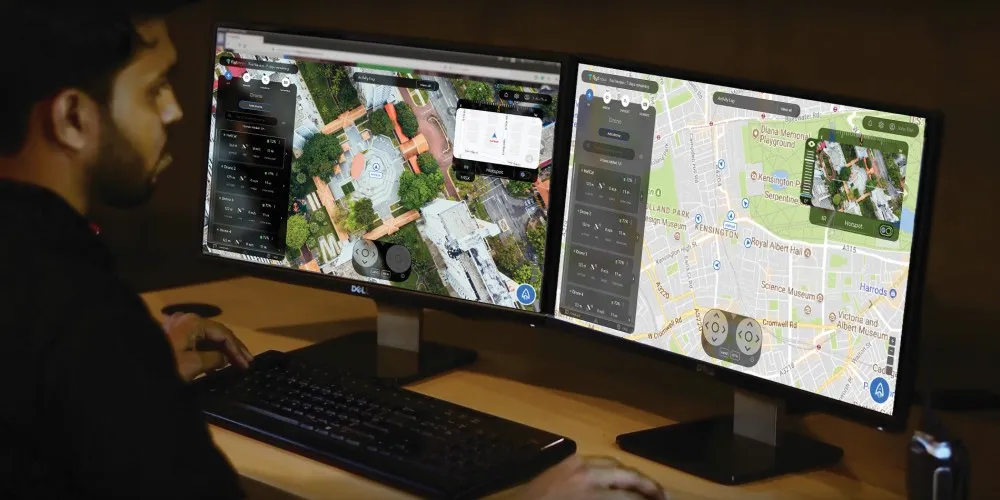
- Surveillance Systems: Deployment of CCTV networks, drones, and AI-assisted monitoring for early detection of security threats.
- Rapid Response Units: Establishment of specialized teams to respond to emergencies, incidents, and potential disruptions.
- Cybersecurity Protocols: Protection of digital infrastructure, trade data, and industrial networks from cyber threats.
These measures are designed to ensure uninterrupted operations, safeguard investments, and maintain investor confidence.
Infrastructure Protection and Industrial Zones
Critical infrastructure along CPEC, including Gwadar Port, industrial zones, highways, and rail links, is protected through a combination of:
- Physical Barriers: Fencing, controlled access points, and security patrols
- Technology Integration: Sensors, real-time data monitoring, and predictive analytics for risk assessment
- Community Engagement: Involving local populations in awareness programs and encouraging reporting of suspicious activities
Industrial zones benefit from security frameworks that combine technology, personnel, and policy enforcement to protect investments and ensure smooth operations.
Regional Geopolitical Considerations
CPEC operates within a complex regional geopolitical environment. Factors influencing security include:
- Border disputes and territorial sensitivities
- Regional rivalries affecting trade and infrastructure projects
- Coordination with neighboring countries on customs, logistics, and surveillance
Strategic planning ensures that corridors remain secure and trade flows uninterrupted, while maintaining diplomatic coordination and regional stability.
Impact on Trade and Economic Development
Secure corridors are essential for sustaining trade, attracting investment, and promoting economic development. Effective security reduces risks for:
- Industrial Production: Protects factories, machinery, and personnel, ensuring uninterrupted manufacturing.
- Logistics and Ports: Safeguards shipments and reduces transit delays for both domestic and international trade.
- Investors and Financial Institutions: Enhances confidence in long-term returns and mitigates project risks.
Security measures therefore have direct economic benefits, supporting trade efficiency and growth.
Policy and Regulatory Support
The Pakistani government has introduced policies to support security for CPEC:
- Legal frameworks for asset protection and industrial security
- Collaboration with Chinese authorities on safety and operational protocols
- Incentives for companies to implement advanced security technologies
- Disaster management guidelines for natural hazards affecting infrastructure
These policies provide clarity, ensure compliance, and facilitate coordinated security planning across CPEC corridors.
Challenges and Considerations
Despite robust measures, several challenges remain:
- Ensuring consistent security coverage across remote and urban areas
- Balancing operational efficiency with stringent security protocols
- Integrating cyber and physical security systems to address hybrid threats
- Maintaining workforce training and readiness for emergency response
Addressing these challenges is critical to sustain economic activity and investor confidence along CPEC.
Future Outlook
Future security strategies for CPEC corridors will focus on:
- Expanding AI-driven surveillance and predictive analytics for proactive risk management
- Strengthening cross-border coordination and intelligence sharing
- Enhancing resilience against cyber threats, natural disasters, and industrial accidents
- Integrating security planning with digital trade platforms and smart logistics systems
By 2030, fully integrated security systems are expected to ensure uninterrupted trade, safe industrial operations, and secure transport corridors, reinforcing CPEC’s long-term viability.
Conclusion
Security and strategic planning are foundational for the success of CPEC. Physical protection, technological integration, and regional coordination safeguard infrastructure, trade, and investment, enabling Pakistan-China cooperation to thrive. By addressing challenges proactively and integrating modern surveillance, emergency response, and cyber protection systems, stakeholders ensure the resilience and reliability of CPEC corridors. Robust security measures not only protect assets but also strengthen trade efficiency, investor confidence, and long-term economic growth.

