
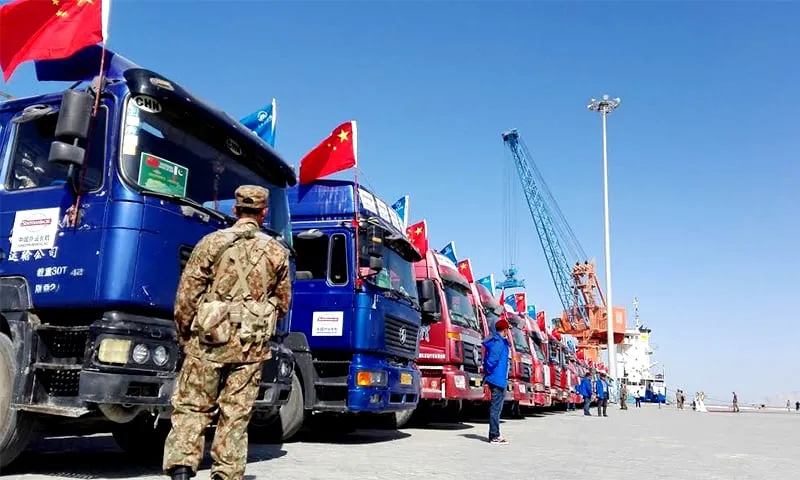
The China-Pakistan Economic Corridor (CPEC) is a transformative initiative driving industrial modernization, trade facilitation, and regional connectivity. With significant investment in ports, roads, SEZs, and energy projects, security has become a critical aspect of CPEC operations. Effective security measures protect infrastructure, safeguard trade routes, and ensure uninterrupted industrial and logistics activities. Comprehensive strategies include physical protection, cybersecurity, and coordinated regional intelligence to mitigate risks and maintain investor confidence.
Physical Security for Industrial Corridors
Industrial zones and logistics hubs along CPEC, including Gwadar, Karachi, and Faisalabad, are equipped with advanced security systems. CCTV surveillance, controlled access points, perimeter fencing, and patrolling units enhance physical security. Security protocols ensure the protection of critical infrastructure, including warehouses, energy plants, and manufacturing facilities. Regular audits and drills are conducted to maintain readiness, mitigate risks, and respond effectively to potential threats, ensuring that industrial and trade operations continue without disruption.
Port Security and Trade Protection
Ports, particularly Gwadar, are central to CPEC trade. Advanced monitoring systems, container scanning technologies, and automated cargo tracking ensure safe and efficient operations. Security personnel conduct inspections, monitor vessel movements, and implement risk-based procedures to prevent smuggling, theft, or sabotage. Integration with digital management systems enables real-time alerts, threat detection, and rapid response, protecting both imported and exported goods. These measures safeguard trade flows, maintain operational efficiency, and support investor confidence in CPEC infrastructure.
Cybersecurity in Logistics and Industrial Operations
Digital systems supporting industrial automation, port management, and logistics are vulnerable to cyber threats. Cybersecurity protocols, including firewalls, encryption, and multi-factor authentication, protect critical data and systems. Cyber risk assessments identify vulnerabilities, while training programs educate staff on best practices for secure operations. Real-time monitoring and AI-driven threat detection allow for rapid identification and mitigation of potential cyberattacks. By securing digital infrastructure, CPEC ensures continuity of trade operations and protects sensitive industrial and financial information.
Coordination with Law Enforcement and Military
CPEC security strategies involve close coordination with local law enforcement, paramilitary forces, and the military. Joint security task forces monitor industrial corridors, respond to incidents, and maintain public order. Intelligence sharing, patrol coordination, and rapid deployment units ensure that potential threats are neutralized efficiently. This collaborative approach strengthens the protection of trade routes, industrial assets, and personnel, providing a secure environment for investors and operators.
Emergency Preparedness and Disaster Response
Security measures also encompass preparedness for natural disasters and emergencies. Ports, SEZs, and logistics hubs have contingency plans for floods, earthquakes, and industrial accidents. Emergency response teams, evacuation protocols, and communication networks ensure swift action to protect lives, assets, and trade continuity. Regular drills and coordination with regional authorities enhance readiness, minimize disruption, and maintain operational resilience along CPEC corridors.
Community Engagement and Local Support
Local communities play a vital role in supporting CPEC security. Awareness programs, collaboration with local leaders, and community policing initiatives promote vigilance and foster trust. Engaging communities ensures that security measures are culturally sensitive and effective, reducing social tensions while enhancing protection for industrial and trade operations. Positive community relations also contribute to workforce stability, project acceptance, and sustainable development.
Technology Integration for Security Operations
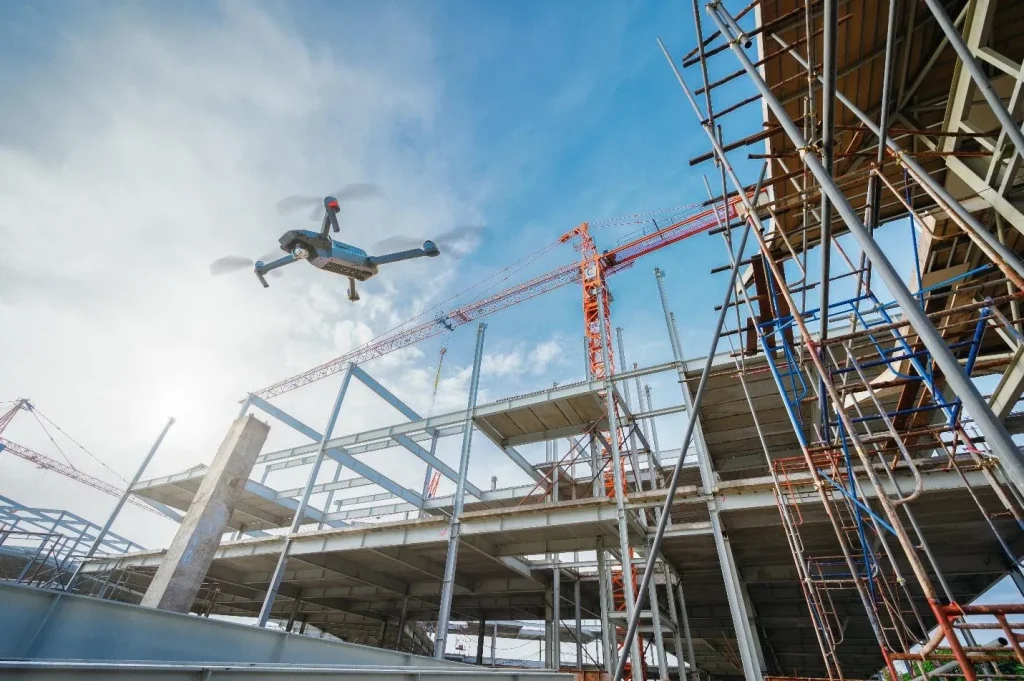
Advanced technologies enhance security across CPEC corridors. AI-based monitoring, drone surveillance, biometric access control, and automated alarms improve detection and response capabilities. Integrated digital platforms enable real-time coordination between security teams, port authorities, and industrial operators. These technologies enhance situational awareness, streamline decision-making, and reduce response times, ensuring the safety and efficiency of trade and industrial operations.
Bilateral Coordination and Regional Security
China and Pakistan collaborate closely on CPEC security, sharing expertise, intelligence, and best practices. Chinese security teams provide technical support for port and industrial zone protection, while joint drills and training programs enhance operational effectiveness. Regional security coordination ensures that potential threats from transnational criminal networks, terrorism, or sabotage are addressed proactively. This collaboration strengthens the resilience of CPEC infrastructure and reinforces trust between bilateral partners.
Risk Assessment and Mitigation Strategies
Regular risk assessments identify potential threats to industrial, logistical, and trade operations. Physical, cyber, and operational vulnerabilities are evaluated, and mitigation strategies are implemented. Contingency planning, resource allocation, and scenario simulations prepare teams for diverse challenges. These measures reduce downtime, protect investments, and maintain the integrity of CPEC projects, ensuring that industrial modernization and trade facilitation proceed uninterrupted.
Strategic Implications for Industrial Modernization and Trade
Effective security is integral to the success of CPEC’s industrial modernization agenda. Safeguarding ports, SEZs, and logistics corridors ensures that automation, energy projects, and trade facilitation initiatives operate efficiently. Security measures enhance investor confidence, support sustainable industrial growth, and promote regional trade competitiveness. By integrating physical, cyber, and operational security strategies, CPEC creates a stable environment conducive to long-term economic development and industrial modernization.
Conclusion
Security measures along CPEC logistics and industrial corridors are vital for protecting trade, infrastructure, and industrial operations. Physical protection, cybersecurity, emergency preparedness, and community engagement create a comprehensive security framework. Bilateral coordination between Pakistan and China, coupled with technological integration, ensures operational resilience, risk mitigation, and uninterrupted commerce. Effective security supports industrial modernization, trade facilitation, and regional economic growth, reinforcing CPEC’s role as a transformative corridor for Pakistan and the broader region.

