
Sino-Pakistani cooperation set the tone for the China trip
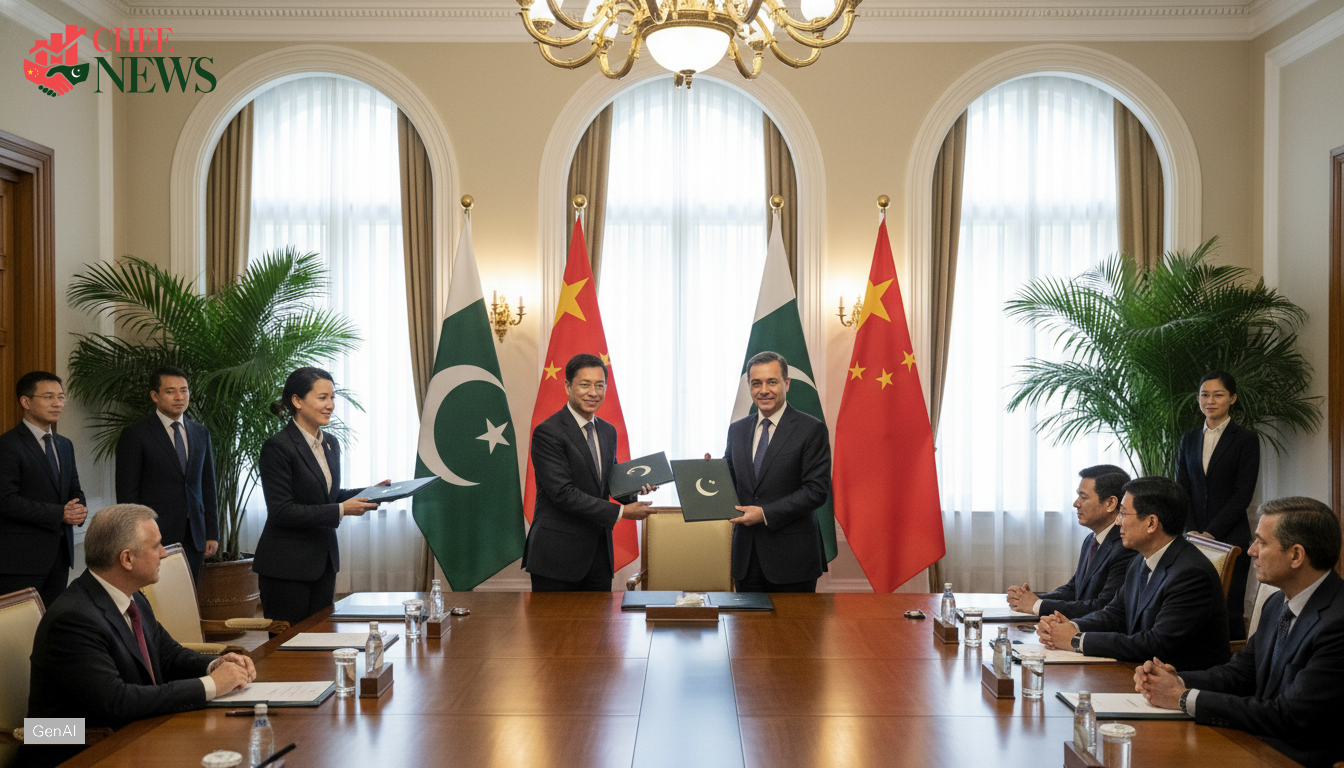
Sino-Pakistani cooperation was placed at the center of the prime minister’s China trip as the visit opened with an early signing ceremony for multiple cooperation papers. According to available reports from Dawn, the documents were signed as the trip began, with officials presenting the package as a practical step to carry forward earlier understandings. Delegations described the agenda as focused on implementable items and on keeping state to state engagement on schedule, with Sino-Pakistani cooperation described by aides as the organising frame for the agenda. The immediate emphasis from both capitals was on documenting deliverables that ministries can execute through defined channels, with follow up meetings expected to convert paperwork into work plans.
Cooperation papers signed and the process around them
The signing ceremony concluded with several cooperation papers exchanged between the two sides, and it was suggested by Dawn that the timing was deliberate, coming at the opening of the visit to signal continuity. Related background on the broader diplomatic track has been outlined in Sino-Pakistani diplomacy shapes Shehbaz China trip, and officials said the goal was to reduce administrative friction by clarifying responsibilities across agencies, then moving quickly into technical discussions. On the China side, sectors tied to industrial planning and innovation have remained part of the context, including themes discussed in AI maps China renewables as data centers surge fast.
Priority sectors and how the bilateral agenda is framed
Officials accompanying the delegation said the visit narrative is being handled through sectoral tracks meant to tie diplomacy to deliverables and coordination across ministries. As indicated by Dawn, the papers span areas intended to support project execution and institutional alignment, while delegations stressed defined channels and timelines. For readers tracking energy issues raised by Pakistani negotiators, additional context has been outlined in Pakistan-China energy talks seek tariff relief in China. Separate coverage of leader level messaging is available in Xi signals China-Pakistan relations in Shehbaz talks, while the delegation presented the agreements as mechanisms to reduce bottlenecks for ongoing work.
Regional development implications and corridor-linked messaging
Beyond the signing optics, officials described the package as intended to keep regional connectivity and investment planning aligned with existing commitments. As reported by Dawn, the opening session placed a premium on coordination between line ministries so project timelines remain predictable for contractors and financiers. In briefings held in Beijing, Sino-Pakistani cooperation was framed as linked to corridor style development, with attention on logistics, energy reliability, and industrial linkages that can support employment and exports. The visit also carried a diplomatic signal to neighbouring states that Islamabad and Beijing want stability around major infrastructure. Messaging stayed focused on implementable steps rather than new headline numbers.
What experts say about follow-through and next steps
Policy specialists following the meetings said the key test will be administrative follow through rather than the number of documents exchanged, and they pointed to the need for monitoring routines and dispute resolution. It was noted by Dawn that implementation pathways are being clarified during the visit, which experts say can reduce delays tied to approvals and inter agency coordination. Some analysts also cited shifting external conditions that can affect financing assumptions and supply chains, including tariff debates covered by the South China Morning Post in US proposes 25% tariff to punish Brazil over trade practices. The near-term expectation remains that agencies will translate the papers into tracked work plans.

