
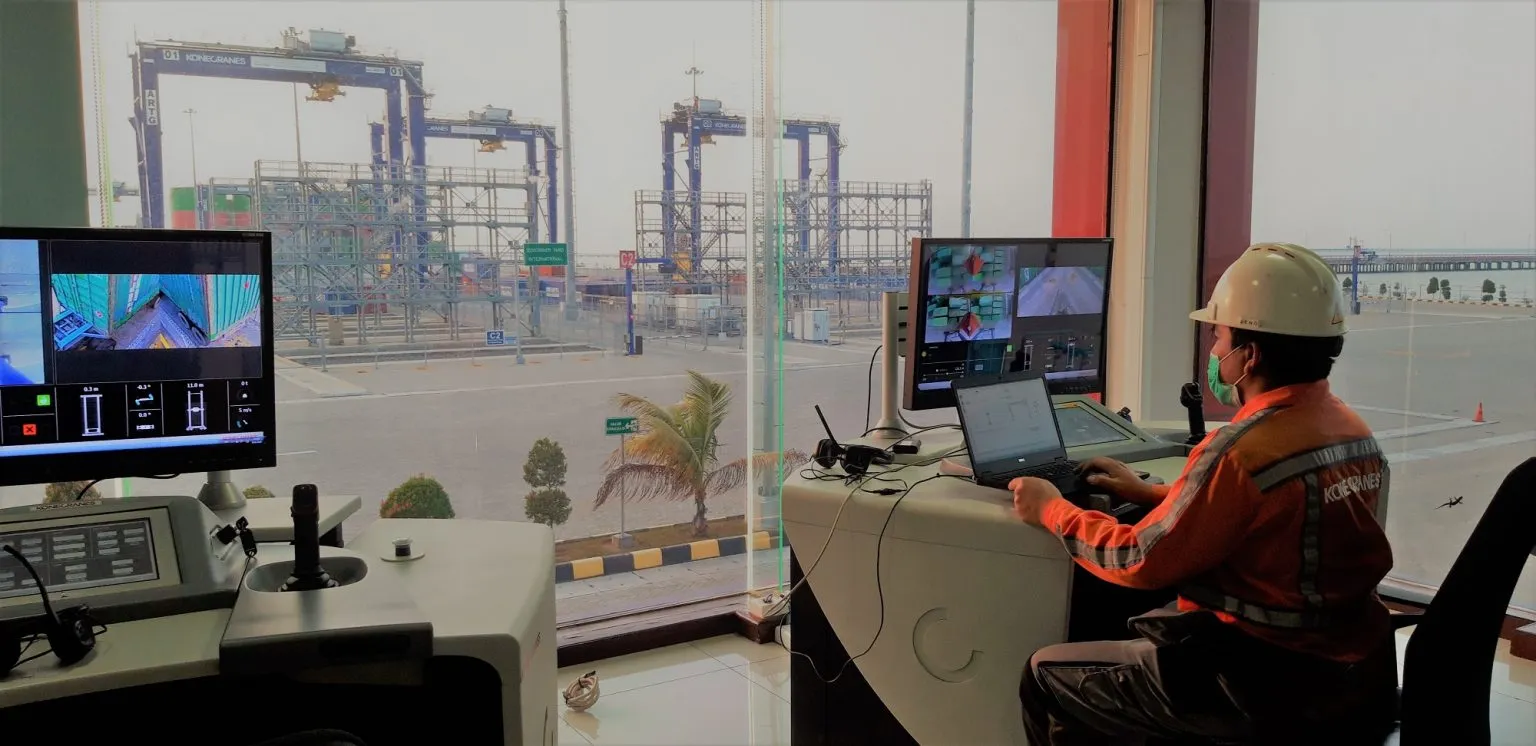
Across Asia’s growing maritime network, ports are no longer just gateways for goods they are becoming intelligent trade ecosystems powered by artificial intelligence, automation, and digital finance. Smart ports in China, Pakistan, and Southeast Asia are now integrating machine-to-machine communication systems that connect logistics operations directly with financial settlements. These AI-driven payment systems are transforming global trade by creating real-time synchronization between the physical movement of goods and the flow of capital.
Intelligent Automation and Digital Logistics
Modern ports operate under complex, high-volume environments where speed and precision are critical. AI-driven automation now manages everything from container tracking to route optimization. Sensors and data networks gather information on shipment status, storage capacity, and energy usage, enabling ports to function with minimal human intervention.
At key Belt and Road hubs such as Shanghai, Gwadar, and Port Klang, cranes and cargo systems use predictive analytics to coordinate loading schedules and resource deployment. When a shipment is verified through digital sensors, the system automatically updates both customs and financial databases. This seamless connection eliminates redundant paperwork and shortens clearance time dramatically.
Through AI-enhanced platforms, trade operators can now calculate tariffs, insurance, and freight costs in real time, while financial partners execute automated settlements within seconds. This integration marks the emergence of self-operating logistics-finance ecosystems, a model that links physical trade data with financial contracts on shared digital ledgers.
Machine-to-Machine Payment Systems
The next stage of automation in trade finance lies in machine-to-machine (M2M) payments. These are automated financial transactions executed by AI systems without human intervention, based on predefined conditions verified by digital sensors or blockchain data.
For example, when cargo leaves a terminal and arrives at its destination, the system automatically confirms delivery, updates trade documentation, and releases payments to logistics providers. These instant settlements reduce delays that once slowed down international trade. Banks and fintech institutions are partnering with port authorities to embed programmable payment systems that execute settlements across multiple currencies in real time.
This innovation enhances liquidity, lowers transaction costs, and strengthens transparency across the logistics chain. It also minimizes errors by ensuring that every transaction is backed by verified data rather than manual reporting.
Smart Finance for Trade Resilience
AI-driven payment systems are especially valuable for improving trade resilience in times of market volatility. Automated financial settlements tied to verified cargo data prevent liquidity shortages and allow exporters and importers to operate with greater confidence.
When combined with blockchain-based documentation, these systems create a single source of truth that can be accessed by shipping companies, customs authorities, and banks simultaneously. This reduces the risk of fraud, ensures regulatory compliance, and supports faster decision-making.
Financial institutions are leveraging these systems to create new products such as data-verified trade credit and dynamic freight financing, where credit limits and interest rates adjust automatically based on performance and delivery data. This form of algorithmic trade finance ensures that funding aligns directly with operational outcomes.
Regional Collaboration and Policy Support
Governments across Asia are actively supporting the transition to digital trade ecosystems. China’s Ministry of Transport has introduced guidelines promoting smart port construction, focusing on automation, energy efficiency, and real-time payment integration. Pakistan’s Gwadar Port Authority is also working with regional fintech partners to establish automated customs and payment gateways to attract international shipping lines.
ASEAN nations are taking a similar approach. Ports in Malaysia, Singapore, and Thailand are adopting unified digital standards that allow AI payment systems to connect with regional banking networks. This harmonization is gradually forming an Asian digital trade corridor, linking maritime infrastructure with finance through shared digital protocols.
AI, Data, and the Future of Maritime Finance
The convergence of artificial intelligence and financial technology is redefining global maritime trade. As AI systems gain autonomy in processing transactions and managing logistics, ports will evolve into intelligent financial ecosystems where goods and capital move in parallel.
Analysts predict that by 2030, a majority of Asia’s top 20 ports will operate under fully integrated digital logistics-finance systems. This transformation will not only increase trade efficiency but also establish Asia as the global center for smart infrastructure and digital trade governance.
Conclusion
The emergence of AI-driven payment systems in smart ports represents a turning point in the relationship between technology, trade, and finance. By enabling automated transactions, predictive logistics, and transparent data sharing, Asia’s new port ecosystems are setting a global standard for intelligent commerce. The integration of machine learning, blockchain, and real-time finance is transforming ports from passive transport nodes into dynamic economic engines powering the future of digital globalization.

