
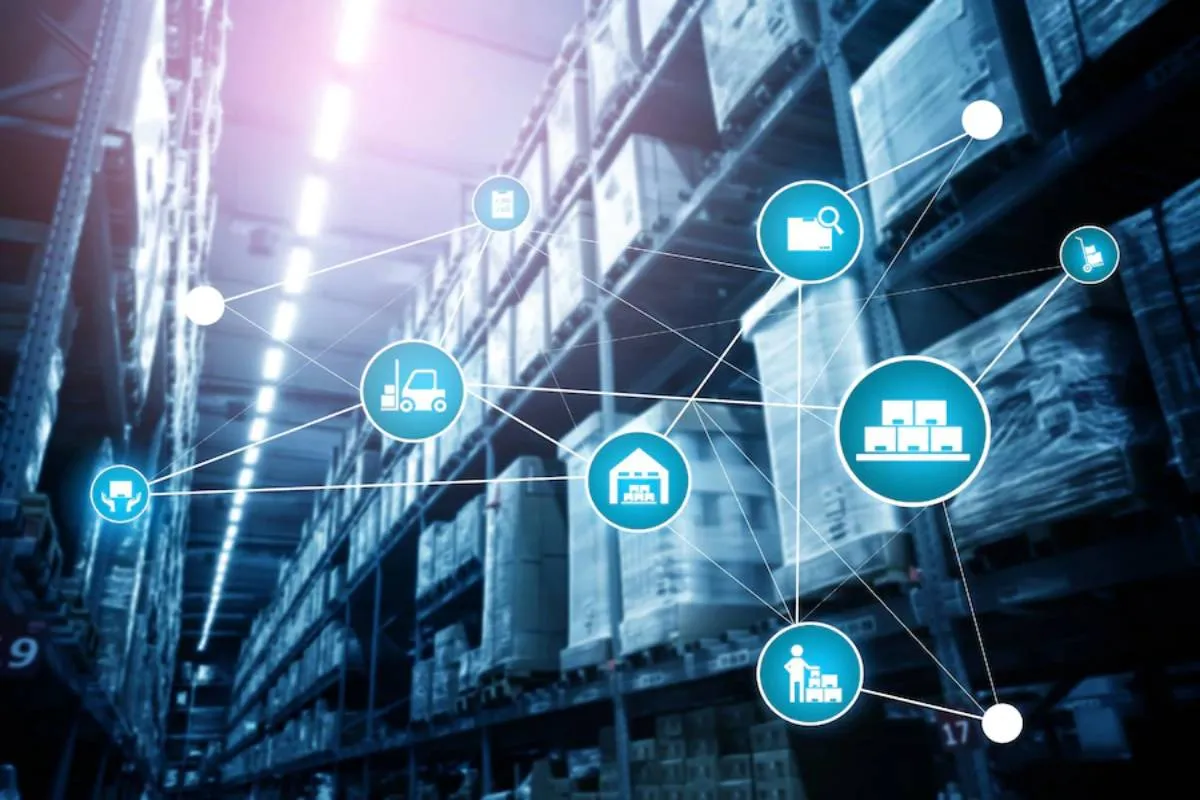
The China-Pakistan Economic Corridor (CPEC) is reshaping Pakistan’s industrial and trade landscape through enhanced connectivity, infrastructure development, and industrial modernization. Central to this transformation is the development of smart supply chains that leverage technology to optimize logistics, improve efficiency, and facilitate trade. Technology-driven supply chains integrate digital monitoring, predictive analytics, and automation to reduce delays, lower costs, and enhance operational performance across industrial zones, ports, and transportation networks.
Integration of Digital Logistics
Digital logistics platforms form the backbone of smart supply chains along CPEC. These platforms provide real-time tracking of goods, inventory management, and transportation coordination. RFID tags, GPS-enabled tracking, and cloud-based dashboards allow companies and authorities to monitor cargo movement from production facilities to ports and final destinations. Digital integration enhances transparency, reduces bottlenecks, and ensures timely delivery, contributing to trade facilitation and industrial efficiency.
Automation in Warehousing and Inventory Management
Automation technologies improve warehouse operations and inventory management within CPEC SEZs and industrial hubs. Automated storage and retrieval systems, robotic picking solutions, and AI-powered inventory forecasting reduce human error and enhance operational speed. These systems optimize storage space, manage stock levels efficiently, and streamline order fulfillment, supporting continuous production and reducing delays in supply chains. Automation also enables industries to scale operations rapidly, responding effectively to fluctuations in demand.
Predictive Analytics for Supply Chain Optimization
Predictive analytics plays a critical role in managing supply chain risks and improving decision-making. By analyzing historical data, real-time performance metrics, and external factors, predictive models forecast potential disruptions, demand fluctuations, and transportation bottlenecks. Companies and authorities can proactively adjust production schedules, reroute shipments, and allocate resources to maintain efficiency. Predictive analytics enhances resilience, reduces operational risk, and strengthens overall supply chain performance along CPEC corridors.
Port and Transportation Connectivity
Efficient supply chains depend on seamless connectivity between industrial hubs and ports. Gwadar and Karachi ports, integrated with rail and road networks, form key nodes for trade along CPEC. Advanced terminal operating systems, automated customs clearance, and digital cargo tracking improve throughput and reduce congestion. Transportation management systems optimize truck routing, monitor fleet performance, and ensure timely delivery. Integration of technology across transportation and port operations enhances trade reliability and reduces logistics costs.
Energy Integration and Operational Efficiency
Smart supply chains also incorporate energy-efficient solutions to support industrial and logistical operations. IoT-enabled energy management systems monitor electricity usage in warehouses, factories, and transport hubs. Integration of renewable energy, such as solar and wind power, reduces operational costs and ensures sustainability. Energy-efficient supply chain operations contribute to long-term industrial modernization goals, supporting continuous production and trade flows along CPEC corridors.
Workforce Development and Skills Transfer
Technology-driven supply chains require skilled personnel capable of managing digital platforms, automated systems, and data analytics tools. Workforce development programs, training workshops, and collaboration with Chinese partners ensure that engineers, managers, and operators are equipped to manage complex supply chain operations. Skill development enhances local expertise, reduces dependency on external support, and ensures that smart supply chains operate efficiently and sustainably.
Cybersecurity in Smart Supply Chains
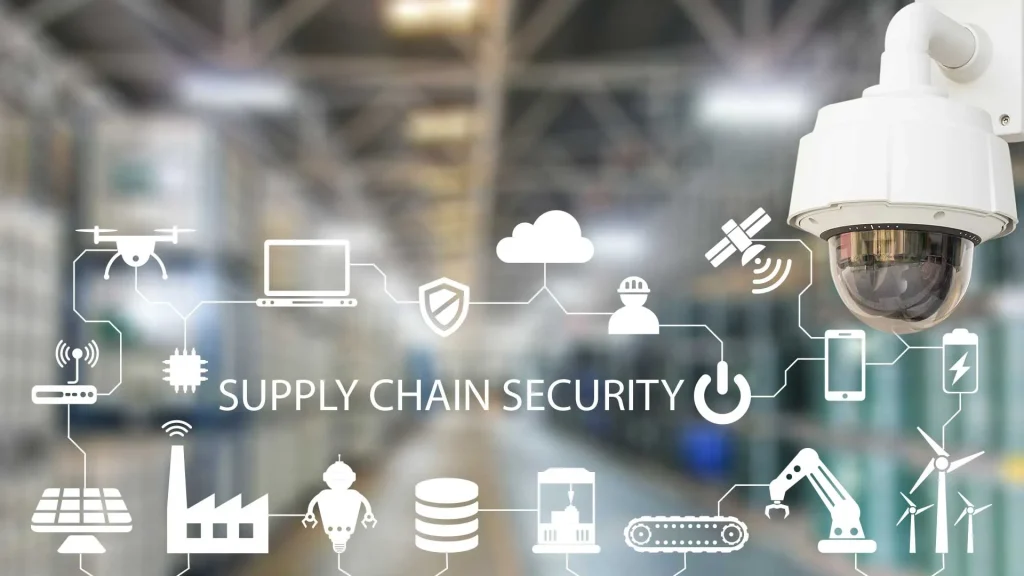
Digital supply chains are vulnerable to cybersecurity threats, including data breaches, ransomware attacks, and operational disruption. Cybersecurity measures, including encrypted communication, multi-factor authentication, and continuous network monitoring, are essential to protect sensitive information and maintain operational continuity. Regular risk assessments, staff training, and collaboration with cybersecurity experts enhance the resilience of technology-driven supply chains along CPEC corridors.
Trade Facilitation and Industrial Growth
Smart supply chains directly support trade facilitation and industrial growth. Efficient movement of goods reduces delivery times, improves reliability, and enhances export competitiveness. Industrial zones benefit from timely delivery of raw materials and components, enabling continuous production and reducing inventory costs. Streamlined logistics networks also attract foreign investment, enhance Pakistan’s regional trade role, and strengthen bilateral commerce with China.
Challenges and Strategic Considerations
While smart supply chains offer significant benefits, challenges remain. High implementation costs, technical complexity, and coordination across multiple stakeholders can impede efficiency. Standardization of technology, interoperability of digital platforms, and alignment with regulatory frameworks are essential for effective operation. Strategic planning, continuous monitoring, and phased implementation ensure that smart supply chains remain reliable, scalable, and resilient in the face of dynamic industrial and trade demands.
Future Outlook
The future of technology-driven supply chains along CPEC includes integration of blockchain for secure transactions, AI-driven predictive maintenance, and autonomous transportation systems. Expansion of IoT networks, digital twins, and cloud-based logistics management will further optimize operations. Continued investment in digital infrastructure, workforce development, and cybersecurity will enhance trade efficiency, industrial productivity, and regional economic integration. Smart supply chains will remain central to Pakistan’s industrial modernization and trade facilitation strategies.
Conclusion
Smart supply chains along CPEC represent the integration of technology, logistics, and industrial modernization to support efficient trade and industrial operations. Digital platforms, automation, predictive analytics, and energy-efficient solutions enhance operational performance, reduce costs, and improve reliability. Workforce development, cybersecurity, and strategic planning ensure that technology-driven supply chains are sustainable and resilient. By optimizing logistics networks, ports, and industrial corridors, smart supply chains strengthen Pakistan’s industrial competitiveness, facilitate bilateral commerce with China, and advance the long-term goals of CPEC.

