
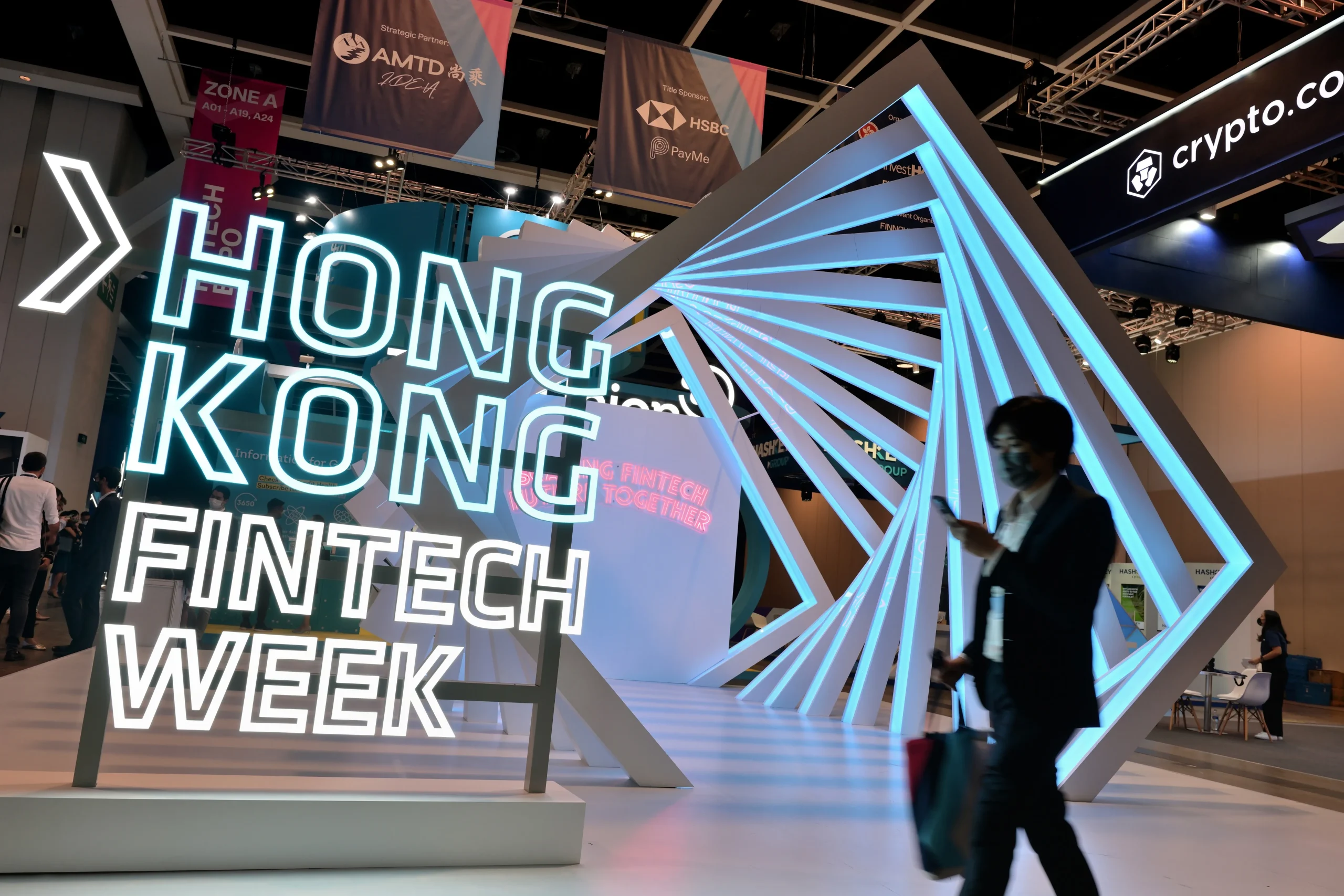
Southeast Asia’s fintech industry has entered a period of explosive expansion, driven by rapid digitalization, supportive regulation, and a young, tech-savvy population. As digital payments, neobanking, and blockchain-based finance reshape the regional economy, Singapore and Hong Kong have emerged as leading fintech hubs vying for influence over Asia’s financial future. According to Bloomberg and Reuters, the combined value of fintech investments in Southeast Asia surpassed $25 billion in 2025, a 32% increase from the previous year. This surge is transforming traditional banking systems and positioning Asia as a global pioneer in financial innovation.
Singapore: The Innovation-First Fintech Model
Singapore has established itself as the innovation and regulatory benchmark for Asia’s fintech ecosystem. The Monetary Authority of Singapore (MAS) continues to drive sector growth through progressive frameworks that balance innovation with stability. MAS introduced new guidelines in 2025 for open banking, digital assets, and embedded finance that make compliance easier for startups without compromising consumer protection.
According to The Straits Times, Singapore is now home to more than 1,400 fintech startups spanning payments, wealthtech, regtech, and insurtech. Notable companies such as Nium, Validus, and Endowus are expanding internationally, supported by the country’s financial infrastructure and tax incentives.
Singapore’s strong digital identity system and cross-border payment initiatives have enhanced financial inclusion across ASEAN. The Project Nexus, launched by MAS and the Bank of Thailand, has successfully linked real-time payment systems across five countries, enabling instant fund transfers using mobile numbers or digital IDs. This integration reinforces Singapore’s position as a financial connectivity hub.
The city-state is also advancing in tokenized assets and blockchain finance. Its Project Guardian, a collaboration between MAS and major global banks, is testing blockchain-based trading of bonds and foreign exchange instruments. The results have attracted interest from other Asian regulators exploring tokenization frameworks.
Hong Kong: The Gateway for Digital Finance and Mainland Integration
Hong Kong’s fintech strategy centers on its proximity to mainland China and access to global capital markets. The Hong Kong Monetary Authority (HKMA) has accelerated fintech licensing and introduced a Digital Asset Framework aligned with the mainland’s evolving regulatory direction.
According to SCMP, Hong Kong’s fintech ecosystem hosts over 900 licensed firms specializing in digital banking, blockchain services, and cross-border payment solutions. The e-HKD pilot program, launched in 2024, entered full implementation this year, enabling blockchain-based retail transactions using the Hong Kong digital dollar.
Hong Kong’s advantage lies in its bridge role between Chinese innovation and international finance. Partnerships with the People’s Bank of China (PBoC) on the mBridge Project allow cross-border settlements between the e-HKD, digital yuan, and other regional currencies. This collaboration has processed transactions worth over $22 billion since its trial phase, according to Reuters.
The city’s robust securities and insurance sectors also complement its fintech growth. Digital insurers such as OneDegree and wealthtech platforms like AQUMON are redefining investment management through AI and algorithmic automation.
ASEAN’s Fintech Expansion Beyond the Hubs
While Singapore and Hong Kong lead, other ASEAN economies are quickly catching up. Indonesia, Vietnam, and the Philippines are becoming regional fintech powerhouses supported by population scale and digital transformation policies.
Indonesia’s Bank Indonesia (BI) has launched the BI-Fast Payment System, connecting 122 banks for instant domestic transfers. The Reuters report notes that transaction volumes on BI-Fast exceeded $250 billion in 2025. Vietnam’s fintech market, valued at $8 billion, is driven by e-wallets such as MoMo and ZaloPay, serving over 50 million users.
The Philippines is focusing on financial inclusion through the Digital Banking Act, which has enabled over 15 million previously unbanked citizens to open mobile-based savings accounts. The Bangko Sentral ng Pilipinas (BSP) aims for 70% financial inclusion by 2026. These developments indicate that Southeast Asia’s fintech growth is expanding beyond financial centers to reach new demographics and rural economies.
Regulatory Innovation and Regional Collaboration
Regulation remains key to sustaining fintech momentum. Both Singapore and Hong Kong have adopted a “regulatory sandbox” approach, allowing startups to test products under supervision before full licensing. This has encouraged risk-managed innovation and reduced the regulatory lag that often hinders emerging technologies.
ASEAN regulators are also increasing cooperation through the ASEAN Fintech Network, which promotes common data protection standards, anti-money laundering protocols, and cybersecurity frameworks. The network facilitates mutual recognition of fintech licenses, allowing companies to operate across borders more efficiently.
The Asian Development Bank (ADB) estimates that digital finance could add nearly $100 billion to ASEAN’s GDP annually by 2030, provided that governments maintain open innovation ecosystems and ensure consumer trust.
Fintech and Cross-Border Payments
A major transformation in 2025 is the rise of cross-border digital payments, reducing dependency on the U.S. dollar in regional transactions. The digital yuan, e-HKD, and Singapore’s PayNow have enabled direct local currency settlements across Asia.
The ASEAN Digital Payments Connectivity Project, led by Singapore and Malaysia, integrates national QR payment systems. According to Bloomberg, the system processes over $15 billion annually in cross-border retail payments.
Blockchain is also becoming a foundation for trade finance. Platforms like Contour and Tradelens, adopted by banks in Singapore and Thailand, are digitizing supply chain finance, cutting processing times by 60%.
Competition and Strategic Alignment
While competition between Singapore and Hong Kong is evident, both hubs are aligning their strategies in key areas. Collaborative projects in digital assets, cybersecurity, and regulatory research show a shared goal of maintaining Asia’s leadership in fintech innovation.
Their coexistence strengthens the region’s financial ecosystem rather than dividing it. Singapore dominates institutional fintech and startup incubation, while Hong Kong leads in cross-border finance and capital market integration. Together, they provide complementary pathways for Asian fintech to scale globally.
Analysts from Nikkei Asia suggest that the rivalry is evolving into “competitive cooperation,” where each city leverages its strengths to attract distinct segments of the fintech industry.
Conclusion
Southeast Asia’s fintech boom in 2025 represents a turning point in the region’s digital economic evolution. With Singapore and Hong Kong setting benchmarks for innovation and regulatory sophistication, the region is emerging as a model for financial modernization.
The combination of youthful demographics, supportive policy, and cross-border collaboration ensures that Southeast Asia will remain one of the fastest-growing fintech markets in the world. As competition drives progress, the coexistence of two financial powerhouses signals a stronger, more interconnected regional financial future.

