
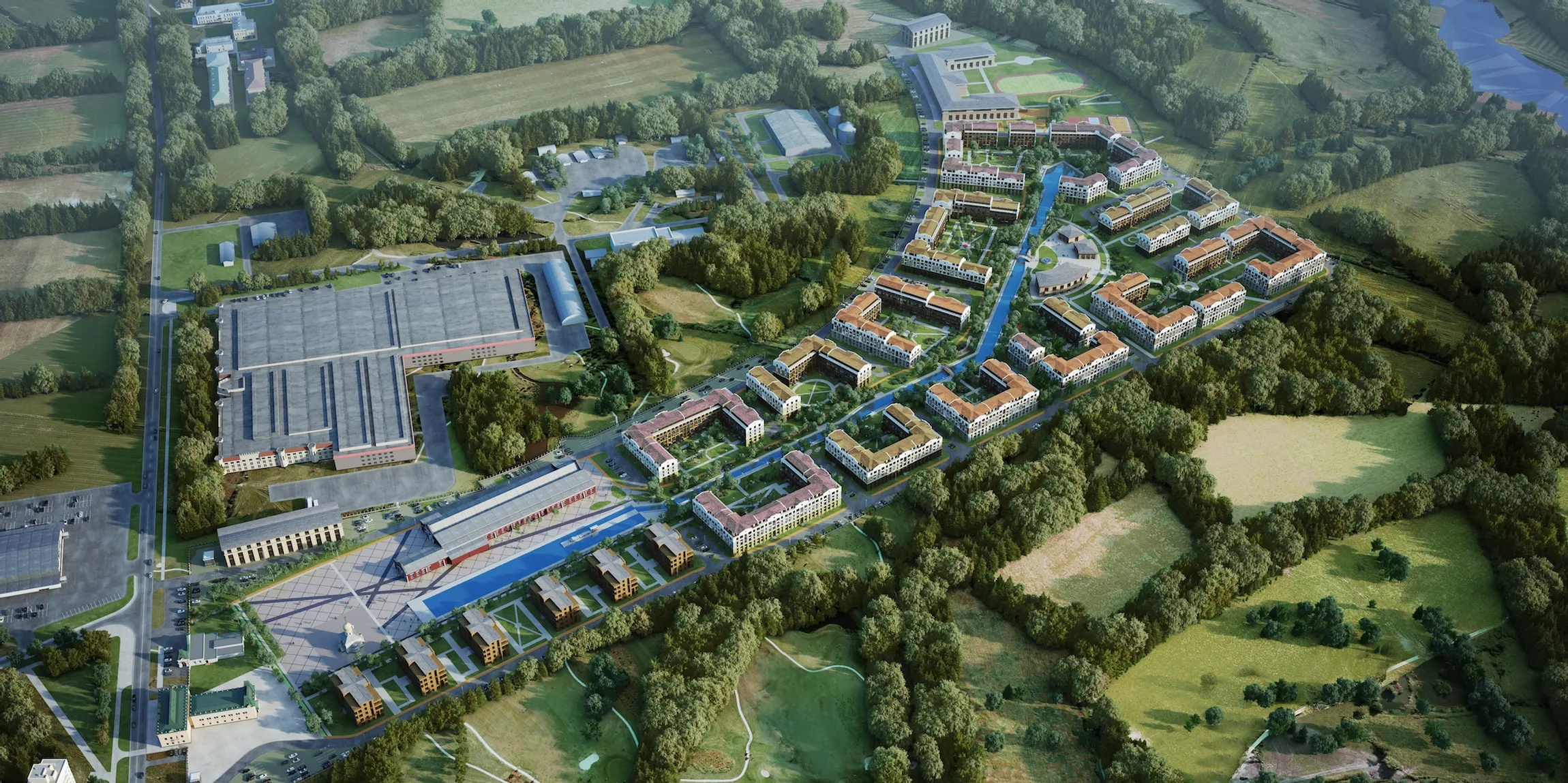
As Pakistan enters the second phase of the China–Pakistan Economic Corridor, the focus has decisively shifted from road-building and power generation to industrialization and job creation. Central to this transformation is the development of Special Economic Zones (SEZs), designed to attract Chinese and international investors, promote manufacturing, and diversify Pakistan’s export base. These SEZs are not only the backbone of CPEC 2.0 but also the foundation of Pakistan’s long-term strategy to reduce trade deficits, strengthen its industrial output, and foster technology transfer. In 2025, as global supply chains adjust to new geopolitical realities, Pakistan’s SEZs offer an opportunity to position the country as a regional production hub connecting South Asia, Central Asia, and the Middle East.
The Strategic Evolution of SEZs under CPEC
The concept of SEZs under CPEC was introduced to move beyond the early phase of infrastructure development toward sustainable economic integration. According to data from the Board of Investment, there are nine approved SEZs under the CPEC framework, with Rashakai, Dhabeji, and Allama Iqbal Industrial City leading the way. These zones are strategically distributed across Pakistan to ensure balanced regional growth and maximize connectivity with key transport corridors.
Rashakai SEZ in Khyber Pakhtunkhwa is emerging as a flagship industrial zone. Jointly developed by the Khyber Pakhtunkhwa Economic Zones Development Company and the China Road and Bridge Corporation, the zone has already attracted over 500 million US dollars in confirmed investment. It focuses on industries such as construction materials, electrical appliances, and food processing. The Dhabeji SEZ in Sindh is positioned near Karachi Port, offering investors logistical advantages for exports. Meanwhile, Punjab’s Allama Iqbal Industrial City is attracting textile, automotive, and chemical manufacturers, capitalizing on the province’s strong infrastructure and labor base.
A report by Nikkei Asia highlights that the SEZs are not merely industrial estates but integrated ecosystems with modern infrastructure, digital connectivity, and one-stop administrative services. These features are designed to minimize bureaucratic delays and provide foreign investors with predictable operational environments. The government’s one-window facilitation portal launched in 2024 ensures that licensing, taxation, and customs processes are handled efficiently through a centralized digital system.
Chinese Investment and Technology Transfer
Chinese firms remain the primary investors in Pakistan’s SEZs, bringing both capital and expertise. Industries ranging from electronics and engineering to textiles and chemicals are being relocated from China to Pakistan due to rising production costs in mainland China. This relocation strategy aligns with Beijing’s goal of moving up the value chain domestically while fostering industrial growth in partner countries.
The China Daily reported that Chinese companies are adopting a “cluster manufacturing” model within Pakistan’s SEZs. For example, in Rashakai, electronics firms are setting up supply-chain networks that connect local small and medium enterprises with Chinese component manufacturers. In Dhabeji, joint ventures in automotive assembly are being planned with companies from both China and South Korea. This approach creates value-added linkages that extend beyond simple import substitution.
Technology transfer is another key advantage of SEZ collaboration. By partnering with local universities and research institutions, Chinese firms are introducing advanced manufacturing technologies and training Pakistani engineers in automation, precision tools, and quality control systems. These initiatives are essential for developing Pakistan’s human capital and enabling it to compete in regional and global markets.
Employment Generation and Local Impact
One of the most significant benefits of SEZs is employment creation. According to the Planning Commission, operational SEZs could generate up to one million jobs over the next decade, directly and indirectly. These opportunities span multiple sectors including manufacturing, logistics, construction, and services. In addition to employment, SEZs stimulate local economies by increasing demand for housing, transport, and retail services.
At the Rashakai SEZ, more than 5,000 jobs have already been created during the construction and early operational phases. Local communities have benefited from vocational training programs designed to enhance technical skills and align them with industrial needs. Similar initiatives are being implemented in Faisalabad, where the Allama Iqbal Industrial City collaborates with universities to provide training in textile technology and industrial management.
The government’s inclusion of local entrepreneurs in SEZ supply chains ensures that the benefits of industrialization are widely distributed. Small and medium enterprises are being encouraged to participate in value chains through partnerships with foreign manufacturers. This approach aims to prevent the economic concentration that has historically limited the benefits of foreign investment in Pakistan.
Challenges of Implementation and Governance
Despite encouraging progress, the development of SEZs faces multiple challenges. Land acquisition delays, inconsistent regulatory frameworks, and inadequate energy infrastructure have slowed project execution. The lack of uniform tax policies across provinces has also created uncertainty for investors.
To address these issues, Pakistan has launched reforms to harmonize SEZ regulations under a unified national framework. The Ministry of Industries and Production, with support from the Board of Investment, has introduced standardized guidelines for land allocation, environmental assessment, and investor protection. Energy supply remains a critical challenge, particularly in regions far from the national grid. The government is prioritizing the integration of renewable energy into SEZs through solar and wind projects financed under CPEC’s green energy portfolio.
Governance is equally important. Transparent management of SEZ incentives is essential to maintain investor confidence and avoid misuse of public resources. Independent oversight committees have been established in each province to monitor project implementation, ensure environmental compliance, and evaluate economic performance. These mechanisms align with international best practices and aim to make SEZs more competitive on a global scale.
Regional and Global Economic Significance
Pakistan’s SEZs are not being developed in isolation but as part of a broader regional strategy to enhance trade connectivity. Their integration with Gwadar Port, motorways, and cross-border logistics routes positions Pakistan as a potential manufacturing and re-export hub linking South Asia, Central Asia, and the Middle East.
According to Dawn, several Central Asian countries, including Uzbekistan and Kazakhstan, have expressed interest in using CPEC-linked SEZs for re-exporting goods to global markets. The strategic location of Pakistan along the Arabian Sea offers access to international shipping lanes, providing an alternative trade route for landlocked nations. This regional integration could significantly increase Pakistan’s trade volume and foreign exchange earnings.
Global investors are also beginning to take notice. Multinational corporations from Turkey, South Korea, and the United Arab Emirates are exploring partnerships in Pakistan’s industrial zones. The inclusion of third-country investors could diversify the financial base of CPEC and reduce overdependence on Chinese funding. For Pakistan, attracting a mix of Asian and Middle Eastern partners could strengthen economic resilience and enhance its credibility as a regional industrial player.
Environmental and Social Sustainability
CPEC’s second phase places strong emphasis on sustainability, and the SEZs are a test case for green industrialization. The Dhabeji SEZ has introduced waste recycling and renewable energy systems to minimize its carbon footprint. In Punjab, the Allama Iqbal Industrial City is piloting the use of solar power for industrial operations. Environmental impact assessments are now mandatory before project approvals, ensuring compliance with global sustainability standards.
Social development is equally central to the SEZ strategy. Infrastructure improvements in healthcare, education, and housing are being implemented around SEZs to accommodate the growing workforce. Public-private partnerships are funding vocational institutes, while microfinance schemes are supporting local entrepreneurship. These efforts aim to make SEZ-driven growth inclusive, ensuring that development benefits extend beyond industrial zones to surrounding communities.
Conclusion
The establishment of Special Economic Zones under CPEC marks a defining shift in Pakistan’s economic trajectory. Moving from dependency on infrastructure loans to an investment-led growth model, SEZs offer a pathway toward sustainable industrialization, job creation, and export diversification. If effectively managed, they can help Pakistan integrate into global supply chains and transition from a consumption-driven economy to a production-based one.
The success of SEZs, however, will depend on governance, infrastructure reliability, and regulatory consistency. Pakistan must maintain investor confidence through transparency and accountability while ensuring that industrial expansion aligns with environmental and social priorities. CPEC’s SEZs embody the promise of a modern, diversified economy one that can harness both Chinese partnership and regional cooperation to redefine the country’s role in global trade.

