
How the world’s factory adapts to disruption and decoupling.
Pandemic Shockwaves
COVID-19 exposed fragility of global supply chains. Lockdowns in Wuhan and later across China disrupted flow of components, halting factories from Detroit to Dhaka. Shortages of masks, semiconductors, and shipping containers revealed how dependent world was on Chinese production. For Beijing, the crisis was both warning and opportunity: resilience had to become central to industrial strategy.
Dual Circulation Strategy
In 2020, China introduced “dual circulation” model, emphasizing domestic demand while maintaining global trade links. The goal was to reduce vulnerability to external shocks and geopolitical risks. By strengthening internal consumption and technology supply chains, Beijing sought to ensure that disruptions abroad would not derail growth. At same time, exports remained crucial to foreign exchange and employment.
Shifts in Manufacturing
Manufacturers diversified within China itself. Coastal hubs like Guangdong faced rising costs, so production moved inland to provinces such as Sichuan and Henan. This “China plus inland” strategy kept supply chains within national borders while spreading development. At same time, firms invested in automation, robotics, and smart factories to reduce reliance on vulnerable labor flows.
Logistics and Infrastructure
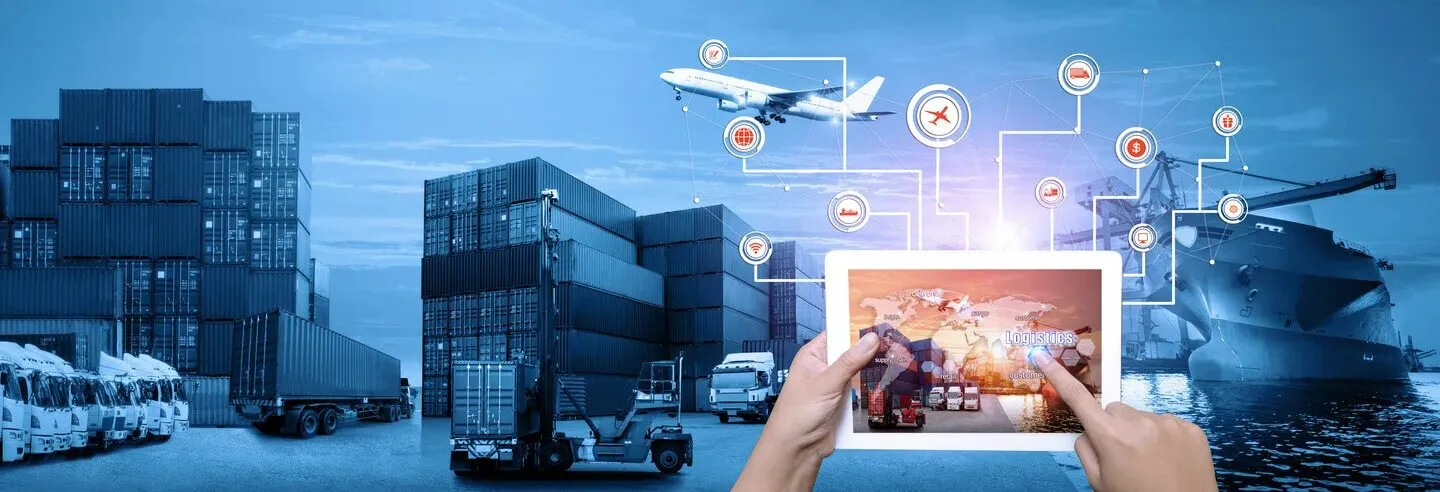
China doubled down on logistics resilience. New highways, high-speed rail cargo lines, and expanded ports accelerated flows. Digital platforms using AI tracked shipments in real time, while e-commerce giants like JD built automated warehouses. Investments in cold chain logistics supported food security, ensuring stable supplies even in emergencies. These upgrades modernized backbone of global trade.
Geopolitical Pressures
Trade wars and export controls added new urgency. U.S. restrictions on semiconductors and strategic technologies forced China to seek alternatives. Supply chain resilience became matter of national security, not just economics. Beijing promoted indigenous innovation, from chip design to pharmaceutical production. Partnerships with Belt and Road countries diversified sources of raw materials and markets.
Friend-Shoring and Decoupling
Meanwhile, Western firms pursued “China plus one” strategies, shifting some production to Vietnam, India, or Mexico. Yet few fully decoupled, as China’s scale, infrastructure, and skilled workforce remain unmatched. Many firms now balance risk by diversifying suppliers while retaining core operations in China. The result is not exodus but recalibration, where China remains central but no longer sole hub.
Digital Supply Chains
Resilience also means data. Platforms integrating blockchain, cloud, and AI improve transparency from factory to consumer. Companies track origins of goods, compliance with standards, and real-time disruptions. The state encourages digitalization as way to reduce uncertainty and strengthen trust in supply chains. This digital transformation positions China as innovator in logistics as well as manufacturer.
Environmental and Social Dimensions
Resilience now includes sustainability. Carbon neutrality targets require greener supply chains. Firms adopt renewable energy, reduce emissions, and improve recycling. Social dimensions matter too: treatment of workers, particularly in crisis, affects reputation. Balancing resilience with ethics and environment reflects shift in global standards, with China seeking to lead rather than lag.
The Road Ahead
China’s supply chain resilience will be tested by future pandemics, geopolitical rivalry, and climate shocks. Its response shows adaptability: investing in inland regions, upgrading logistics, digitalizing processes, and pushing for self-reliance in strategic sectors. Yet global interdependence ensures that resilience cannot mean isolation. Instead, China seeks role as indispensable hub in multipolar system of trade.
Conclusion: Adapting the Factory of the World
China’s supply chain story is a lesson in adaptation. Pandemic disruptions, trade wars, and shifting politics forced a rethink of strategies built over decades. The result is not collapse but transformation, where resilience becomes as valuable as efficiency. Whether the world sees this as reassurance or rivalry, China’s factory of the world is rebuilding itself for an uncertain future.

