

The industrial collaboration between Pakistan and China under the China-Pakistan Economic Corridor (CPEC) is transforming Pakistan’s manufacturing, energy, and logistics sectors. Bilateral cooperation combines infrastructure development, industrial modernization, trade facilitation, and technological transfer. Looking forward, the trajectory of this partnership will significantly influence regional economic integration, investment flows, and workforce development. Understanding emerging trends, challenges, and opportunities provides insights into how Pakistan-China industrial collaboration will shape the future of CPEC and the broader regional economy.
Strengthening Special Economic Zones
Special Economic Zones (SEZs) are the cornerstone of Pakistan-China industrial collaboration. These zones, strategically located along CPEC corridors, support manufacturing, logistics, and industrial services. Future development will likely focus on further integration of industrial automation, smart manufacturing, and renewable energy systems. Chinese technical expertise and investment will enhance SEZ capabilities, enabling Pakistan to meet international standards and improve export competitiveness. Expansion and modernization of SEZs will drive industrial growth and attract foreign investment, reinforcing Pakistan’s role as a regional manufacturing hub.
Integration of Advanced Manufacturing Technologies
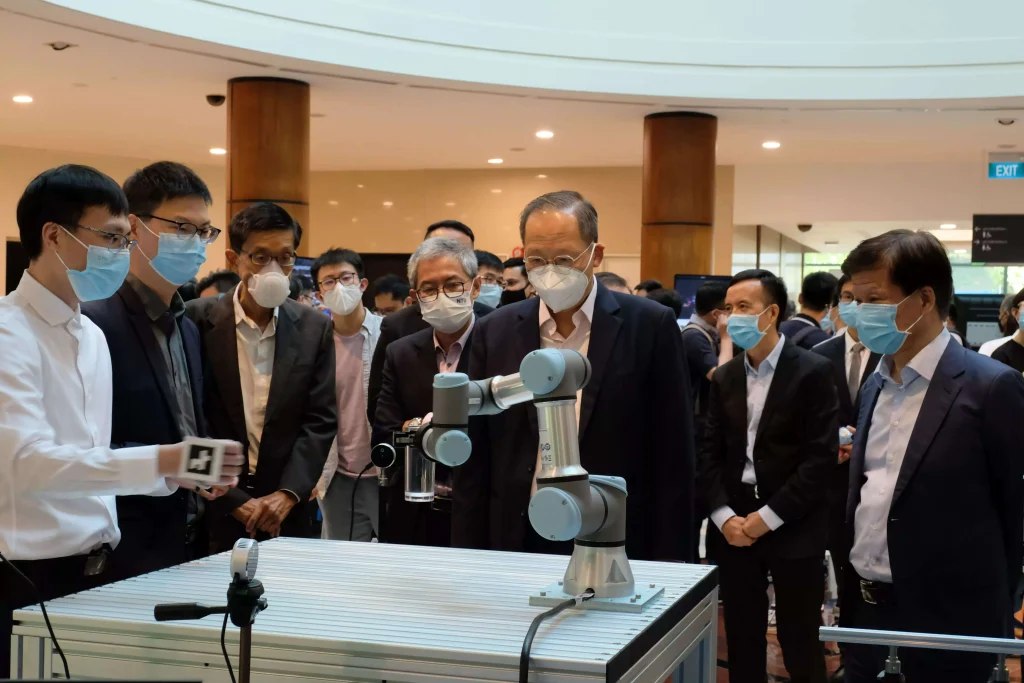
The adoption of advanced manufacturing technologies will be central to future collaboration. Robotics, AI-driven production lines, and digital supply chain management systems will enhance efficiency, reduce operational costs, and improve product quality. China’s experience in smart manufacturing and Industry 4.0 provides critical knowledge transfer to Pakistani industries. These technologies will allow Pakistan to increase industrial output, diversify production capabilities, and position itself as a competitive partner in global trade networks.
Renewable Energy and Sustainable Industrialization
Energy security is vital for industrial growth, and renewable energy integration is a major focus of Pakistan-China collaboration. Future projects will likely include solar, wind, and hydroelectric initiatives to power industrial zones and logistics hubs. Integration of smart grids and energy management systems ensures reliable electricity supply, reduces operational costs, and minimizes environmental impact. Sustainable energy adoption supports industrial modernization while aligning with global climate objectives, enhancing the credibility and attractiveness of Pakistan’s industrial corridors.
Trade Facilitation and Logistics Optimization
Efficient logistics and trade facilitation remain critical for industrial collaboration. CPEC corridors, including Gwadar Port and the Karachi-Peshawar transport network, will continue to be modernized with automation, digital tracking, and predictive analytics. Improved cargo handling, reduced transit times, and integrated customs procedures will support faster and more reliable trade between Pakistan and China. These enhancements strengthen bilateral commerce, increase trade volumes, and expand regional market access.
Investment Trends and Financing
Chinese investment in Pakistan’s industrial and logistics projects will continue to expand. Financing for SEZs, energy infrastructure, and digital logistics will enable long-term industrial development. Innovative financial mechanisms, including joint ventures and project-specific funding, ensure that projects are executed efficiently and sustainably. Continuous monitoring of investment trends allows policymakers and industry leaders to anticipate opportunities, mitigate risks, and align resources for maximum impact.
Workforce Development and Skills Transfer
A skilled workforce is essential for sustainable industrial collaboration. Future initiatives will emphasize technical training, certification programs, and knowledge transfer from Chinese experts to Pakistani engineers, technicians, and managers. Workforce development ensures that industrial automation, smart manufacturing, and digital systems operate effectively. Enhancing local capabilities strengthens the long-term resilience of industrial zones, supports employment growth, and creates opportunities for innovation.
Technological Innovation and Collaboration
Technological cooperation between Pakistan and China will expand beyond manufacturing to include smart logistics, digital finance, and renewable energy management systems. Joint research initiatives, innovation hubs, and industrial incubators are likely to emerge along CPEC corridors. These programs facilitate knowledge sharing, foster innovation, and enhance industrial competitiveness. Collaboration on technology adoption positions Pakistan as a forward-looking industrial partner capable of leveraging advanced systems for sustainable growth.
Challenges and Strategic Considerations
Future industrial collaboration must address challenges, including infrastructure maintenance, cybersecurity, and regulatory alignment. Political stability, security concerns, and environmental sustainability also influence project outcomes. Strategic planning, transparent governance, and continuous monitoring are essential to ensure that industrial modernization efforts remain efficient, safe, and resilient. Addressing these challenges proactively will reinforce investor confidence, protect trade flows, and ensure sustainable industrial growth along CPEC corridors.
Regional and Global Implications
The Pakistan-China industrial partnership has significant regional and global implications. Strengthened industrial capabilities support regional trade integration, facilitate bilateral commerce, and enhance competitiveness in global markets. Efficient industrial corridors, modernized SEZs, and reliable logistics networks attract international investment and encourage collaboration with other emerging economies. Pakistan’s industrial modernization under CPEC also contributes to China’s broader Belt & Road objectives, demonstrating the strategic importance of regional economic cooperation and infrastructure-led growth.
Conclusion
The future of Pakistan-China industrial collaboration is poised for expansion, modernization, and technological advancement. Integration of SEZs, advanced manufacturing, renewable energy, and digital logistics will enhance efficiency, trade facilitation, and regional economic integration. Investment, workforce development, and technology transfer will drive sustainable industrial growth, creating employment opportunities and strengthening Pakistan’s global competitiveness. Addressing challenges through strategic planning and risk mitigation ensures that industrial collaboration remains resilient and productive. As CPEC continues to evolve, Pakistan-China industrial cooperation will play a central role in shaping the region’s economic landscape, promoting sustainable development, and advancing bilateral and regional prosperity.

