
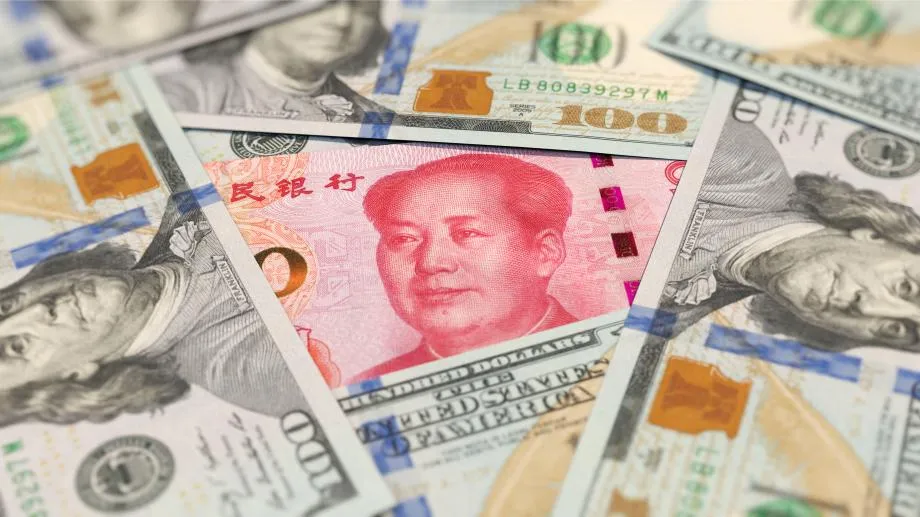
China’s currency, the yuan, is steadily moving from regional trade usage toward becoming a global settlement medium. In 2025, data from the Society for Worldwide Interbank Financial Telecommunication shows that yuan payments accounted for nearly five percent of global transactions, up from less than two percent five years ago. This trend reflects a deliberate Chinese strategy to expand the renminbi’s international role and reduce dependence on the U.S. dollar.
The internationalization of the yuan carries deep implications for developing economies such as Pakistan. As Beijing broadens its financial reach through the Belt and Road Initiative, partner countries are increasingly settling trade in yuan rather than dollars. For Pakistan, which relies heavily on Chinese imports and investment, this shift could reshape external financing, exchange-rate management, and monetary policy in the coming decade.
Global momentum behind the yuan
The expansion of yuan settlements is the product of consistent Chinese policy rather than a sudden market reaction. Over the past decade, Beijing has built the institutional infrastructure needed to support cross-border use of its currency. Offshore clearing banks in more than 25 countries, swap agreements with over 40 central banks, and digital yuan pilots have all strengthened international confidence.
In energy trade, the progress is visible. Several Middle Eastern producers now price part of their oil sales to China in yuan. The People’s Bank of China has also signed currency swap arrangements with Gulf states and Asian partners to facilitate liquidity. These mechanisms reduce transaction costs and provide countries facing dollar shortages with an alternative settlement system.
While the yuan still trails the dollar and euro, its steady adoption demonstrates that multipolar finance is becoming reality. Nations seeking insulation from geopolitical pressure increasingly prefer diversified payment options.
Implications for Pakistan’s external accounts
Pakistan’s trade with China exceeds twenty-five billion dollars annually, but most transactions remain dollar-denominated. This dependence exposes Pakistan to exchange-rate volatility and dollar liquidity constraints. The introduction of yuan-based settlement mechanisms offers an opportunity to reduce these pressures.
In 2024, Pakistan and China operationalized a bilateral currency-swap agreement worth fifteen billion yuan. Several Pakistani banks now issue yuan letters of credit for imports of machinery, chemicals, and raw materials. Early results suggest a modest decline in dollar demand and smoother payment cycles for exporters.
Economists argue that broader adoption of the yuan could help stabilize Pakistan’s balance of payments. However, they caution that such benefits depend on transparent pricing, market liquidity, and the ability to hedge currency risk. Without these safeguards, exposure to a single non-convertible currency could introduce new vulnerabilities.
Regional developments accelerating change
Beyond Pakistan, neighboring countries are also experimenting with yuan settlements. Bangladesh, Laos, and the United Arab Emirates have established RMB clearing arrangements. The use of China’s digital currency, the e-CNY, in pilot transactions across Asia has further boosted efficiency and traceability.
Pakistan’s participation in these networks will determine its access to new financial ecosystems emerging under the Belt and Road. The mBridge platform, connecting the central banks of China, Thailand, the UAE, and Hong Kong, demonstrates how digital settlements can bypass traditional intermediaries. Pakistani regulators have expressed interest in joining future phases once technical standards are harmonized.
Shifting patterns of reserve management
As the yuan’s role expands, central banks are diversifying their foreign-exchange reserves. The International Monetary Fund’s latest survey indicates that nearly three percent of global reserves are now held in yuan assets. For developing countries, holding RMB bonds provides both returns and strategic flexibility.
Pakistan currently maintains a small yuan reserve portfolio, mainly through the swap line with China. Expanding these holdings could cushion against dollar scarcity, especially during periods of capital outflow. However, policymakers must ensure that diversification enhances, rather than compromises, liquidity. The yuan’s limited convertibility means that large-scale liquidation may still require coordination with Chinese authorities.
Impact on global dollar dominance
The dollar remains the foundation of global trade and finance, but its share is gradually eroding. Rising U.S. fiscal deficits, politicization of sanctions, and the emergence of alternative payment systems have encouraged diversification. The yuan’s ascent does not signal the dollar’s collapse but represents the evolution toward a multi-currency order.
In this environment, Pakistan and other emerging economies gain bargaining space. They can conduct trade with multiple partners without full exposure to dollar-driven interest-rate cycles. Yet the shift also reduces the discipline that dollar scarcity once imposed, making prudent fiscal management even more essential.
Financial technology as an enabler
China’s financial-technology ecosystem has played a critical role in the yuan’s rise. Digital platforms allow instant settlements and reduce dependency on correspondent banks. In Pakistan, Chinese fintech companies are integrating yuan-based payment systems with local banking networks.
Mobile wallets and blockchain-enabled trade finance platforms enable small exporters to receive payments directly in RMB, avoiding costly conversions. The State Bank of Pakistan is testing blockchain-linked settlement systems to connect domestic banks with Chinese clearinghouses.
If successful, these systems will not only cut transaction costs but also increase transparency and security in trade finance, supporting the government’s goal of reducing informal cash-based trade.
The policy dilemma for Pakistan
Wider use of the yuan creates both opportunities and constraints for Pakistan’s monetary policy. On the positive side, it reduces dependency on the dollar and broadens access to liquidity. On the downside, it limits the central bank’s control over exchange-rate dynamics because the yuan is managed under China’s monetary policy framework.
The challenge is to balance diversification with autonomy. Relying too heavily on RMB settlements could expose Pakistan to interest-rate shifts and regulatory decisions made in Beijing. Maintaining a diversified currency basket remains the safest approach.
The government’s foreign-exchange strategy now emphasizes mixed settlements, combining dollars, euros, and yuan to minimize volatility. Economists recommend building expertise in currency-risk management and developing forward-exchange markets to support exporters trading in RMB.
Global ripple effects and partnerships
China’s growing financial influence is altering alliances. The ASEAN bloc, Middle East exporters, and African partners are adopting RMB payment systems to reduce dollar exposure. For Pakistan, integration into this ecosystem can strengthen its role as a connector between East Asia and the Gulf.
Participation in the Belt and Road’s financial architecture could also improve Pakistan’s credit access for infrastructure and green-energy projects. However, transparency will be essential to reassure Western partners and rating agencies that yuan financing does not conceal new liabilities.
The next step may involve establishing an RMB clearing bank in Karachi or Islamabad, allowing local businesses to settle directly without routing through Hong Kong or Shanghai. Negotiations on this facility are reportedly in progress.
Conclusion:
The internationalization of the yuan will not overturn the global financial system overnight. It will proceed incrementally as more countries adopt RMB settlements for specific sectors such as energy, commodities, and machinery.
For Pakistan, early participation offers strategic advantages. Lower transaction costs, faster payments, and diversified reserves can enhance resilience. Yet policymakers must ensure that economic engagement remains balanced and transparent.
The long-term outcome will depend on confidence. If China maintains financial stability and openness while partners like Pakistan implement sound governance, the yuan could emerge as a credible complement to the dollar, creating a more balanced and multipolar financial order.

