
China and Pakistan are deepening their cultural diplomacy through a new wave of tourism and heritage cooperation projects launched in 2025. From restoring ancient Silk Road landmarks to promoting eco-tourism in mountain regions, the two nations are using culture and travel as instruments of mutual understanding. These initiatives, part of the China–Pakistan Cultural Corridor, highlight a shared commitment to preserving history while building bridges through sustainable tourism and cultural innovation.
Reviving the Silk Road Connection
The historic Silk Road once linked the civilizations of China and the Indus Valley through trade, art, and philosophy. Today, both nations are reviving this connection through modern infrastructure and cultural tourism. According to The Diplomat, China and Pakistan have signed a Joint Heritage Conservation Agreement to restore archaeological sites such as Taxila, Mohenjo-Daro, and the ancient Buddhist ruins of Swat.
Chinese conservation experts from Dunhuang and Xi’an are collaborating with Pakistani archaeologists to digitize ancient manuscripts, 3D-scan artifacts, and create virtual reality exhibits. These projects will soon be showcased at the Pakistan–China Museum of Civilization Exchange, scheduled to open in Islamabad later this year. The initiative not only preserves shared heritage but also makes it accessible to global audiences through immersive technology.
Eco-Tourism and Cultural Infrastructure
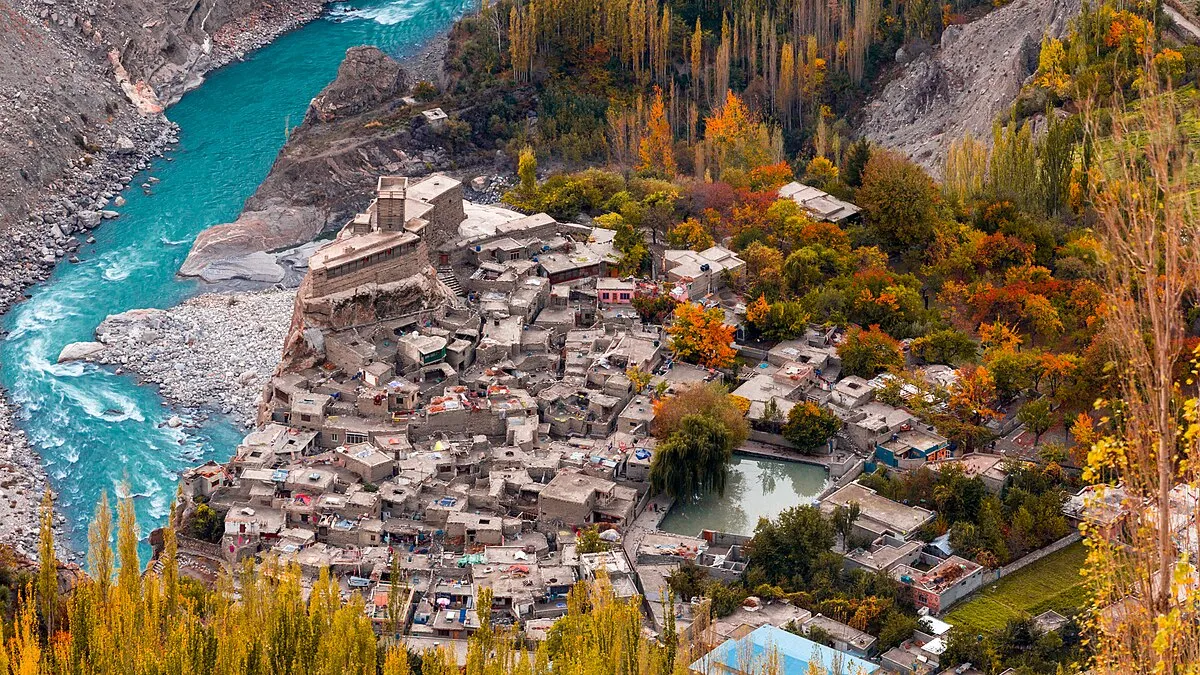
Tourism development under the Belt and Road Initiative (BRI) is shifting toward sustainability. Reuters reports that China has funded several eco-tourism projects in Pakistan’s northern regions, including Hunza, Gilgit, and Skardu, focusing on clean energy lodges and digital visitor centers. These initiatives aim to balance tourism growth with environmental preservation.
The China–Pakistan Green Tourism Plan 2025–2030 promotes electric transport for visitors, plastic-free zones, and digital ticketing systems powered by Chinese technology firms. Local communities benefit through employment opportunities and training programs in hospitality, environmental management, and cultural tourism entrepreneurship.
Promoting Cultural Festivals and Exchanges
Cultural festivals remain a cornerstone of bilateral engagement. According to CGTN, the annual Pakistan–China Friendship Cultural Festival now rotates between Beijing, Lahore, and Kashgar, featuring joint performances, handicraft exhibitions, and film screenings. Traditional art forms — such as Chinese calligraphy and Pakistani miniature painting are showcased alongside contemporary music and cinema collaborations.
In 2025, the festival introduced the Crossroads Film Showcase, a new platform that celebrates co-produced documentaries and youth-led short films focusing on identity, sustainability, and migration. These cultural interactions not only attract audiences but also foster empathy and creative collaboration between young artists from both nations.
Digital Tourism and Smart Heritage Platforms
Technology is redefining how visitors experience heritage. SCMP notes that the Smart Heritage Alliance, a collaboration between Pakistan’s Ministry of Culture and China’s National Cultural Heritage Administration, has launched mobile apps offering virtual tours of landmarks along the ancient Silk Road. Using AI translation, augmented reality, and geolocation features, travelers can explore heritage sites with real-time historical context.
The apps also integrate e-ticketing and smart safety systems, allowing users to plan eco-friendly travel routes. These digital platforms are part of a broader effort to make cultural tourism accessible, inclusive, and sustainable for both domestic and international audiences.
Community Engagement and Local Empowerment
A key element of the cultural collaboration is community involvement. Dawn reports that heritage restoration projects in Swat and Skardu now employ hundreds of local artisans, engineers, and tour guides. Training programs run by Chinese cultural experts teach advanced restoration techniques, ensuring that Pakistan develops its own skilled workforce for heritage conservation.
Women-led enterprises have also benefited from the tourism boom. Handicraft cooperatives supported by the China–Pakistan Cultural Exchange Fund are exporting traditional products such as embroidered shawls, pottery, and gemstone jewelry to Chinese markets. This inclusive approach combines heritage preservation with economic empowerment.
Strategic and Diplomatic Dimensions
Beyond tourism, these initiatives carry significant diplomatic value. Xinhua emphasizes that cultural cooperation enhances mutual trust and complements the economic goals of CPEC. By promoting people-to-people exchanges, China and Pakistan are countering stereotypes and strengthening the human dimension of their strategic partnership.
The China–Pakistan Tourism Year 2025 is expected to attract record tourist flows between the two nations, supported by new direct flights, simplified visa policies, and bilingual tourism infrastructure. These efforts position Pakistan as a gateway for Chinese tourists exploring South Asia and open new opportunities for cross-cultural entrepreneurship.
Conclusion
The revival of tourism and cultural heritage cooperation between China and Pakistan reflects a shared vision of sustainable development and mutual understanding. Through restoration, digital innovation, and community engagement, both nations are preserving their past while building cultural bridges for the future. The initiatives launched in 2025 showcase how heritage can serve as a foundation for peace, economic growth, and friendship. As visitors walk the new Silk Road both physically and digitally, they are not just exploring landscapes but rediscovering centuries of connection and collaboration.

