
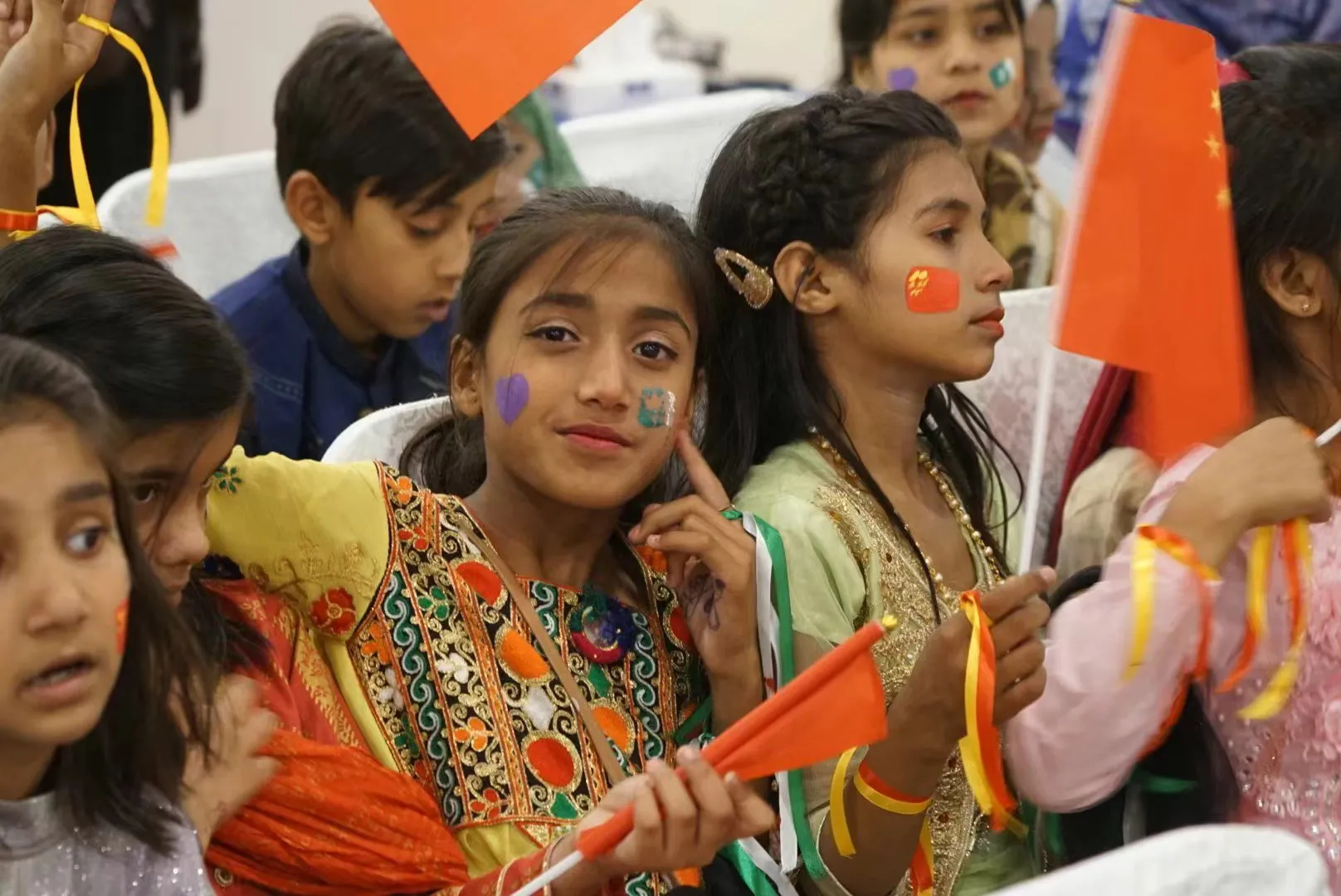
Across Pakistan, a growing number of young people are discovering Chinese cultural festivals with a level of enthusiasm that reflects the deepening relationship between the two countries. What began as official exchanges and institutional cooperation has gradually evolved into a vibrant cultural curiosity. Social media is filled with videos of students celebrating the Chinese New Year, decorating campuses with lanterns, and learning traditional art forms. These young Pakistanis are drawn to a blend of rich heritage and modern creative expression that Chinese festivals offer.
Universities and cultural centers have played a major role in promoting these celebrations. Students often describe Chinese festivals as a window into a different world, yet one that feels familiar because of shared Asian values, respect for family and appreciation for symbolic traditions. As cultural interaction grows the bond between Chinese festivals and Pakistani youth becomes stronger each year.
Chinese New Year becomes a youth driven celebration
Chinese New Year has become the most widely recognized Chinese festival in Pakistan. Young people enjoy the vibrant atmosphere, the symbolic meaning of the zodiac year and the aesthetic appeal of lanterns, red decorations and calligraphy banners. Many students participate in campus events where they learn how to write traditional greetings, taste Chinese food and explore the mythology behind the festival.
The festival’s message of renewal, good fortune and positivity resonates deeply with Pakistani youth. Social media challenges such as showcasing traditional outfits, performing dragon dances or preparing symbolic dishes have further popularized the celebration. Influencers highlight how Chinese New Year encourages reflection, unity and gratitude values that align with cultural traditions in Pakistan.
The involvement of cultural institutes such as the Confucius Institutes has also helped by offering workshops and collaborative events. Pakistani students often take pride in showcasing their understanding of Chinese customs, which creates a shared sense of cultural appreciation.
Mid Autumn Festival finds a home among students
The Mid Autumn Festival is another event gaining popularity, particularly among university communities. Young Pakistanis are increasingly drawn to the poetic nature of the festival, centered on themes of reunion, gratitude and admiration for the full moon.
Mooncake tasting sessions have become a highlight of Mid Autumn celebrations. Students often express excitement about trying different flavors and learning about the symbolism behind these traditional desserts. The lantern making workshops attract creative minds who enjoy crafting colorful designs that reflect both Chinese aesthetics and local artistic influences.
Many students connect the festival’s emphasis on family gatherings with similar traditions in Pakistan, creating a sense of shared cultural identity. The blend of art, storytelling and symbolism appeals to a generation that values meaningful experiences.
Youth embrace cultural arts and creative expression
Beyond festivals Pakistani youth are actively engaging with Chinese artistic traditions. Calligraphy classes attract students who appreciate the discipline and elegance of brushwork. Tea culture demonstrations spark interest in the philosophy behind Chinese tea preparation. Some young people have even begun exploring traditional dance forms and musical instruments through online tutorials and community groups.
What makes this cultural engagement unique is its combination of tradition and modernity. Young people celebrate Chinese festivals while using digital tools, social media trends and contemporary design ideas to reinterpret them. For many this blend represents a modern Asian identity shaped by cultural exchange and regional connectivity.
Strengthening people to people ties across borders
The growing enthusiasm among Pakistani youth for Chinese festivals reflects more than just curiosity. It signals a new chapter in cultural diplomacy where meaningful interaction happens at the grassroots level rather than only through official channels. Young people who participate in these festivals often develop a deeper interest in Chinese history, language and lifestyle. Some pursue scholarships while others participate in student exchange programs that further strengthen bilateral relations.
Chinese visitors and students studying in Pakistan have also noticed the welcoming atmosphere. Shared celebrations foster mutual respect and understanding, allowing friendships to grow naturally. These interactions build the cultural foundation needed for long term cooperation in education, technology, trade and tourism.
As cultural festivals gain popularity across Pakistan they contribute to a broader narrative of peaceful engagement and shared Asian heritage. Young people are not only celebrating Chinese traditions but are also reshaping the cultural landscape of Pakistan in a way that encourages global openness while preserving local identity.
A future shaped by cultural harmony
The embrace of Chinese festivals by young Pakistanis highlights the evolving relationship between the two countries. Cultural exchange has become a powerful connector that encourages understanding beyond political and economic ties. As more youth participate in these celebrations the cultural bond is likely to grow stronger.
Pakistani students see Chinese festivals not as foreign events but as opportunities to learn, collaborate and celebrate the diversity of the region. Their enthusiasm shows that the future of China Pakistan relations will be shaped not only by strategic projects but by shared cultural experiences that bring communities closer.

