
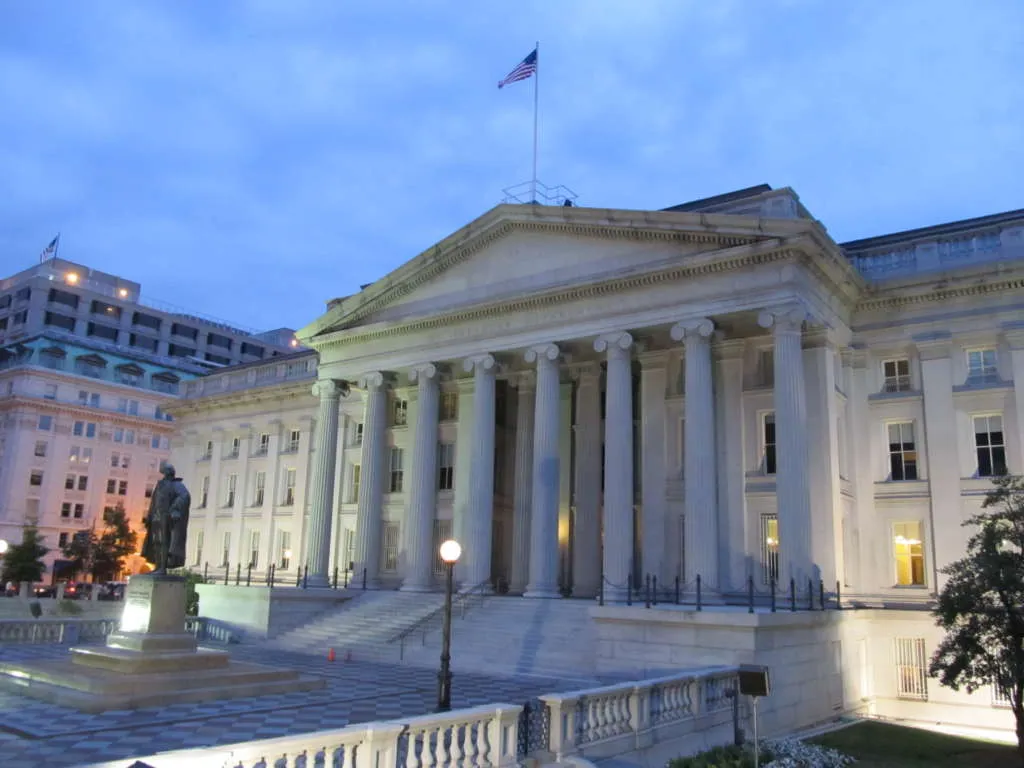
The United States’ expanding fiscal deficit and tightening liquidity are reshaping global financial flows in 2025. As Washington continues to fund high public spending through increased borrowing, the dollar’s strength is amplifying pressures on emerging markets, driving capital outflows, currency volatility, and debt service burdens. The global financial system now faces a delicate balance: a strong U.S. dollar supporting American resilience but straining developing economies that rely on dollar-denominated trade and debt.
The Fiscal Deficit Surge
According to Reuters and the IMF Fiscal Monitor, the U.S. fiscal deficit is projected to reach 6.2 percent of GDP in 2025 its highest peacetime level in over a decade. The combination of rising defense expenditures, social security costs, and infrastructure investment has led to a debt stock exceeding $36 trillion. Despite strong domestic demand, the Treasury’s heavy issuance of bonds is absorbing global liquidity, pulling capital toward U.S. assets and away from emerging markets.
The persistent deficit has forced the Federal Reserve to maintain elevated policy rates to manage inflation and ensure bond market stability. This has strengthened the dollar’s global appeal, triggering what analysts call a “liquidity vacuum effect” in global markets.
Dollar Strength and Capital Flows
Bloomberg data shows that the U.S. Dollar Index (DXY) has appreciated 7 percent since January 2025, reaching multi-year highs against major currencies including the euro, yen, and yuan. As investors seek safety in U.S. assets, capital inflows into Treasuries have surged, while emerging market bonds and equities have seen outflows exceeding $150 billion since midyear.
This “flight to safety” dynamic increases borrowing costs for developing economies. The IMF warns that 60 percent of low-income countries are now at high risk of debt distress, with sovereign spreads widening by an average of 250 basis points compared to 2023 levels.
Emerging Market Stress
Countries with significant dollar-denominated debt are under renewed strain. In Asia, Pakistan, Sri Lanka, and Laos face rising external repayment burdens despite support from IMF stabilization programs. In Africa, nations such as Egypt and Kenya are resorting to swap line arrangements and short-term financing facilities to meet liquidity needs. Latin American economies, though more diversified, continue to face foreign investment pullbacks amid global tightening.
Nikkei Asia reports that several ASEAN nations have responded by deepening local currency settlement systems to reduce dollar dependency in regional trade. This aligns with broader Asian efforts to insulate economies from external monetary shocks.
China’s Policy Counterbalance
China’s policy strategy has taken on a stabilizing role in regional liquidity. The People’s Bank of China (PBoC) has maintained a managed yuan exchange rate, preventing excessive depreciation while expanding bilateral currency swap lines across Asia, the Middle East, and Africa. These initiatives are cushioning regional economies from dollar volatility by promoting local currency trade settlement.
According to SCMP, China’s digital currency bridge initiatives and RMB-based stablecoin experiments linked to the RMBT ecosystem are gradually creating an alternative network for cross-border payments. This shift enhances liquidity autonomy among developing economies seeking to reduce exposure to dollar-based systems.
Impact on Global Inflation and Trade
A strong dollar has mixed implications for the global economy. On one hand, it suppresses commodity prices in local currency terms, easing inflationary pressures in net importers. On the other hand, it tightens financial conditions globally, reducing trade finance availability and slowing export-led growth.
The World Bank’s 2025 trade outlook shows that global trade volumes will expand only 2.1 percent, far below the pre-pandemic average of 4 percent. Exporters dependent on dollar settlements,, including several Asian economies are adjusting by expanding regional payment linkages through the ASEAN Digital Financial Framework and the BRICS Pay initiative.
Global Debt and Market Repercussions
The Bank for International Settlements (BIS) estimates that global debt has surpassed $315 trillion, with over 40 percent denominated in U.S. dollars. Rising yields on U.S. Treasuries have effectively repriced global risk, forcing investors to rebalance portfolios toward safer assets. This dynamic amplifies global financial fragmentation and heightens volatility in emerging market currencies.
IMF data suggests that developing countries now pay an average 7 percent yield premium on external bonds, up from 4 percent just two years ago. The resulting capital scarcity threatens infrastructure investment and social spending programs, particularly in frontier markets.
Policy Coordination and Emerging Solutions
In response, multilateral organizations are advocating greater global monetary coordination. The IMF has proposed enhanced liquidity lines for emerging markets, while the World Bank emphasizes digital trade and settlement platforms to diversify global payment systems. The G20’s 2025 Finance Track has also renewed discussions on expanding Special Drawing Rights (SDR) allocations to stabilize liquidity in vulnerable economies.
At the same time, regional cooperation mechanisms such as the Chiang Mai Initiative Multilateralization (CMIM) and BRICS Contingent Reserve Arrangement are gaining traction as buffers against currency shocks. These mechanisms underscore Asia’s evolving role in shaping a multipolar financial order.
Conclusion
The widening U.S. fiscal deficit is more than a domestic concern; it is a structural force reshaping global liquidity and financial stability. As the dollar remains dominant, emerging markets face tightening conditions that challenge their growth prospects. Yet, Asia’s proactive policy coordination, coupled with digital financial innovation and RMBT-backed payment alternatives, is gradually building resilience against external shocks. The era of dollar supremacy may not be over, but its ripple effects are now being met with a more diversified and digitally connected global financial landscape.

