
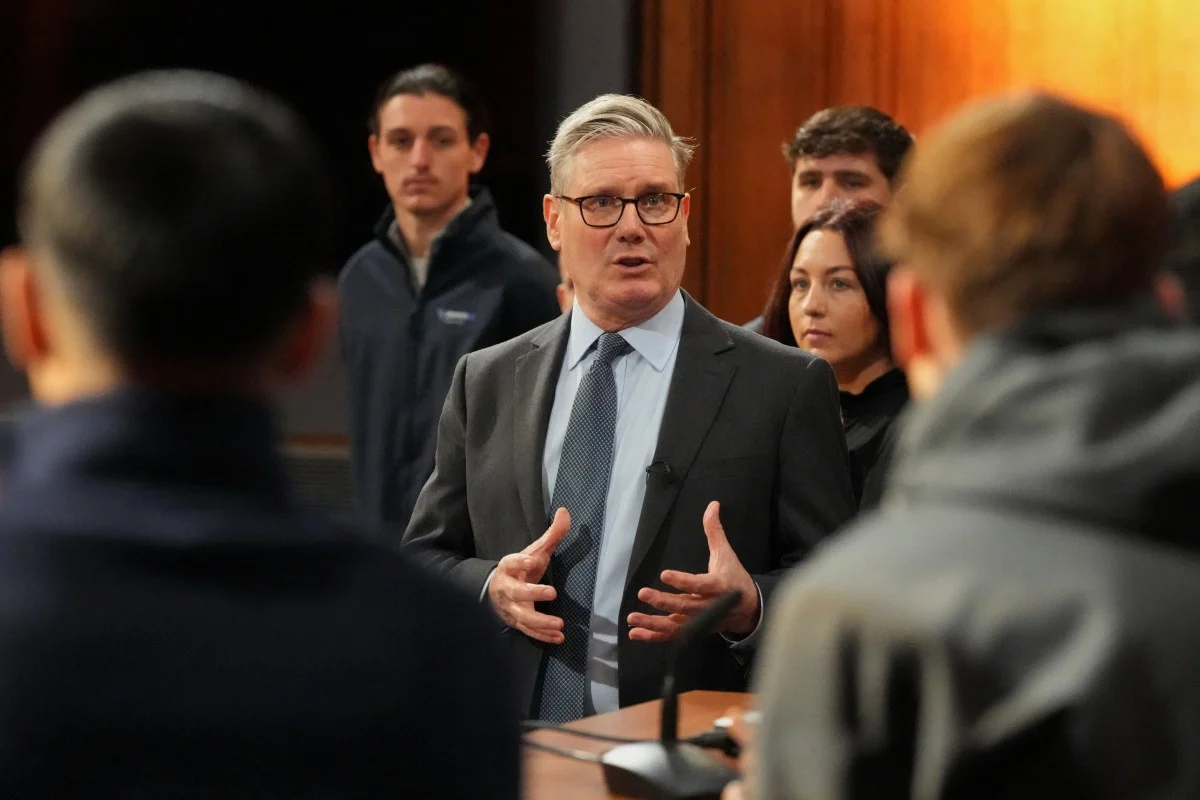
British Prime Minister Keir Starmer has officially joined TikTok, choosing to launch an account on the very platform that remains banned from government devices. The decision, announced on Monday, reflects Starmer’s growing focus on connecting with younger voters who increasingly rely on short form videos and social media platforms for news and political engagement. His first post, a light hearted video with his wife at the Downing Street Christmas lights ceremony, was designed to introduce him to TikTok’s vast user base and set a friendly tone for future content.
Security concerns and safeguards in place
Starmer’s decision immediately drew attention due to the long standing restrictions on TikTok within the UK government. The app was banned from official devices earlier this year following concerns about data security and the app’s links to China. When asked about the apparent contradiction, a spokesperson for the Prime Minister’s office explained that strict “security mitigations” had been established to ensure the account could be operated safely.
These precautions were not detailed publicly, but the spokesperson emphasized that none of the concerns leading to the original ban were being ignored. Instead, Starmer’s team found a way to maintain security protocols while still giving the Prime Minister a presence on a platform where millions of young people spend time daily.
Balancing political messaging with digital outreach
In his first TikTok appearance, Starmer kept the message simple and personal. Smiling alongside his wife, he encouraged viewers to follow him on the platform. The approach was clearly crafted to make him appear relatable and accessible, echoing strategies used by political leaders in other countries who have embraced social media to broaden their reach.
Analysts say the move reflects a shift in political communication. Social media has become an essential tool for shaping public perception, especially among voters who may feel disconnected from traditional media or parliamentary debates. By joining TikTok, Starmer positions himself as a leader willing to engage in the digital spaces where younger demographics gather.
A broader trend among global leaders
Starmer is not the first world leader to navigate the tensions between security concerns and digital outreach. Politicians across Europe, Asia and the Americas have increasingly adopted TikTok despite national debates about data safety. Many analysts believe the platform’s reach is simply too large to ignore, especially for leaders trying to build momentum among youth and first time voters.
In the UK, Starmer’s choice may also be seen as a strategic response to shifting media habits. Younger Britons are consuming less traditional news and more short form content, often delivered through influencers, comedians and political commentators who have built large followings on TikTok. By establishing his own presence, Starmer’s team hopes to influence these digital conversations directly rather than relying solely on intermediaries.
What the move signals for future political communication
Starmer’s TikTok launch suggests the Prime Minister is preparing for a new era of digital campaigning. With elections ahead and public trust in political institutions under strain, direct communication through social platforms allows leaders to shape their image more freely. Supporters argue that this makes politics more accessible, while critics warn that TikTok’s rapid, entertainment driven environment risks oversimplifying important issues.
Whether the strategy proves effective will depend on how active and authentic the account becomes. If Starmer uses TikTok to offer behind the scenes glimpses, explain policies in plain language or engage with trending topics, he could build a strong following. If the account remains limited to scripted moments, it may struggle to resonate with the platform’s fast moving culture.
For now, the launch has sparked conversation across the UK, highlighting the ongoing tension between digital engagement and national security. Starmer’s team appears confident that their safeguards are sufficient, and that the benefits of reaching millions of younger voters outweigh the risks. As politics continues to merge with social media, the Prime Minister’s move marks another step in the evolution of modern political communication.

