
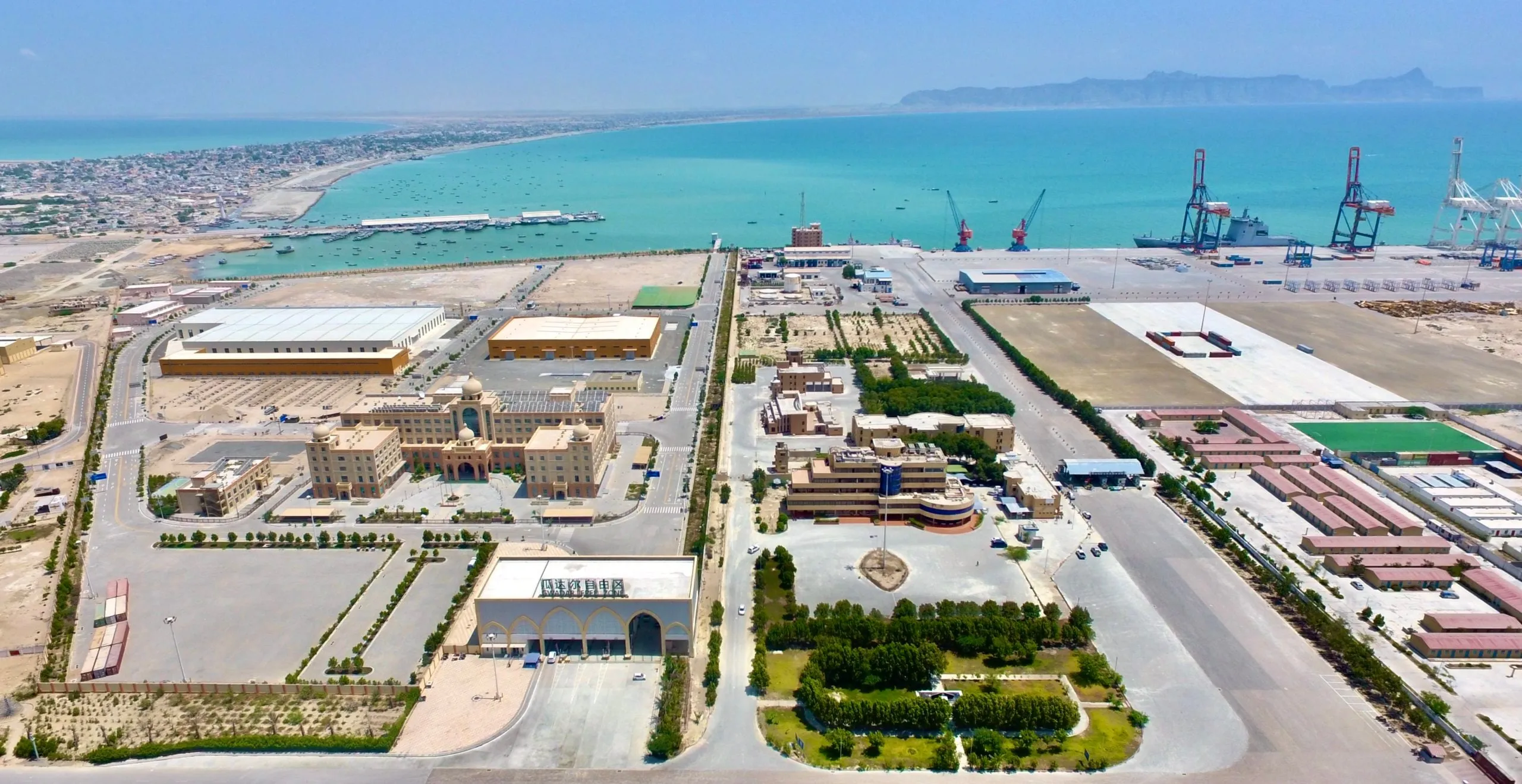
Gwadar has long been described as the crown jewel of the China Pakistan Economic Corridor, a deep water port imagined as a gateway for regional trade and a strategic link between South Asia, the Middle East, and western China. Yet nearly twenty years after its operations began, the port’s performance has remained far below expectations. Despite major investments, international publicity, and repeated commitments from both governments, Gwadar has struggled to transform into the bustling commercial hub once promised.
Several factors help explain the slow progress. The most significant challenge is the lack of supporting infrastructure. A port cannot flourish on its own. It requires efficient road and rail networks, industrial zones, storage facilities, and consistent utilities to attract long term commercial activity. While some infrastructure has been built, much of it remains incomplete or underdeveloped. Businesses often cite limited connectivity to the rest of Pakistan as a reason for hesitating to shift operations to the port, creating a cycle in which low commercial demand slows further development.
Local economic conditions present another hurdle. Gwadar’s surrounding region remains underdeveloped, with limited employment opportunities and basic services still in short supply. For a port town to thrive, it needs a stable and growing local economy that can support trade activity, attract workers, and create a reliable environment for investors. Residents have frequently expressed frustration over slow progress in delivering water, electricity, and job opportunities. This gap between large scale investments and everyday community needs has fueled disappointment and reduced the port’s appeal to potential partners.
Security concerns have also played a role in shaping investor confidence. Parts of Balochistan have experienced instability for years, and this environment has made some companies cautious about operating in the area. Even when projects move ahead, security requirements can increase costs and complicate logistics, adding another layer of difficulty for commercial expansion.
Additionally, global trade patterns and economic realities have shifted since the port was first envisioned. Competition from established regional ports, such as Dubai and Oman, adds pressure. Shipping companies prefer reliability, efficiency, and predictable demand, and Gwadar is still working to build that track record. Moving large cargo volumes requires consistent traffic, and without a strong industrial base or major commercial partners, the port struggles to generate the momentum needed to compete.
Policy coordination between China and Pakistan has also faced challenges. Large infrastructure projects require long term planning, transparent regulation, and clear incentives for private investors. Delays, administrative hurdles, and shifting priorities have made it difficult to maintain steady progress. While both governments continue to express commitment to Gwadar’s growth, turning those commitments into tangible results has proven complex.
Despite these setbacks, many observers still view Gwadar as a long term project rather than a short term failure. With improved infrastructure, stronger local development, and more predictable investment conditions, the port could yet move closer to the vision once set out for it. For now, however, Gwadar remains a symbol of ambition still waiting for the right conditions to fully take shape.

