
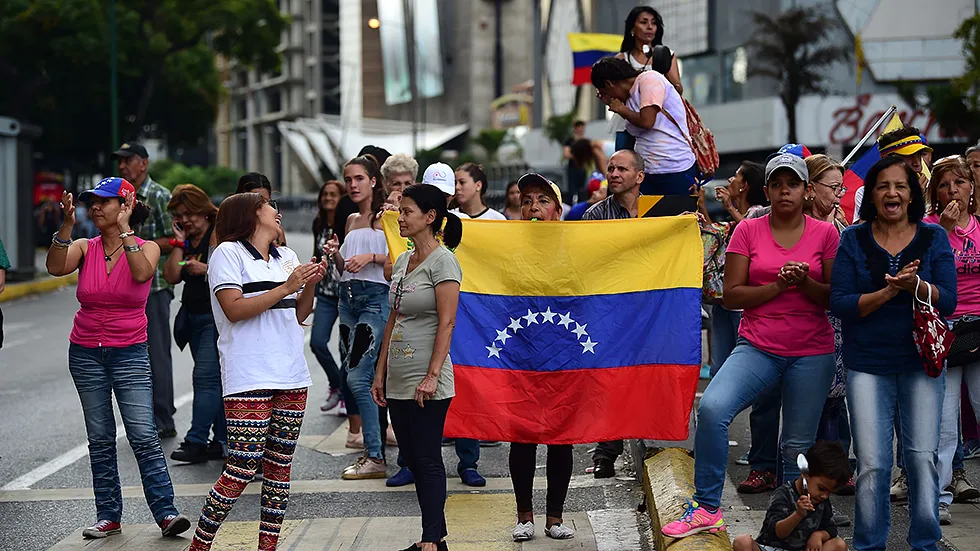
In South Florida, the city of Doral is widely known as a gathering place for Venezuelan exiles. Over the years, it has earned the nickname Little Venezuela because of its large and vibrant diaspora community. Today, that same community is living through a period of heightened uncertainty as tensions between Washington and Caracas increase. Many residents say the atmosphere in the city has shifted, with conversations often turning to what recent U.S. actions could mean for their future.
Doral’s Venezuelan population has grown steadily over the past decade as people fled political turmoil and economic hardship in their home country. Families arrived seeking security, stability, and a chance to rebuild their lives. Businesses selling Venezuelan food, music, and cultural products flourished, helping many feel connected to their heritage even while living far from home. Recently, however, the sense of comfort that once defined the neighborhood has been overshadowed by a wave of anxiety.
The concern stems from Washington’s latest steps to increase military and diplomatic pressure on the government of President Nicolas Maduro. Although these actions take place thousands of miles away, they carry emotional and practical consequences for those who still have family in Venezuela. Many residents say they fear the situation could worsen, putting relatives in greater danger or disrupting travel and communication. Others worry about how rising geopolitical tension may affect immigration policies that shape their lives in the United States.
Community leaders say the mood in Doral reflects the broader fear and frustration felt by Venezuelans across the country. They note that residents are constantly following news updates, contacting loved ones and seeking clarity about what the next few months may bring. For many, the uncertainty deepens the emotional burden of living in exile. Parents describe sleepless nights as they try to explain the situation to their children and reassure them that they are safe. Business owners say customers bring up the subject with a mix of sadness and worry.
Some Venezuelans in Doral express concern that political rhetoric in the United States could shift and affect how the community is perceived. They fear that growing geopolitical strain may create misunderstandings about their identity or intentions. Despite these worries, many emphasize that they are committed to contributing positively to their adopted home. They say they want to support democratic values and hope that diplomatic efforts will eventually lead to stability and peace in Venezuela.
Local organizations are offering resources such as counseling, legal guidance and community forums to help residents process their concerns. These efforts aim to foster unity at a moment when many feel vulnerable. Residents say that while they cannot control events abroad, they can strengthen their support networks at home.
For now, people in Little Venezuela continue to navigate a complicated emotional landscape. They watch developments closely, hoping for a peaceful resolution and wishing for the safety of family members still in Venezuela. Many say they are determined to remain hopeful even as they confront the realities of living between two countries shaped by rising tensions.

