
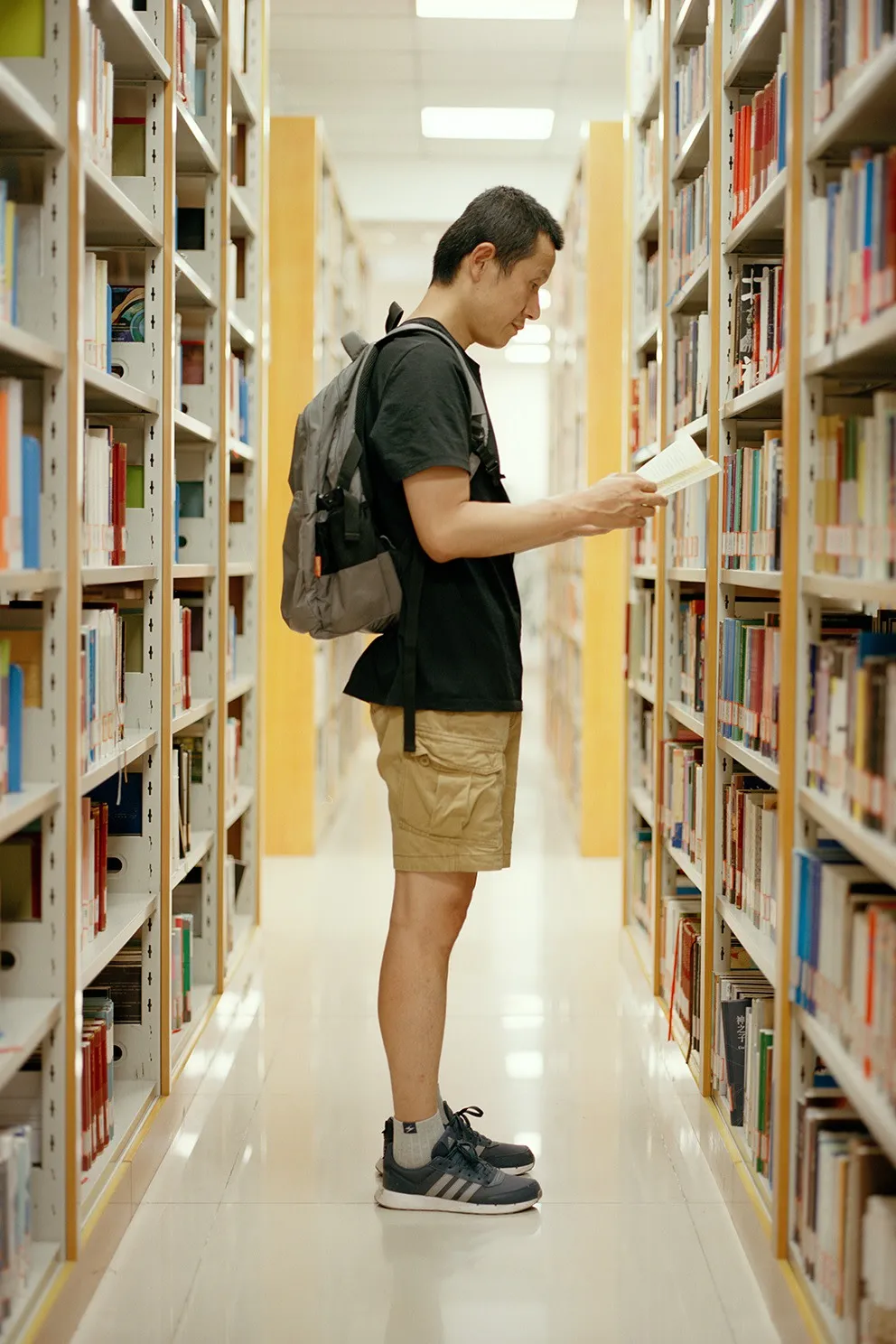
Across China, book bars have emerged as one of the most intriguing reflections of a changing reading culture. These spaces combine the intimacy of a traditional bookstore with the atmosphere of a café or lounge, offering visitors a chance to read, relax and socialize all in one place. For a generation navigating fast paced urban life, book bars provide a rare sense of calm. They represent a modern reinterpretation of reading, transforming it from a solitary activity into a shared cultural experience. This growing trend reveals not only an enthusiasm for literature but also a shift in how young people seek meaning, connection and inspiration.
Creating Sanctuary in Busy Cities
One of the primary reasons book bars have become popular is the feeling of sanctuary they offer. Many young professionals and students face demanding schedules and constant digital stimulation. A book bar, with its warm lighting, soft music and shelves filled with carefully curated titles, invites them to slow down. Visitors often describe these spaces as mental retreats where they can step away from noise and stress. Comfortable seating, artistic décor and thoughtfully designed reading corners make the experience more immersive. The physical environment itself encourages people to linger, to reflect and to reconnect with the pleasure of engaging deeply with the written word.
Where Reading Becomes a Social Experience
While traditional libraries emphasize quiet study, book bars create opportunities for conversation and community. Many host reading groups, writing workshops, poetry nights or discussions with local authors. These events transform reading into a shared journey, where ideas are exchanged and friendships are formed. Even casual visitors often find themselves chatting with others about favorite books or discovering new genres through staff recommendations. This social dimension helps explain why book bars resonate strongly with younger generations. They offer a space where intellectual curiosity meets social connection, breaking the stereotype that reading is a solitary or introverted hobby.
A Blend of Local Culture and Modern Design
Book bars across China showcase remarkable creativity in shaping their identities. Some highlight local literature and regional history, while others feature international titles or focus on specific themes such as art, philosophy or travel. Interior design plays a crucial role, with many book bars incorporating elements of Chinese aesthetics, including wooden furniture, ink inspired murals or traditional architectural motifs. These touches give each space a sense of character and cultural grounding. The combination of modern and traditional design elements allows visitors to experience reading in a visually rich environment that reflects both heritage and contemporary sensibilities.
The Rise of Book Bars as Cultural Landmarks
As book bars multiply across cities and towns, they are increasingly becoming cultural landmarks. They attract not only avid readers but also tourists who want to experience a city’s creative pulse. Some book bars operate as hybrid spaces that include artisan goods, specialty coffee or small galleries. Others collaborate with local artists, host exhibitions or provide space for student projects. These initiatives broaden the role of book bars beyond reading, making them centers of artistic and cultural engagement. In this way, they contribute to a growing movement that values intellectual life as an essential part of community identity.
The rise of book bars in China reveals a deeper transformation in how people relate to literature and shared spaces. They reflect a desire for environments that nurture thoughtfulness, creativity and personal growth. By blending reading with social interaction and cultural exploration, book bars have become symbols of a new reading culture shaped by younger generations. As they continue to evolve, these spaces show that the love of books remains strong, but the ways people experience that love are becoming more diverse, immersive and meaningful.

