
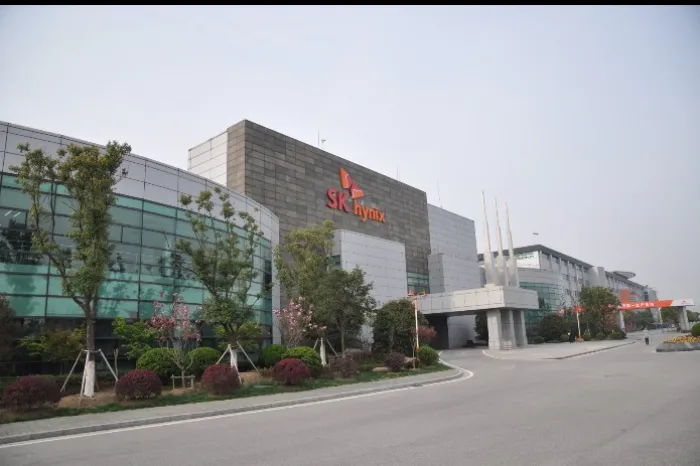
A Temporary Green Light for Chipmakers
The United States has approved annual licenses allowing South Korean semiconductor firms Samsung Electronics and SK Hynix to continue importing chip manufacturing equipment into their facilities in China through 2026. The decision, reported by Reuters and confirmed by sources familiar with the matter, offers temporary relief for the companies as Washington tightens its broader controls on advanced technology exports to China.
Rather than restoring earlier exemptions, the move introduces a more restrictive framework. The approval is granted on a yearly basis, signaling that continued access to U.S. made chip tools will depend on ongoing regulatory review rather than standing waivers.
Shift From Waivers to Annual Licensing
Earlier exemptions had allowed certain foreign chipmakers to operate their China based factories with fewer regulatory hurdles. That approach is now being phased out. According to sources, the U.S. has replaced license waivers with an annual approval system, increasing oversight over the flow of sensitive equipment into China.
This shift reflects Washington’s effort to balance competing priorities. On one hand, it aims to protect national security and limit China’s access to advanced semiconductor technology. On the other, it seeks to avoid severe disruption to global supply chains that rely on multinational production networks.
The End of Validated End User Status
A key change looming at the end of 2025 is the expiration of validated end user status. This designation previously allowed companies such as Samsung, SK Hynix, and TSMC to receive U.S. chipmaking tools for their China operations without applying for individual export licenses.
Once the status expires on December 31, shipments of American semiconductor equipment to their China based factories will require specific U.S. export licenses. The new annual approvals for 2026 appear designed to bridge this transition while preserving tighter control.
Why the Decision Matters
Samsung and SK Hynix operate major memory chip facilities in China that are integral to global supply. Sudden restrictions could have disrupted production of DRAM and NAND chips, with ripple effects across electronics, automotive manufacturing, and data centers.
By granting conditional approval, the U.S. reduces the risk of immediate supply shocks while reinforcing a framework of compliance and monitoring. The decision underscores how semiconductor policy is increasingly shaped by incremental adjustments rather than sweeping bans.
Corporate and Government Responses
Both Samsung and SK Hynix declined to comment publicly on the approval, while TSMC did not immediately respond to inquiries. The U.S. Department of Commerce was also unavailable for comment outside business hours. The lack of public statements reflects the sensitivity surrounding export controls and compliance obligations.
For companies, uncertainty remains a defining feature. Annual licensing introduces planning challenges, as long term investment decisions must account for regulatory risk and potential policy shifts.
Broader Implications for the Chip Industry
The move illustrates how geopolitics is reshaping the semiconductor industry. Multinational firms now operate in an environment where access to tools, markets, and manufacturing locations is increasingly contingent on political decisions.
Annual approvals could become a model for managing strategic technologies, allowing governments to exert control without fully severing commercial ties. However, this approach also increases complexity and administrative burden for firms operating across borders.
A Fragile Balance Going Forward
The U.S. decision offers Samsung and SK Hynix short term certainty but long term ambiguity. It reinforces a trend toward conditional engagement rather than blanket permission. For China based semiconductor operations, the message is clear that continued access to critical equipment will depend on evolving policy calculations.
As export controls continue to evolve, the global chip industry faces a period of adjustment. The balance between security concerns and supply chain stability remains delicate, and decisions like this highlight how temporary solutions are increasingly used to manage systemic tension.

