
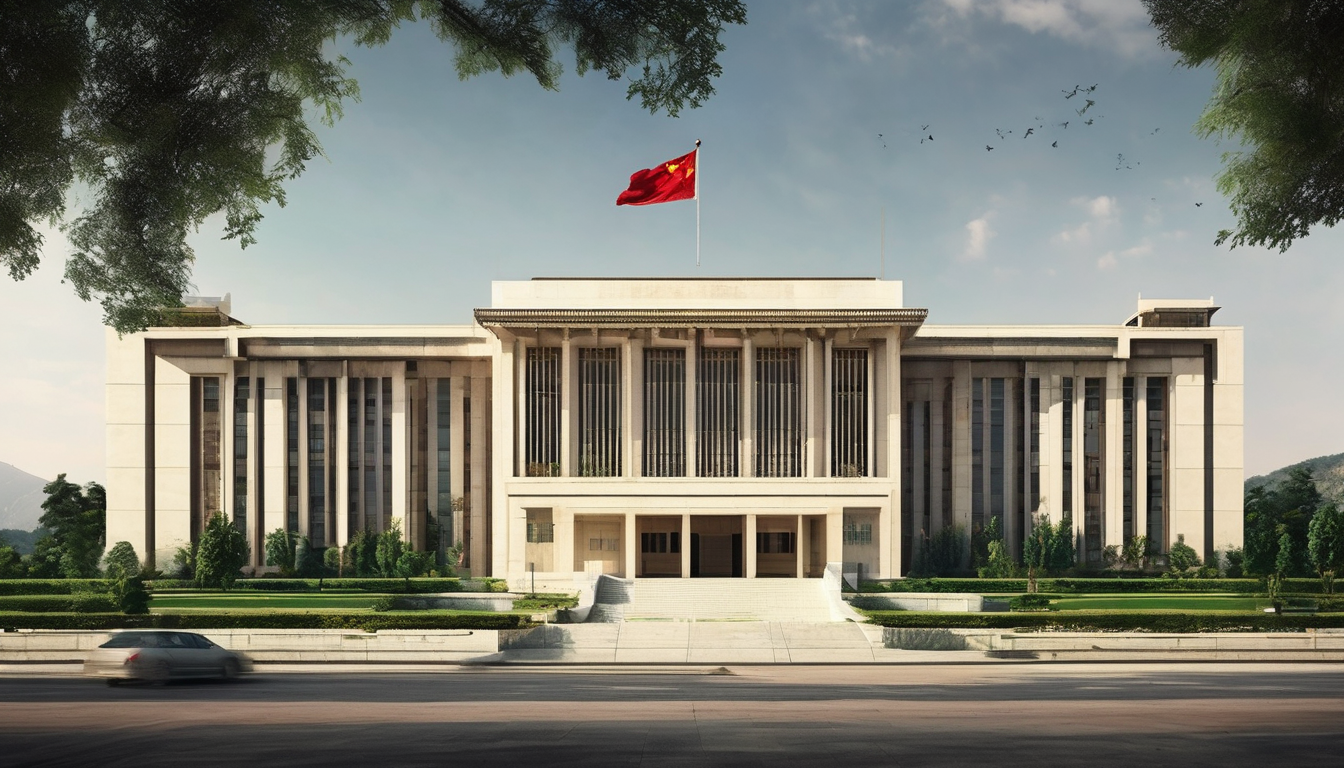
Xi’s Vision for Sino-Pakistani Collaboration
President Xi’s message to Islamabad framed Pak-China relations as a working partnership, measured by delivery rather than slogans, and officials on both sides have treated it as a directive for tighter coordination across diplomacy, security and development. Today, the emphasis is on building an “even closer” community with a shared future through clearer timelines, more disciplined implementation and steadier political signaling that reduces room for misreading in capitals watching the corridor. In Live diplomatic exchanges, Chinese and Pakistani envoys have highlighted continuity in high level contacts, and the expectation that ministries keep momentum through the next cycle of joint commission meetings. This approach puts reciprocity at the center, with Beijing stressing reliability in commitments while Islamabad underscores respect, sovereignty and a long standing strategic understanding.
Focus Areas for a Shared Future
Officials have pointed to practical focus areas where BRI and CPEC execution can be tightened, including energy reliability, logistics efficiency and risk management around key worksites. In that context, a separate regional security debate is also shaping how the partnership is presented in public, as seen in China’s broader calls for restraint in surrounding conflicts, referenced in China’s call for an immediate ceasefire amid escalating tensions, because spillover risks affect corridor planning and investor sentiment. Update statements from Islamabad’s economic team have stressed that project sequencing must match Pakistan’s fiscal reality, while Chinese counterparts have signaled support for steady, verified progress. Live briefings have also underlined that Sino-Pakistani diplomacy is expected to stay synchronized in multilateral forums where development financing and counterterror narratives intersect. Today, the messaging aims to keep cooperation insulated from sudden political noise.
Impact on Regional Alliances and Security
The security dimension is being handled with sharper language about protecting personnel, assets and transport nodes, and that tone matters because Pak-China relations increasingly sit inside wider regional alignments that include Gulf stability, Afghanistan’s trajectory and maritime chokepoints. Pakistan’s security leadership has reiterated commitments to harden protection frameworks and accelerate prosecutions tied to attacks on foreign nationals, while Chinese officials have kept the focus on prevention, intelligence sharing and accountability. Update coordination is also visible in diplomatic tracks, including discussions that connect Pakistan’s regional outreach with Beijing’s crisis diplomacy, as covered in reporting on China and Pakistan aligning Iran talks. The line both capitals are selling is that security cooperation is a stabilizer, not a bloc politics tool, and that it supports the safe continuation of joint development work.
Economic Benefits and Trade Expansion
Economically, the signal from Beijing is to link corridor progress with broader trade normalization, market access and a push for predictable regulatory conditions that give Chinese firms confidence to scale in Pakistan. Rather than re announce old targets, the discussion has moved toward fixing bottlenecks that slow shipments, raise insurance costs and complicate settlement. Pakistan’s commerce planners have highlighted export oriented industrial activity as the next test, while Chinese officials have stressed that trade should be more balanced and resilient to external shocks. That framing aligns with ongoing Chinese reform messaging about opening and stable demand, echoed in coverage of China signaling balanced trade as reforms deepen. Live business engagement has focused on payment mechanisms, supply chain security and port to hinterland connectivity, with both sides insisting that credibility comes from completed upgrades and visible commercial throughput.
Cultural and Technological Cooperation
Beyond hard infrastructure, the relationship is being widened through cultural exchange and technology collaboration designed to produce measurable outcomes in skills, research and public services. Universities and training bodies are being urged to align curricula with corridor linked sectors, while media and cultural institutions are expected to keep people to people narratives grounded in real joint work rather than ceremony. Technology cooperation is also being framed as a competitiveness issue, from telecom standards to logistics digitization and industrial quality control, with safeguards and governance becoming part of the conversation. Update messaging from both capitals has emphasized that sustained cooperation depends on public trust, including transparency around benefits and clear communication during disruptions. Today, the leadership line is that a shared future is built through daily contact, and Live cooperation between professionals, students and technicians who turn agreements into routine practice.

