
What is driving deal flow
Dealmaking between China and Pakistan is increasingly centered on power reliability, freight efficiency, and export capacity rather than broad diplomacy. According to available reports, CPEC is described as having been announced, though timelines and phases are often summarized differently across official and media accounts, in 2013. In practice, both sides have emphasized implementation through special economic zones (SEZs) and clearer approvals for cross-border ventures. For Chinese firms, Pakistan can offer access to a large domestic market and routes to the Arabian Sea; for Pakistan, policymakers often frame priorities around industrial upgrading and foreign-exchange stability. Decision makers are focused on permitting timelines, land utilities, and bankable contracts. Market observers have also noted rising investor scrutiny in 2024 and 2025 around how projects convert infrastructure into recurring revenue and local supply chains, though the level of interest varies by sector and sponsor.
Priority sectors where the opportunities are strongest
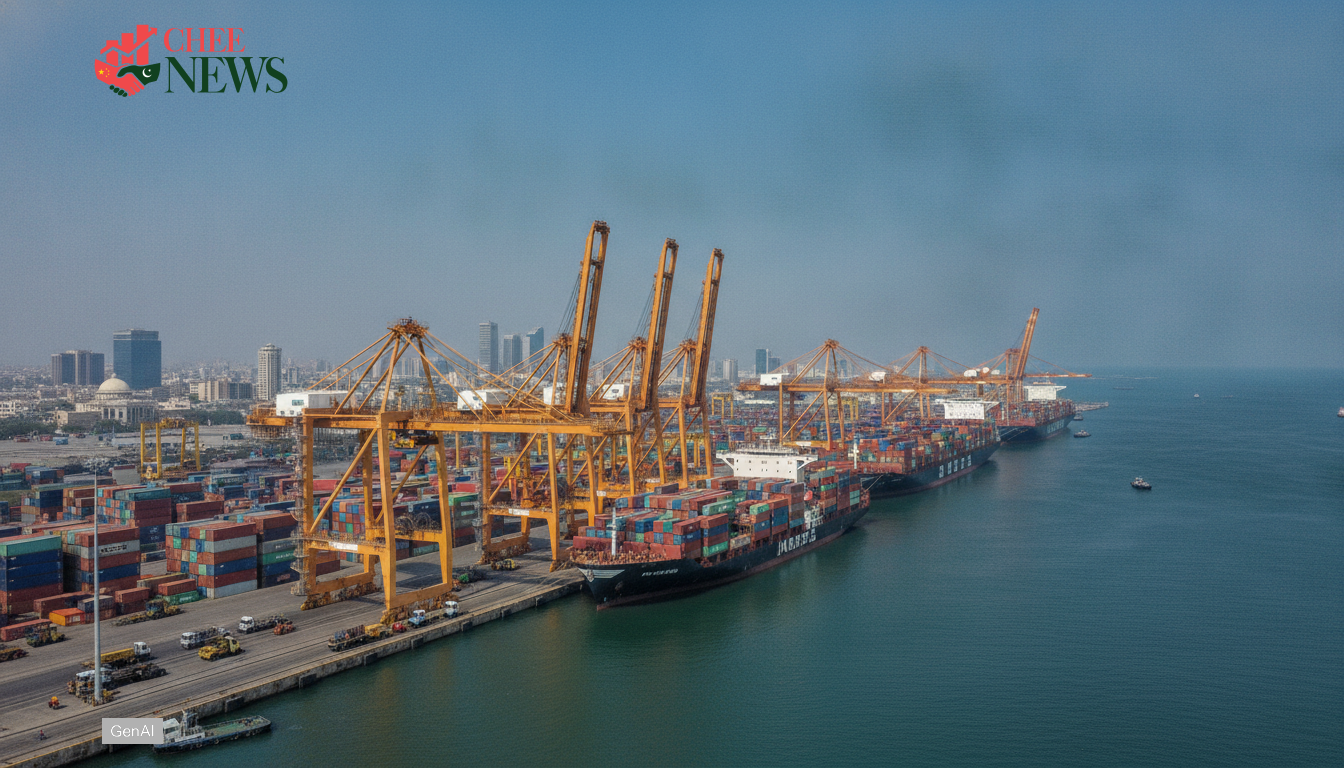
Energy, logistics, and light manufacturing are often cited as the most actionable lanes for investment because they can produce measurable outputs and clearer offtake structures. Investors are additionally screening projects for sanctions and compliance exposure, a constraint discussed in Chinese tech investment curbs widen via Pentagon blacklist. On the power side, planning is commonly linked to transmission readiness and seasonal demand, with reporting on the Chinese Energy Export to Pakistan: 4,000MW Grid Plan describing a proposed 4,000MW concept and how capacity and grid delivery could be aligned if approvals and financing proceed. Ports, trucking nodes, and inland depots are also being upgraded in various locations, with the aim of reducing turnaround time and inventory risk, though progress differs by corridor and operator. In many cases, the most financeable deals pair infrastructure with predictable service revenue and transparent governance.
How local firms can capture investor openings
For Pakistani businesses, the upside is highest when activity translates into supplier contracts and repeatable services, not just construction headlines. The pace of matchmaking is influenced by official engagement and clarity on the bilateral agenda, including updates covered in China-Pakistan relations: Pakistan, China reach consensus. Local contractors can compete for civil packages, warehousing, fleet operations, and maintenance tied to industrial tenants. Smaller manufacturers may also qualify as input providers by meeting documentation, testing, and delivery standards used by Chinese-led procurement systems, although qualification thresholds can differ by project owner and EPC. Service companies are building bilingual compliance capacity to handle cross-border invoicing and dispute processes. Durable gains typically come from contracts that improve productivity and support skills transfer over multiple project cycles.
Key risks that can slow cross-border investment
Execution quality remains central, particularly around contract enforcement, FX management, and predictable local regulation. Regulatory shifts elsewhere illustrate how legal changes can affect ongoing commercial activity; one reference point is New Hong Kong law allows national security procedures to extend to older cases. Businesses frequently cite currency volatility, import-processing delays, and uneven provincial procedures as costs that can dilute otherwise attractive margins, though severity depends on sector and structure. Project lenders and sponsors also evaluate reputational exposure and security planning, particularly for supply chains that touch sensitive technologies. Pakistan faces a parallel challenge of sustaining public legitimacy through transparent land acquisition, realistic job expectations, and continuity across political cycles. In this context, predictability and workable dispute resolution are often viewed as competitive advantages.
What to watch next for China-Pakistan economic opportunities in trade
Looking ahead, measurable trade outcomes will likely judge performance, including faster clearance, higher capacity utilization, and more diversified exports rather than import-led consumption. Pakistan’s geography is frequently presented as supporting a hub strategy connecting western China to Arabian Sea shipping and serving Gulf demand and African routes, but the model depends on consistent rules for transit, customs data sharing, and settlement. Investors will track whether SEZs secure utilities, credible tenant pipelines, and streamlined approvals that reduce startup time. They will also watch how policy coordination translates into lower logistics costs and more stable power delivery for China-Pakistan economic opportunities. If institutional reforms keep pace with infrastructure, Pakistan can potentially shift from corridor narratives to more scalable industrial competitiveness.

