
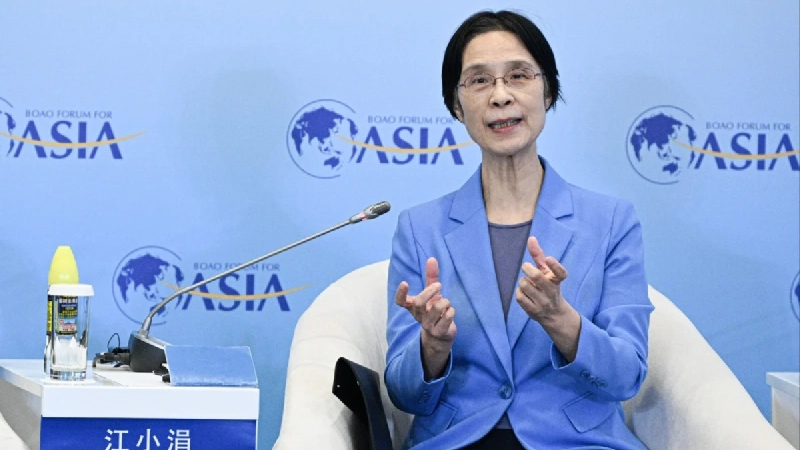
Chinese policymakers and advisers are increasingly calling for clear regulatory boundaries in the development and application of artificial intelligence, as concerns grow over job displacement and data security risks. The discussion gained momentum during the Boao Forum for Asia, where experts highlighted the need for structured oversight to ensure that AI adoption does not create unintended economic and social disruptions. The proposal for government defined red lines reflects a cautious approach, aiming to balance innovation with stability in one of the world’s fastest growing technology sectors.
Jiang Xiaojuan, a senior policy adviser and former government official, emphasized that not all uses of artificial intelligence deliver meaningful value. She warned that applications focused solely on replacing human labor without improving service quality or contributing to sustainability should be carefully examined. Her remarks highlight a broader concern that rapid automation could lead to widespread job losses if not managed responsibly. The discussion underscores the need to prioritize innovation that enhances productivity rather than simply reducing workforce costs.
The debate also reflects rising concerns over data protection and the broader implications of AI deployment across industries. As artificial intelligence systems become more integrated into business operations and public services, the risk of data misuse and security breaches is increasing. Policymakers are therefore pushing for stronger safeguards to ensure that AI technologies are developed and deployed in a way that protects sensitive information and maintains public trust in digital systems.
China’s approach to AI regulation is evolving as the country seeks to remain competitive while addressing emerging risks. The idea of setting clear boundaries is intended to guide companies and developers toward responsible innovation. By establishing limits on certain types of applications, authorities aim to encourage the development of technologies that contribute positively to economic growth, environmental sustainability and social welfare. This reflects a broader strategy of aligning technological advancement with national priorities.
The calls for regulatory clarity come at a time when global competition in artificial intelligence is intensifying. Countries around the world are exploring ways to harness AI for economic advantage while managing associated risks. China’s focus on defining acceptable use cases signals a proactive effort to shape the future of AI development. As discussions continue, the establishment of clear guidelines could play a key role in determining how artificial intelligence is integrated into society and the economy.

