
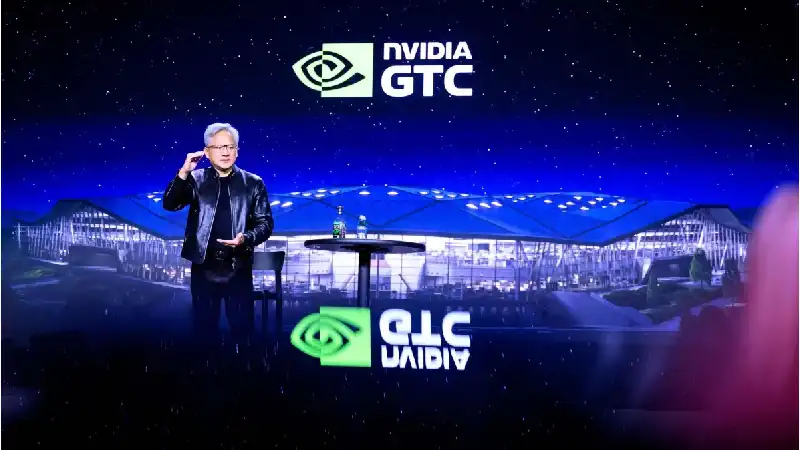
The concept of tokenomics is rapidly gaining attention as artificial intelligence reshapes the global digital economy, with China positioning itself to gain a strategic advantage in this emerging landscape. Tokens, which represent units of AI generated output such as text, images, or code, are increasingly being viewed as a new form of digital commodity. Industry leaders have highlighted that the future of AI may revolve around producing and trading these tokens at scale, creating a new economic model where computing power, data, and algorithms combine to generate measurable digital value.
At the center of this shift is the idea that AI systems function like production facilities, converting energy and computing resources into usable outputs. Each interaction with an AI model generates tokens, which can be quantified, priced, and traded across platforms. This framework has led to the rise of what some describe as AI factories, where the primary output is not physical goods but digital intelligence. As global demand for AI services grows, the ability to efficiently produce tokens could become a defining factor in economic competitiveness.
China is actively building its position across the entire AI value chain, focusing on energy infrastructure, computing capacity, model development, and application deployment. By strengthening each of these layers, the country aims to scale token production and potentially export AI generated services to global markets. This approach aligns with broader national strategies that emphasize technological self reliance and leadership in advanced industries. With strong government support and a rapidly expanding digital ecosystem, China is working to integrate AI into both domestic and international trade frameworks.
The discussion around token exports reflects a shift in how digital trade is understood. Instead of exporting traditional goods, countries may increasingly trade AI generated outputs that are delivered instantly across borders. For businesses, this means access to scalable intelligence that can power operations, automate processes, and enhance decision making. For governments, it introduces new considerations around regulation, data security, and economic policy. The emergence of token based economies could redefine trade relationships in the same way that industrial production once did.
Industry experts note that China’s advantage lies in its ability to combine large scale infrastructure with coordinated policy support. The country has invested heavily in data centers, semiconductor development, and AI research, creating a foundation for high volume token generation. At the same time, its large domestic market provides a testing ground for AI applications, allowing companies to refine technologies before expanding globally. This integrated approach could enable China to compete effectively with other major players in the AI sector.
The rise of tokenomics also highlights the growing importance of digital resources such as data and computing power. As AI models become more advanced, the cost and efficiency of token production will play a critical role in determining market leadership. Countries that can optimize these factors are likely to gain an edge in delivering AI services at scale. In this context, China’s focus on infrastructure and industrial coordination positions it as a strong contender in the evolving digital economy.
Beyond technology, the development of token based systems has broader implications for global trade and economic strategy. As AI generated outputs become more widely used, they could support cross border commerce, digital services, and new forms of economic exchange. This transformation may also intersect with emerging financial technologies and modern digital payment systems that facilitate seamless transactions across markets.
As the AI era continues to unfold, tokenomics is emerging as a key concept shaping how value is created and distributed. China’s efforts to build capacity across the AI ecosystem suggest a long term strategy aimed at securing a leading role in this new economic model, where digital intelligence becomes a central driver of growth and international competitiveness.

